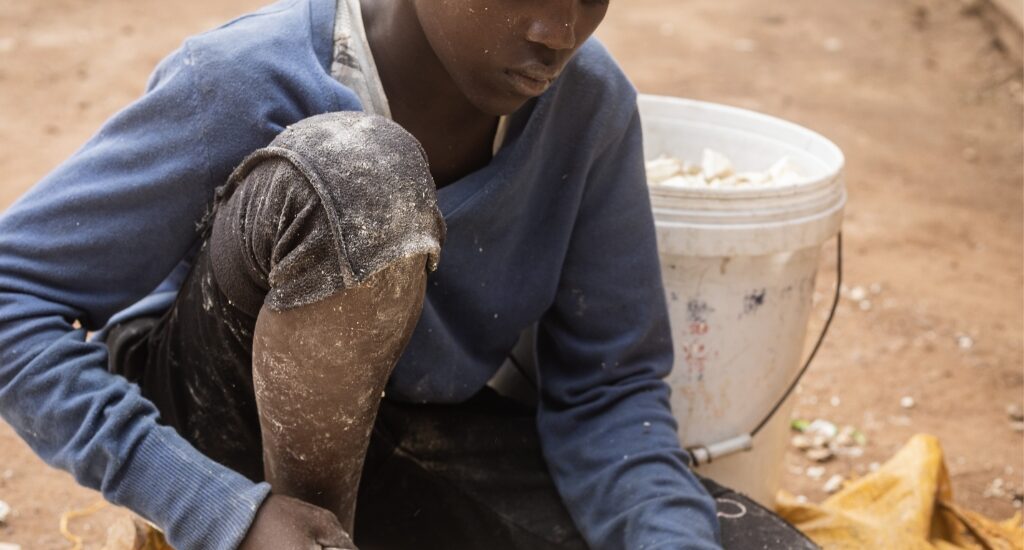
Stolen Childhoods: The Ongoing Fight Against Child Labour in Uganda and Across the Globe
International Day Against Child Labour 2026 | Theme: Red Card to Child Labour: Fair Play for Children, Decent Work for Adults
On 12th June, the world commemorates the International Day Against Child Labour under the theme, “Red Card to Child Labour: Fair Play for Children, Decent Work for Adults.” The day provides an opportunity for governments, civil society organisations, the private sector, the media, and communities to reflect on the millions of children worldwide who continue to spend long hours in harsh and hazardous working conditions, often at the permanent expense of their education, health, safety, and childhood.
Global Overview of an Ongoing Crisis and Its Impact
Child labour remains one of the most persistent violations of children’s rights. According to the latest joint report by the International Labour Organisation (ILO) and UNICEF, released on 12 June 2025, nearly 138 million children were engaged in child labour in 2024, including over 50 million in hazardous work that directly jeopardises their health, safety, and development. While this represents a reduction of over 20 million children since 2020, the world has nonetheless failed to meet its own target of eliminating child labour by 2025, a goal enshrined in the UN Sustainable Development Goals.
ILO-UNICEF 2024 estimates that Sub-Saharan Africa carries the heaviest burden with 87 million children in child labour, nearly two-thirds of the global total, with a child labour prevalence rate of 22%, the highest of any region worldwide. Alarmingly, if current trends hold, the number of children in child labour in Sub-Saharan Africa could surpass 100 million after 2030 due to population growth, even as prevalence rates slowly decline. Agriculture is the dominant sector, with 7 out of every 10 children in child labour in the region engaged in farming.
Uganda, a Nation Confronting a Growing Crisis
Uganda’s statistics are deeply troubling. The 2021 National Labour Force Survey (NLFS) by Uganda Bureau of Statistics (UBOS) reveals that 6.2 million children, representing 40% of all children aged 5 to 17 years, were engaged in child labour, excluding those performing household chores. Disturbingly, this figure represents a dramatic surge from 14% in 2016/17 to 39.5% in 2021, an increase that occurred despite policy interventions and the implementation of national action plans aimed at eliminating child labour.
Boys in the country are slightly more affected than girls, with 50.4% of child labourers being male and 49.6% female. In Uganda, children are engaged across multiple sectors, including agriculture, domestic work, fishing, mining, street vending, and transportation. In hotspot areas such as Karamoja and Busia, a 2024 report by the Work No Child’s Business (WNCB) project found that 51% of children aged 5 to 17 were still engaged in child labour within their households, a modest improvement from 56% in 2019.
The situation was further exacerbated by the COVID-19 pandemic, which disrupted education and increased economic hardship among households. As schools remained closed for extended periods in Uganda, which had one of the longest school closures globally, many children entered the labour force, and some never returned to school.
Understanding the Root Causes of Child Labour
The drivers of child labour are deeply interconnected, meaning they rarely happen in isolation. Instead, they tend to feed into one another in ways that make the situation harder for families and communities to escape.
For many households, the starting point is often poverty, but it doesn’t stop there. When money is scarce, schooling becomes a burden, and children may end up missing class or leaving school altogether to support the family. Once education is disrupted, a child’s future opportunities shrink, which often leads to a cycle of hardship later in life.
At the same time, if adults in the household are struggling to find stable work, the pressure to keep the family afloat increases. In such situations, children may be expected to contribute to the household income in one way or another, even if it means working instead of learning. These challenges are often made worse by wider issues like limited support services and unequal access to opportunities.
Because of this, child labour is not caused by one single issue. It is the result of many pressures working together, which is why addressing it requires looking at the whole picture, not just one part of it.
Poverty remains the leading cause, forcing families to rely on children’s income or labour for survival. Other critical factors include:
Limited access to quality education: In communities where schools are distant, understaffed, or unaffordable, work becomes the default alternative to learning.
Weak enforcement of laws: Despite Uganda’s robust legal framework, including the Constitution, the Children’s Act, and the Employment Act, enforcement of child labor and child protection laws remains inconsistent, particularly in rural and informal settings.
Social norms: Cultural beliefs that normalise child work, especially in agriculture, continue to hinder progress in many communities.
Conflict and displacement: Across East Africa, countries affected by conflict, such as South Sudan and parts of the Democratic Republic of Congo, face heightened risks. Insecurity and economic instability frequently push children into hazardous work and, in the worst cases, into armed groups.
Inadequate social protection: In many cases, weak or inadequate social protection systems mean that vulnerable families do not have any form of safety net to rely on during difficult times. When households experience sudden shocks such as job loss, illness, or rising living costs, there is often no government or community support to help them cope
As a result, families may find themselves with very limited options for survival. In such situations, child labor is not necessarily seen as a choice, but rather as a coping mechanism to meet basic needs like food, shelter, and education costs.
Rights on Paper, Justice in Practice
The United Nations Convention on the Rights of the Child, particularly Article 32, recognises every child’s right to be protected from economic exploitation and from performing work that is likely to be hazardous, interfere with education, or harm their health and development. Uganda has domesticated these commitments through its Constitution, the Children’s Act, the Employment Act, and the National Action Plan for the Elimination of Child Labour (2020/21–2024/25), which set out to eliminate all forms of child labour by 2025, a deadline that has now passed without the goal being achieved.
Across East Africa, progress in addressing child vulnerability has been uneven, although countries such as Kenya, Tanzania, and Rwanda have made notable investments in strengthening child protection systems. These efforts include expanding access to education, improving legal and policy frameworks, and reinforcing the enforcement of labour standards in line with international conventions on child rights and child labour. For instance, Kenya has strengthened its national child protection frameworks and labour inspection systems, while Tanzania has promoted free basic education and aligned its laws with global child protection standards.
Rwanda, in particular, is often highlighted for its strong political commitment to child welfare, demonstrated through universal basic education policies, community-based child protection structures such as Inshuti z’Umuryango, and sustained national efforts to prevent child abuse and exploitation. These initiatives, alongside broader social protection programs, have contributed to improved child well-being and reduced vulnerability. However, despite these advancements, many rural communities across the region continue to face persistent risks of exploitation due to poverty, limited access to services, and weak enforcement, which continue to make child labour a reality in some contexts.
From Awareness to Action: What Must Be Done
As we mark this day, awareness alone is not enough. The solutions are known. What is required is the political will, funding, and coordinated action to implement them at scale. Global funding cuts are threatening to reverse hard-earned gains, making renewed commitment from all actors even more urgent.
Governments must strengthen enforcement of child labour laws, increase investment in quality and accessible education, and expand social protection programmes for vulnerable households. The private sector must ensure that supply chains, including Uganda’s critical coffee and tea sectors, are free from child labour. Civil society organisations must continue supporting prevention, rescue, rehabilitation, and community awareness efforts. Communities and parents also carry the responsibility to protect children and prioritise education over economic exploitation.
One notable initiative is the CLEAR Supply Chains programme, a multi-stakeholder partnership involving UN agencies, national stakeholders, and the private sector, which aims to prevent child labour in Uganda’s coffee supply chain through school reintegration, youth skills development, and livelihood diversification for families.
A Future Worth Fighting For
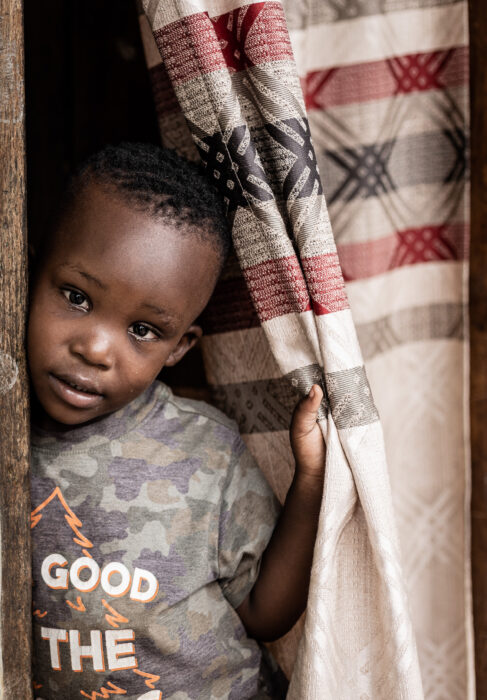
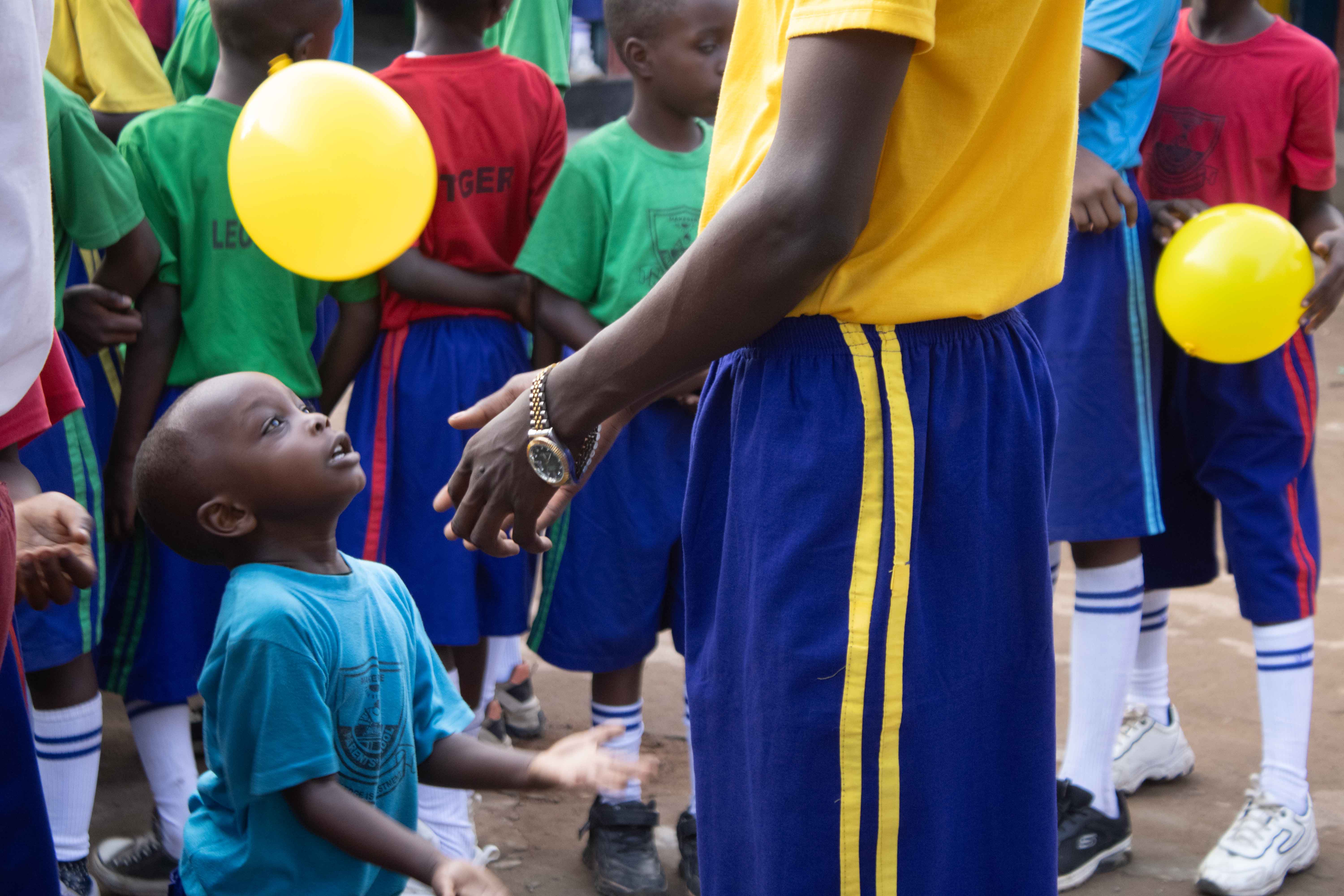
At Joy for Children Uganda, we believe that every child deserves the opportunity to learn, play, grow, and reach their full potential. Children belong in schools, homes, playgrounds, and safe communities, not in hazardous workplaces. With 138 million children still robbed of their childhood globally, and 6.2 million right here in Uganda, the urgency of this moment cannot be overstated.
Let us all show a red card to child labour and commit ourselves to creating a future where every child enjoys their rights and every adult has access to decent and productive work. The fight against child labour is not only about protecting children today, but it is also about securing the future of our nations tomorrow.