International Day of Play: Championing Children’s Right to Learn, Grow, and Play.
International Day of Play: Championing Children’s Right to Learn, Grow, and Play. “1, 2, 3…
International Day of Play: Championing Children’s Right to Learn, Grow, and Play. “1, 2, 3…
Sponsoring Children in Uganda: James’s Story Every child deserves the opportunity to learn, play, and
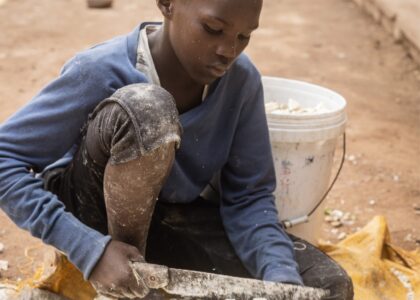
Stolen Childhoods: The Ongoing Fight Against Child Labour in Uganda and Across the Globe International
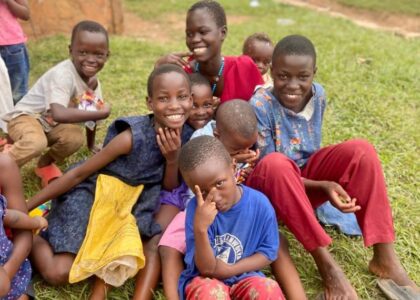
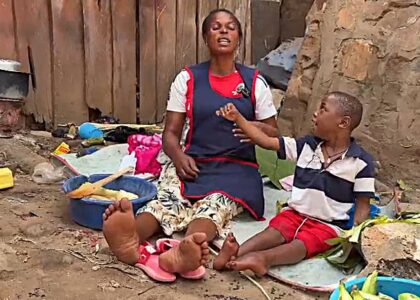
Across Kampala’s informal settlements such as Bukoto and Mulago, many children grow up in environments marked by poverty, poor sanitation, overcrowding, and limited access to healthcare and social support. In these communities, even minor illnesses can quickly become serious due to limited financial resources and inadequate access to medical care.
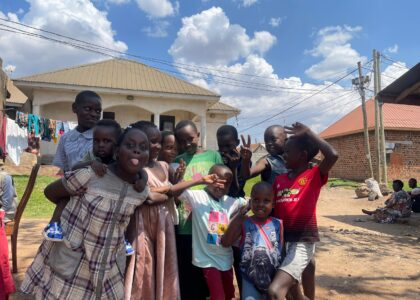
Across Kampala, more than 60 informal settlements, commonly referred to as slums or ghettos, including Bukoto, Bwaise, Kivulu, and Mulago, are home to thousands of vulnerable families. Many residents face persistent poverty, limited access to clean water and sanitation, inadequate healthcare, and unstable livelihoods.
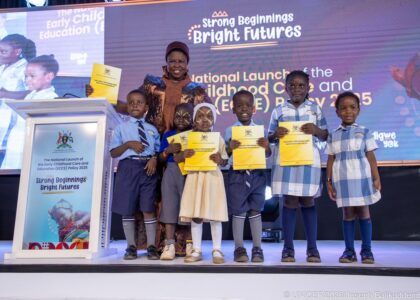
Uganda has made significant progress in expanding access to Universal Primary Education (UPE) and Universal Secondary Education (USE). However, this progress begins too late in a child’s development journey. Early Childhood Care and Education (ECCE), which serves children aged 0–6 years, is largely privatized and inaccessible for many families.
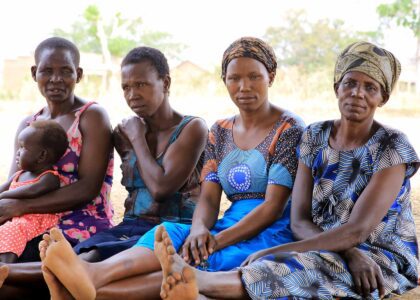
Well, injustice dwells on the streets of Jinja city, in the huts of residents in
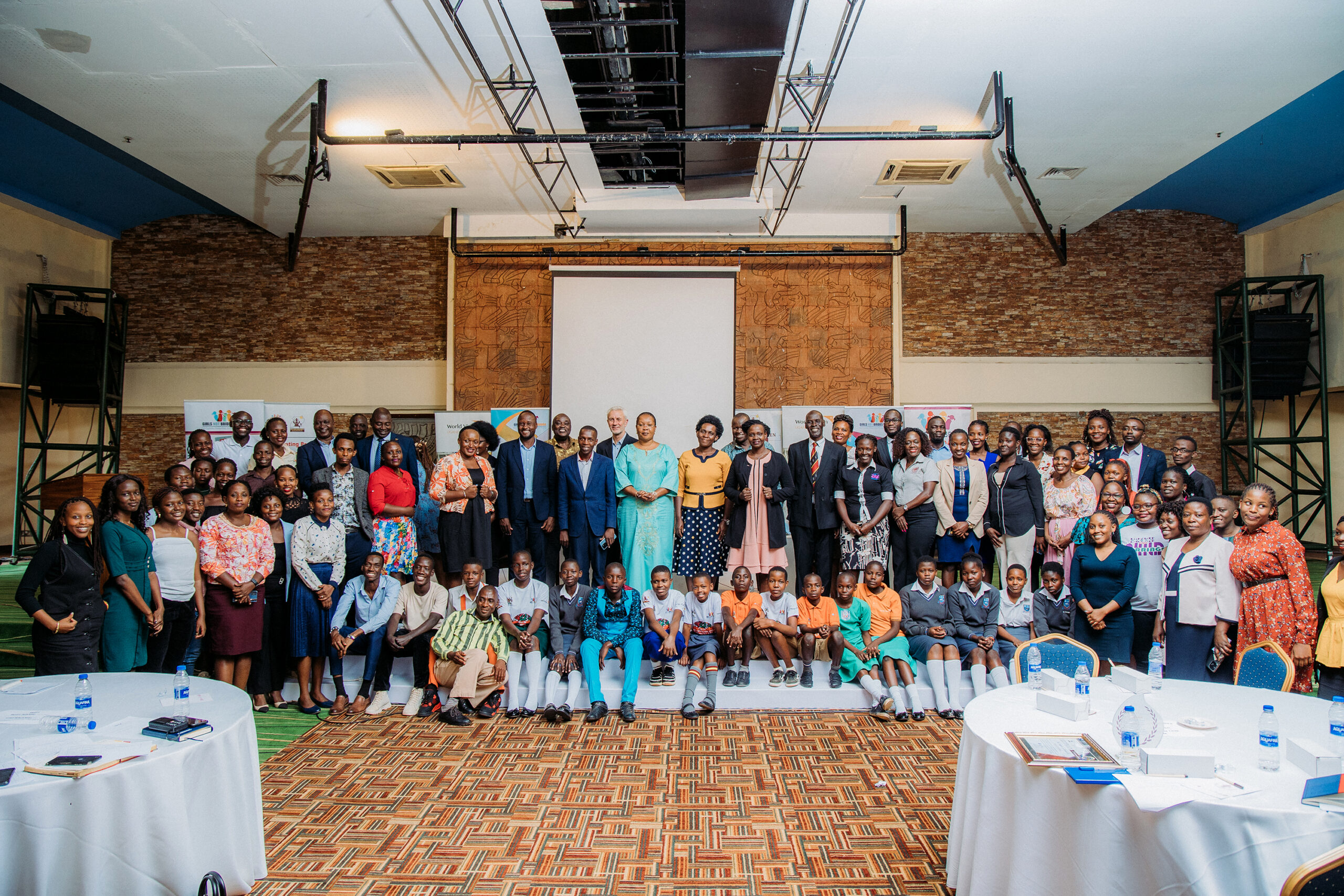
The Day of the African Child (DAC) is commemorated annually on June 16th in honor of children who participated in the Soweto Uprising of 1976. DAC is of significance to African children and calls for serious introspection and commitment towards addressing the numerous challenges facing children across the continent. Governments, NGOs, and other multi-sectoral stakeholders gather to discuss the challenges and opportunities facing the full realization of the rights of children in Africa.
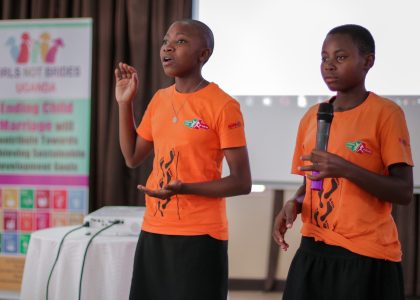
This year we are celebrating DAC under the theme: “Promoting and Protecting Children’s Rights in Schools”
In Uganda, two-thirds of children drop out of school before completing their primary education. 67% of children living in Kampala slums do not attend school.
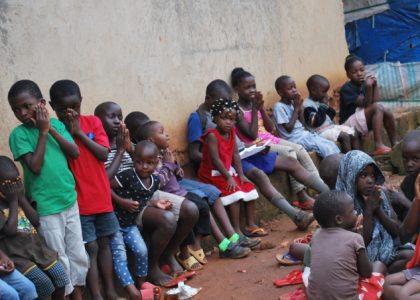
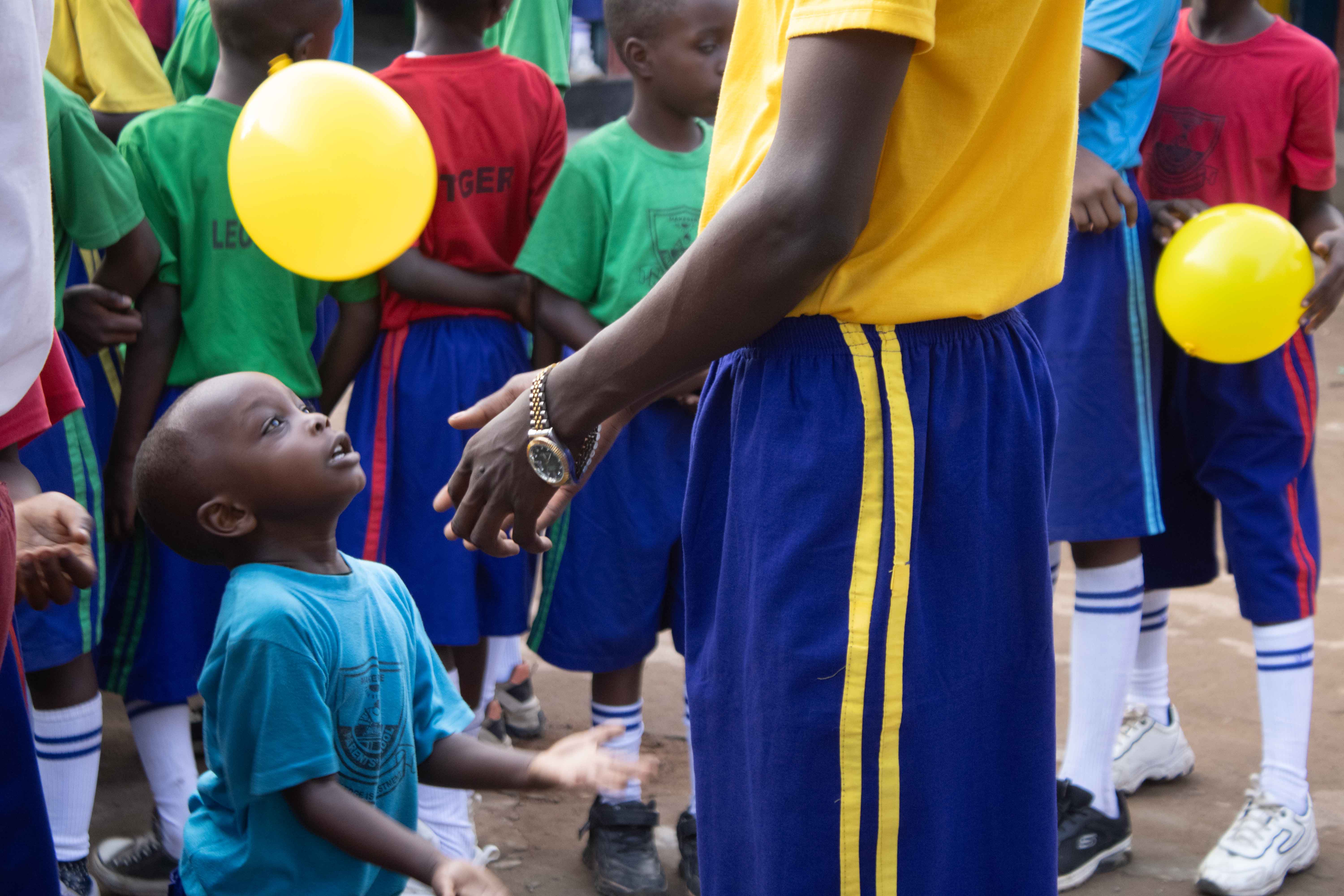
The children’s project engages children in activities that help contribute to improving their education and boosting their Christian life. The project also involves children in games to promote body physical fitness while allowing them their right to play.