Every child safe, heard and able to thrive
Articles

Ideas, evidence and perspectives from the work.

Analysis, programme learning and perspectives from the field.

Explore the latest thinking

Read from the field and the policy table.

165 published articles available. Use search and topic filters to narrow the archive.

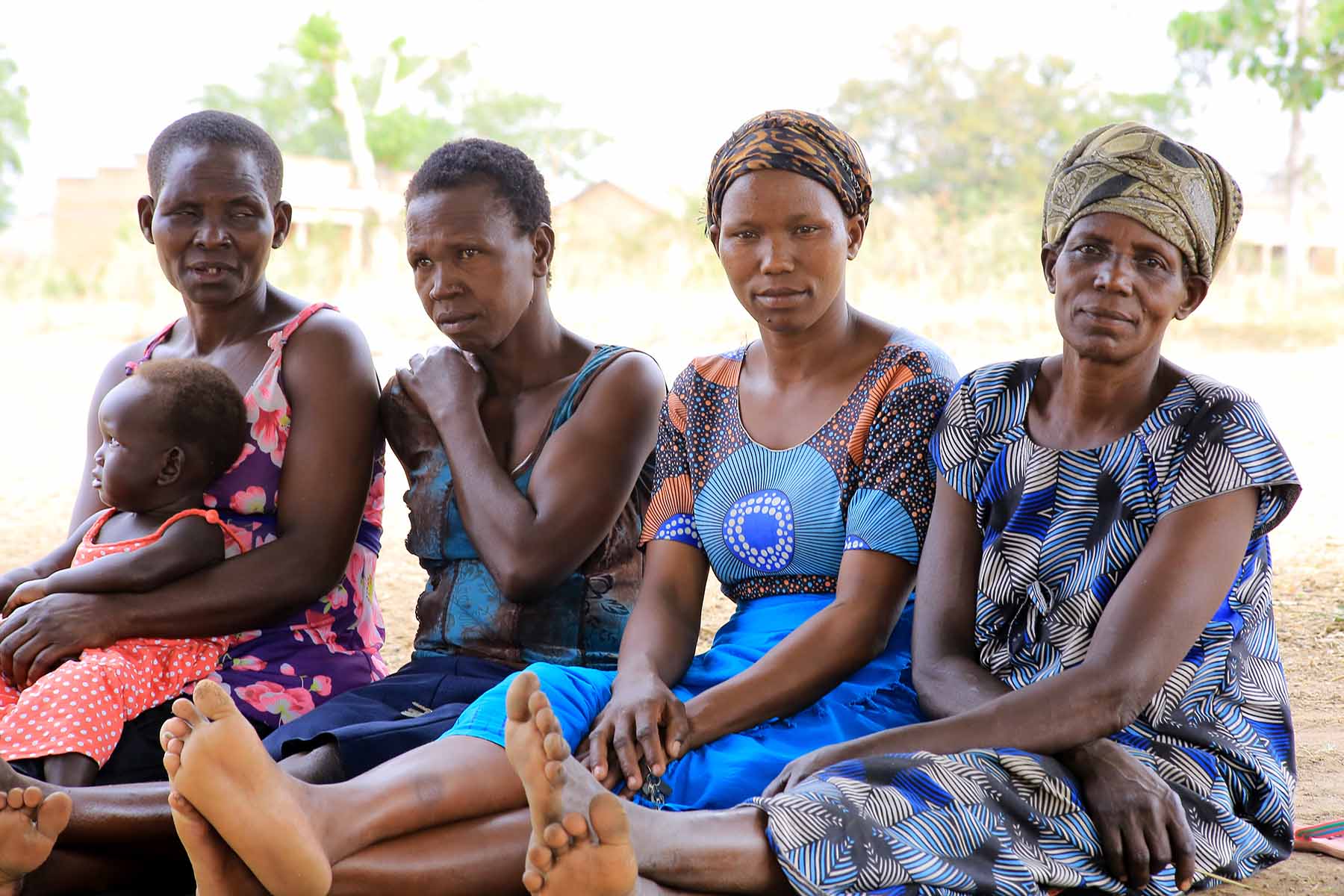
Empowering Women, Strengthening Families: Joy for Children Uganda at the Rotary Kampala South Family Mega Project
Featured article 20 August 2026 · Kampala Slum Women Project

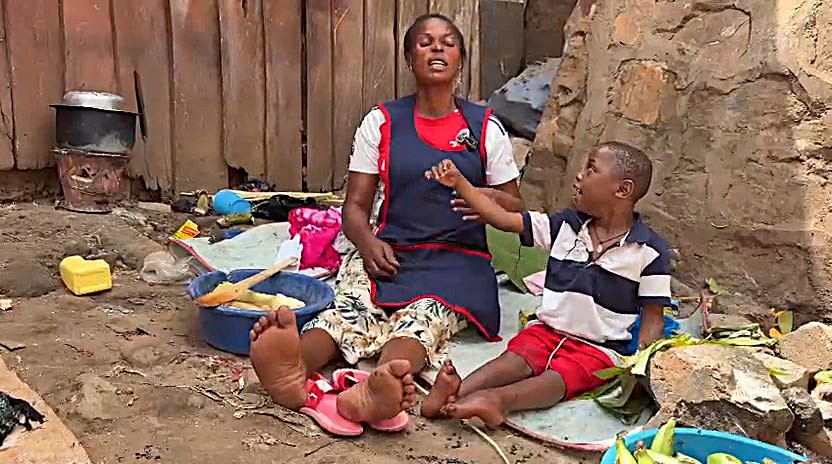
Empowering Women, Strengthening Families: Joy for Children Uganda at the Rotary Kampala South Family Mega Project

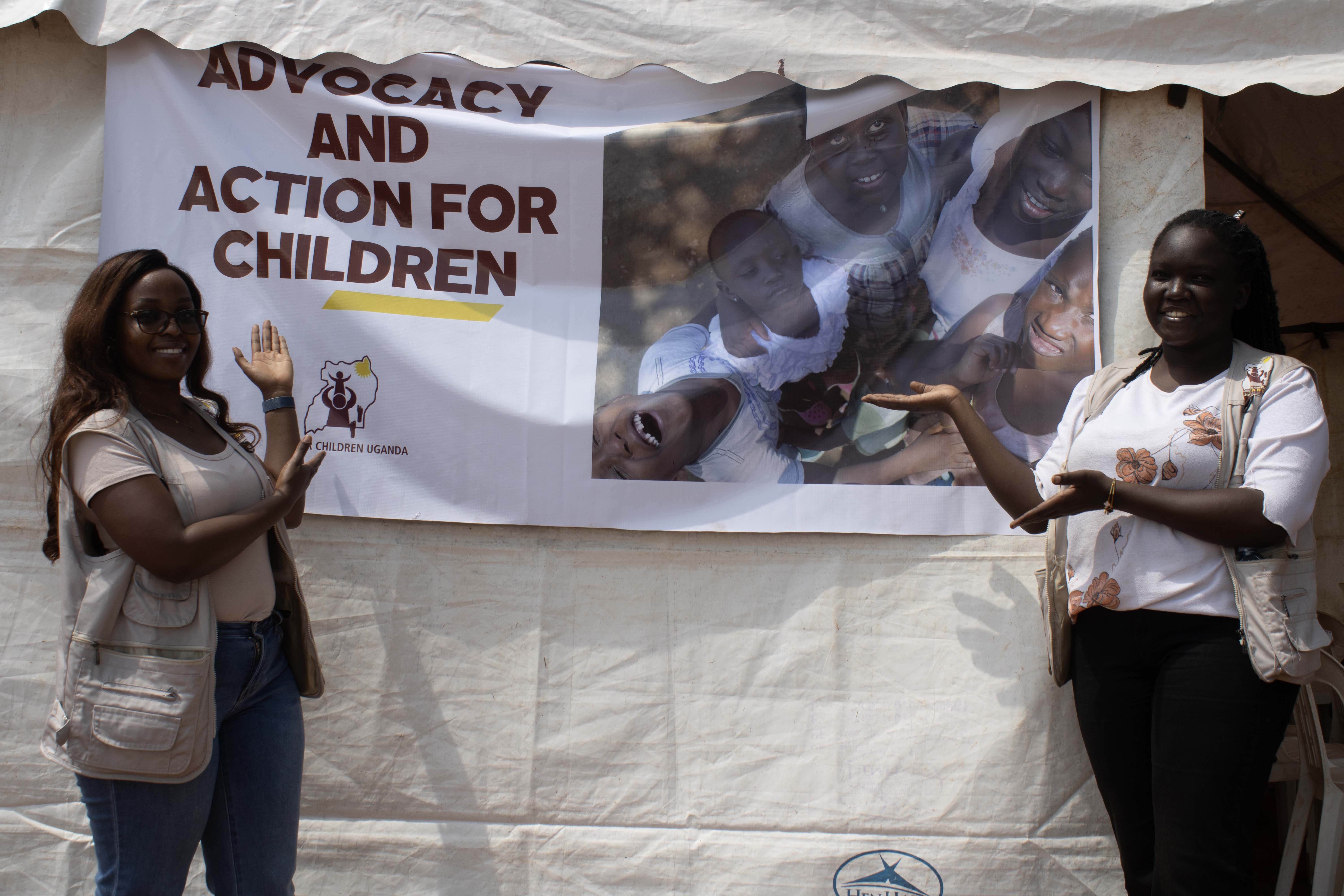
“When women have the opportunity to save, access affordable credit and invest in their livelihoods, the benefits extend beyond individual households, they can strengthen families and contribute to healthier, more resilient communities.” This was one of the key messages shared by Joy for Children Uganda (JFCU) during the Rotary Kampala South Family Mega Project held in Jjanyi, Kajjansi.

Read article
Articles
11 Jun 2026

Stolen Childhoods: The Ongoing Fight Against Child Labour in Uganda and Across the Globe

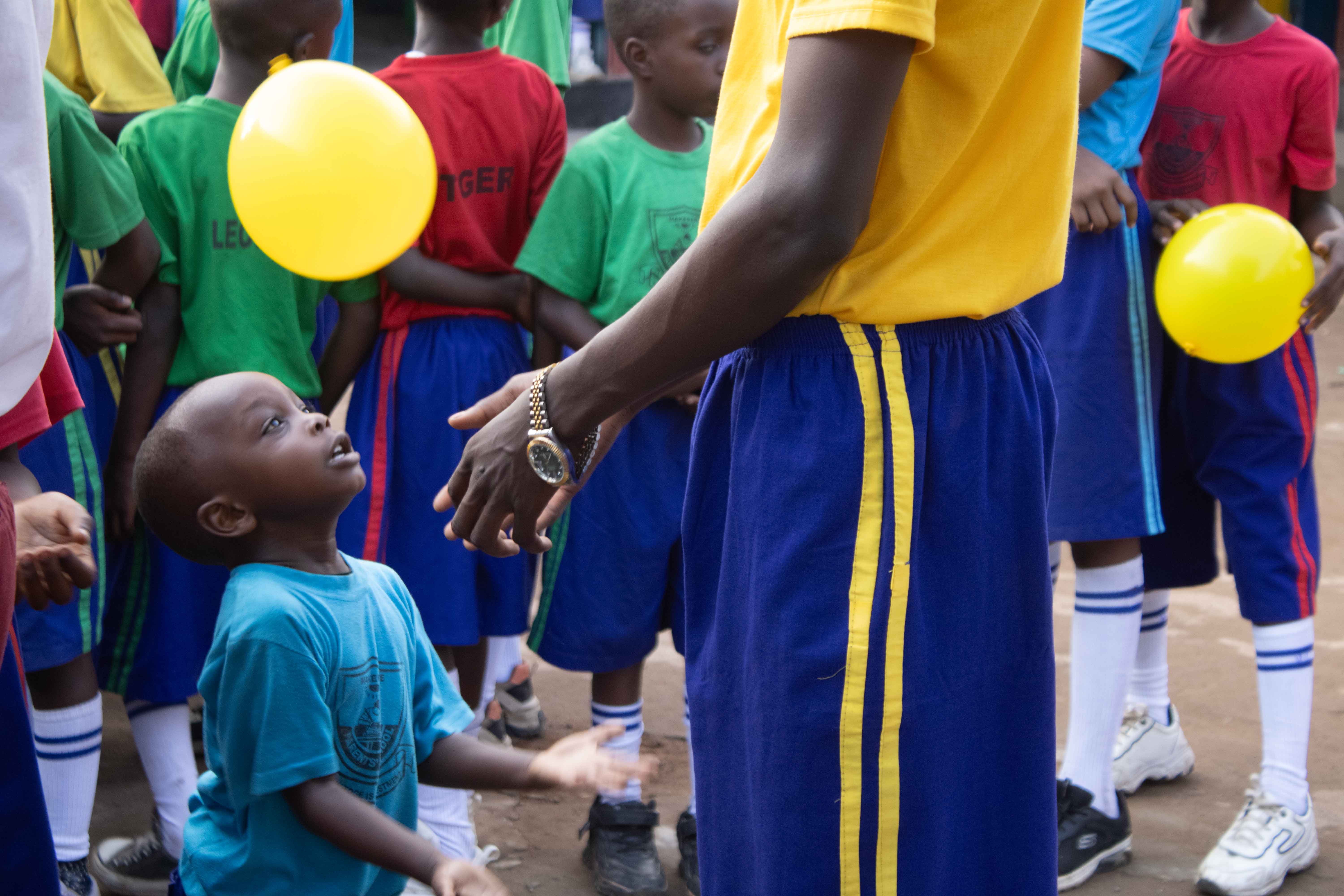
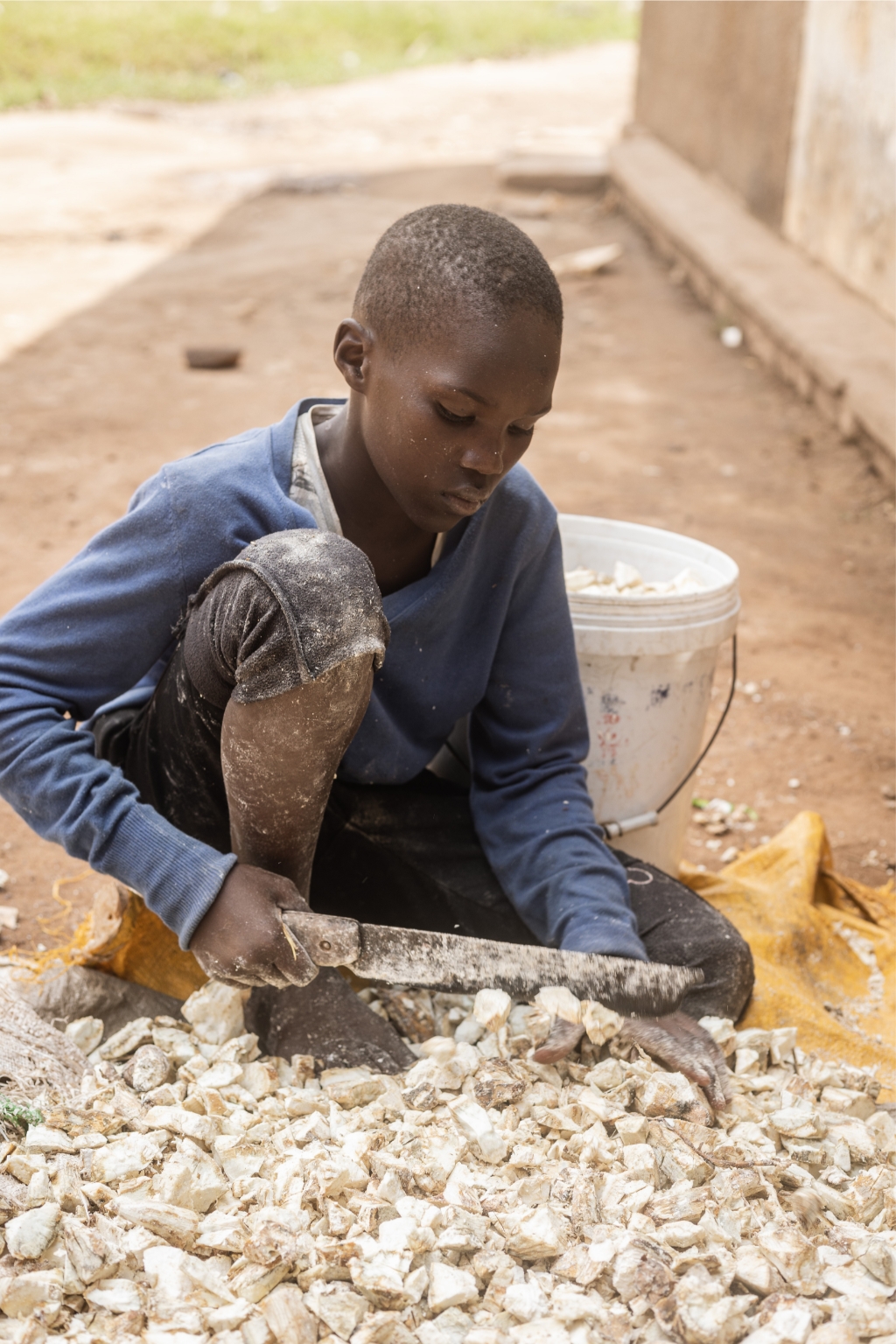
On 12th June, the world commemorates the International Day Against Child Labour under the theme, “Red Card to Child Labour: Fair Play for Children, Decent Work for Adults.” The day provides an opportunity for governments, civil society organisations, the private sector, the media, and communities to reflect on the millions of children worldwide who continue to spend long hours in harsh and hazardous working conditions, often at the permanent expense of their education, health, safety, and childhood.

Read more
Articles
09 Feb 2026

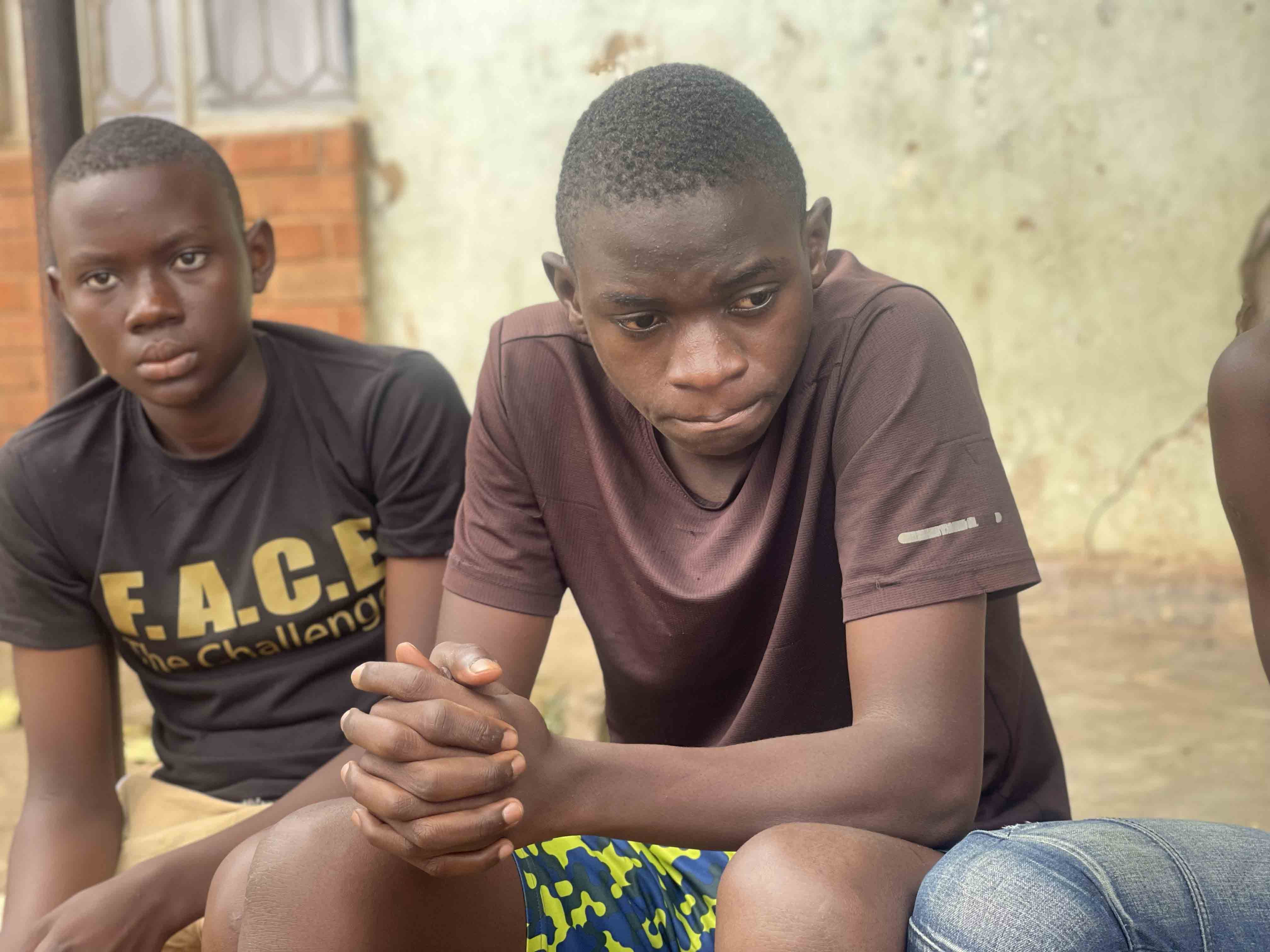
The Hidden Impact: How Intimate Partner Violence (IPV) Negatively Affects Children

The loud slaps and harsh blows ring loud inside Jacob’s (not real name) mind, they even follow him to his paper-thin bed on some nights. Tonight, his mother and father are having another altercation. The neighbors in the other makeshift houses are opening doors and standing out in groups discussing their home situation in very loud whispers, but not making any move to help. Even Jacobs friends around Busia town have parents that fight at home, but he doesn’t think it normal.

Read more
Articles
22 Oct 2025

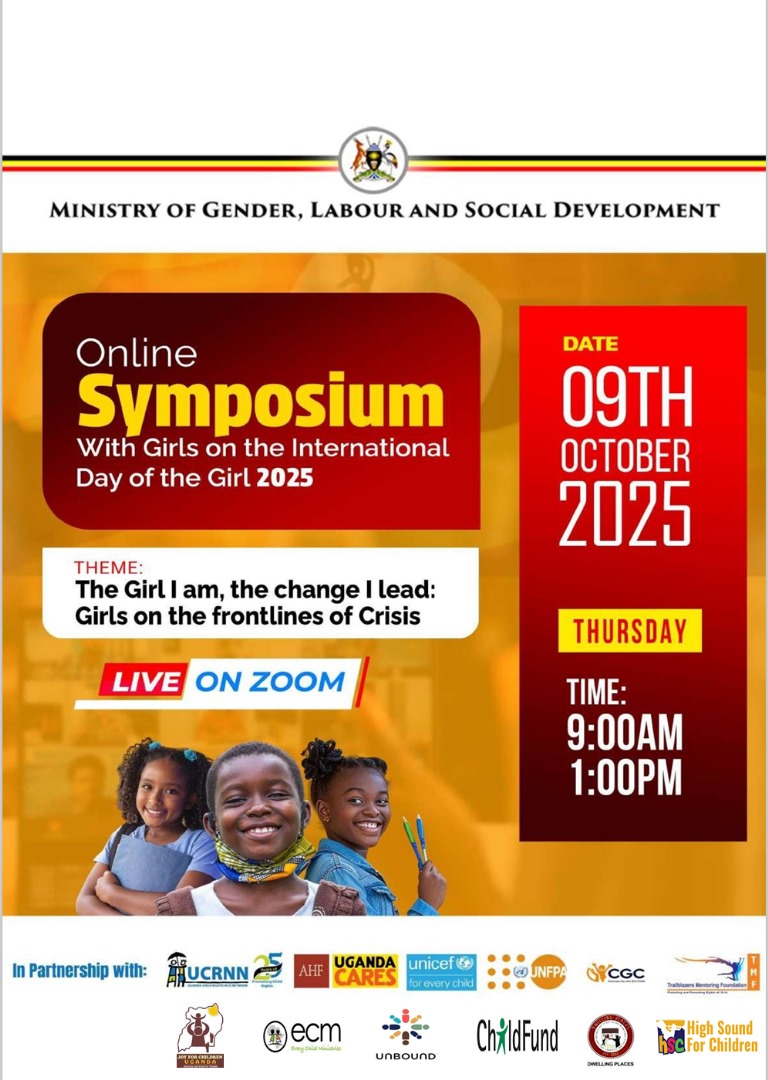
National Online Symposium to commemorate the International Day of the Girl Child 2025

In commemoration of the International Day of the Girl Child 2025, the Ministry of Gender, Labor and Social Development (MGLSD), in collaboration with civil society organizations including Joy for Children Uganda (JFCU), Concern for the Girl Child, AHF Uganda Cares and others, convened a National Online Symposium. The event provided a platform for girls themselves to articulate their experiences, offer leadership, and engage in shaping strategies under this year’s theme: “The Girl I Am, The Change I Lead: Girls on the Frontlines of Crisis”.

Read more
Articles
22 Oct 2025

The role of community systems strengthening in Pediatric HIV prevention

About one million and four hundred thousand people are currently living with HIV in Uganda. Of all new infections, 29 percent were among adolescent girls and young women despite this group only representing 10 percent of its population (Uganda Aids commission 2021). Young mothers living with HIV have multi-layered issues to manage, including pregnancy, childbirth and parenting, alongside lifelong antiretroviral therapy, preventing HIV transmission to their infant, potentially caring for a child with HIV, mental health challenges and often HIV associated stigma and discrimination. Young mothers and their children are at greater risk of HIV infection as well as poverty, violence, exclusion, poor education, and early childhood developmental delays. A high number of children and pregnant and lactating young women living with HIV are still unaware of their HIV status or are not able to start or continue their treatment. Various barriers are hindering them from accessing or to continue accessing services they need to live healthy lives or to ensure children are born and remain HIV free (WHO/ UNICEF, 2021).

Read more
Protection help