Where Injustice Lives; What Access to Justice for All Women and Girls in Uganda Looks Like.
Well, injustice dwells on the streets of Jinja city, in the huts of residents in Kabong, within fenced gates in Ntinda, inside high-rise towers within the city center and in the mundane conversations we have every day.
International Women’s Day is here yet again, under the theme “Rights. Justice. Action for ALL Women and Girls.” A theme that highlights the importance for women and girls’ rights to be acknowledged, the importance of access to justice and the relevance for action. Not just action, but action for All Women and Girls.
Access to justice is a fundamental human right and the cornerstone for any democratic society, yet many women and girls still have no access to justice. 3 in 4 countries permit child marriage and 44% of countries worldwide have no laws that guarantee equal pay for work of equal value. The justice gaps are wide enough to fit 4 billion women in, basically the entire female population.
In Uganda, the 2024 Annual Crime Report revealed that over 75 percent of domestic violence victims were women and girls, with 1667 recorded rape victims in 2024 being female, who also accounted for 98 percent of defilement cases. Proof that the right women and girls have to protection is not being enforced effectively in the country.
But before we bump heads, let’s first take a detour down the street that celebrates the existing rights women and girls have, that are respected, recognized and enforced. Starting with two major Ugandan legislations enforced in 2010; The Domestic Violence Act and the Prohibition of Female Genital Mutilation Act. The prohibition of FGM resulted in the criminalization of all of its forms, and Uganda being the country with the lowest prevalence of 0.3 in the east African region. The Domestic Violence Act provides stringent protection measures for survivors of physical, sexual, verbal, psychological, emotional, and economic abuse of a victim or anyone related to them in a household.
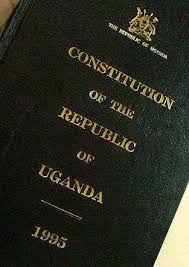
Another key document the country celebrates in promoting Justice for women and girls, is the 1995 Constitution of Uganda, which aligns with global standards to support gender equity in communities. Article 21 clause 1 states that all persons are equal under the law. Article 33, goes on to underscore the rights of women, stating that women shall be accorded protection from the state, ‘taking into account their unique status and natural maternity functions in society.’
The National Action Plan on Elimination of Gender-Based Violence in Uganda (2016-2020), aims to eradicate violence against women and girls. Some of its strategies include, data monitoring to track progress, the establishment of regional GBV one stop centers and community campaigns to address issues and involve men as well.
Not forgetting the Sexual Offenses Bill, that fronts the criminalization of sexual violence and the protection of survivors and vulnerable groups Though it is still before the Parliamentary Committee on Legal and Parliamentary Affairs, Joy for Children Uganda remains a resounding voice in ensuring this bill is passed.
The Persistent Gender Problem
The gaps show themselves in every one of the achievements. For starters, as much as employers are more gender inclusive, equal pay is still an ongoing debate. Many women find out years after working diligently for an employer, that their male subordinate is earning more than them.
Uganda Demographic Health Survey (2022/23) indicated that physical violence against females was at 23%. Afriobarometer states that, although almost 40% of enterprises in the country are owned by women, averagely, they earn 30% lower profits than men. Only 16% of women in the country own land.
Girls are being defiled on a daily, yet a small fraction of them get to see justice. In 2023, only 940 convictions were made over the 12,00 reported cases. Many girls are forced into early marriages at very tender ages, nearly one in every five girls is married before the age of 18. These early marriages, period poverty, child labor, teenage pregnancy, to name but a few, have led to the dropout of girls from school, with roughly 46% dropping out before completing high school.
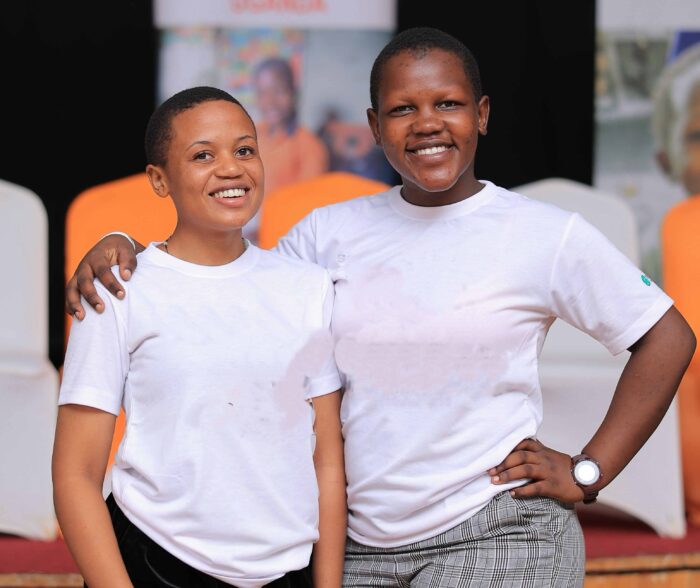
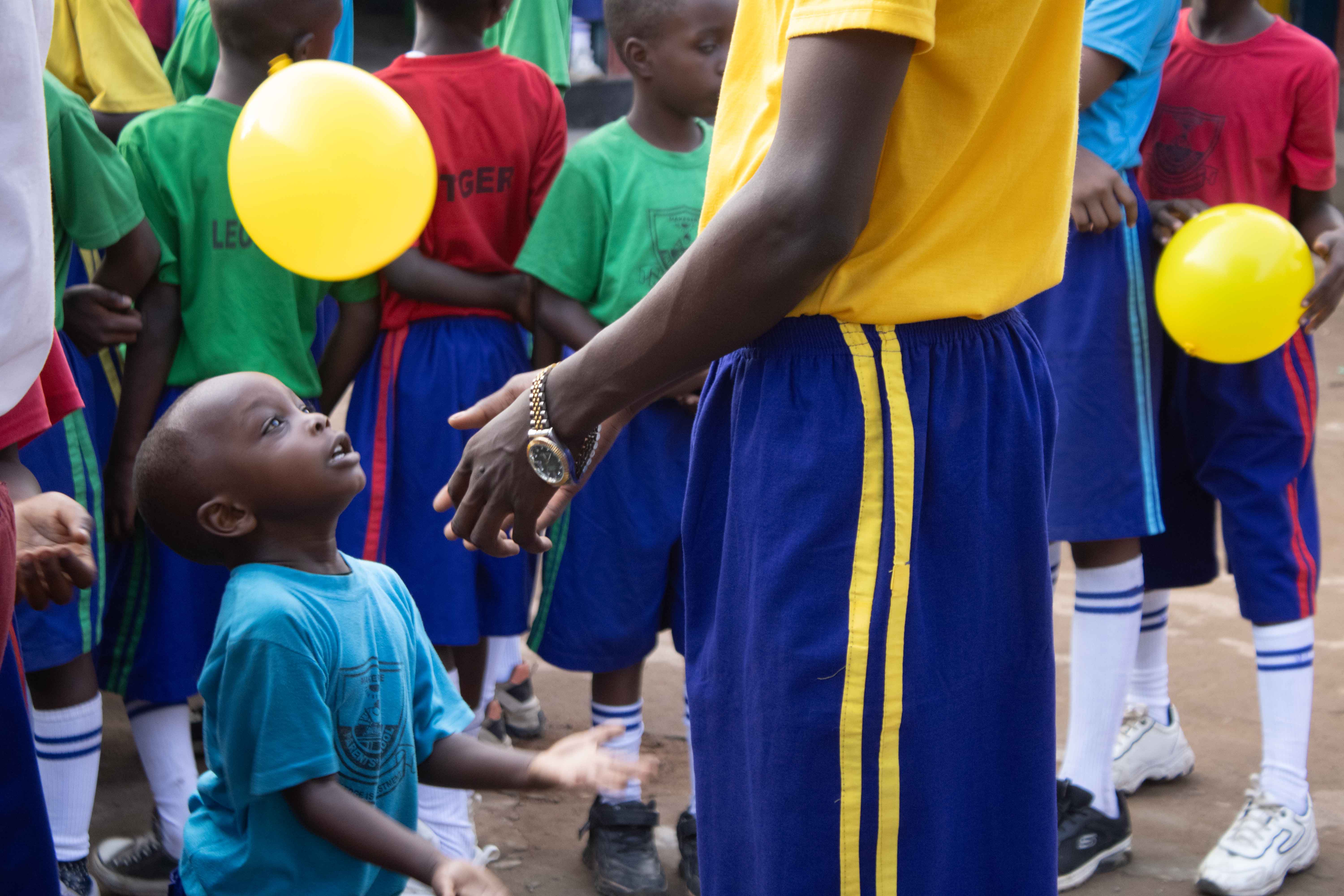
Girls attending 2025 International Girl Child Day celebration
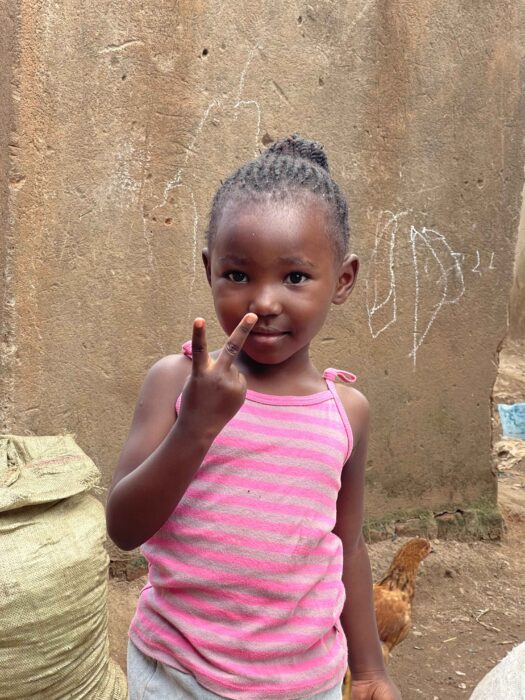
Girl posing for picture in one of JFCU's project areas.
For girls and women, justice grows further and further away as injustice becomes an unwanted companion. In many communities, injustice does not always appear in dramatic court battles, it often lives quietly in everyday realities. Women and girls continue to face systemic barriers when seeking justice. These barriers range from social stigma and economic dependence to limited awareness of legal rights and weak enforcement of existing laws. While legal frameworks exist to protect them, the lived experiences of women and girls often reveal a troubling gap between the law and its implementation.
When existing systems fail, injustice becomes normalized. Survivors may choose silence over reporting abuse because they fear retaliation, community judgment, or the lengthy and costly legal process. To women and girls justice becomes an illusion and injustice a lived reality.
Where Justice Lives
Access to justice means more than the presence of courts or legal systems. It includes the ability of individuals to seek remedies, report violations, receive fair hearings, and obtain protection under the law. For women and girls, true access to justice also requires safety, confidentiality and support systems that prevent further harm or stigma.
Joy for Children Uganda provides psychosocial, educational and legal support for women and girls living in underprivileged communities. Through collaborations , we offer free legal counsel and legal education to all stakeholders in different communities. As strong advocates for child education, we take pride in our sponsorship program that has kept numerous girls in school, thus securing their futures.
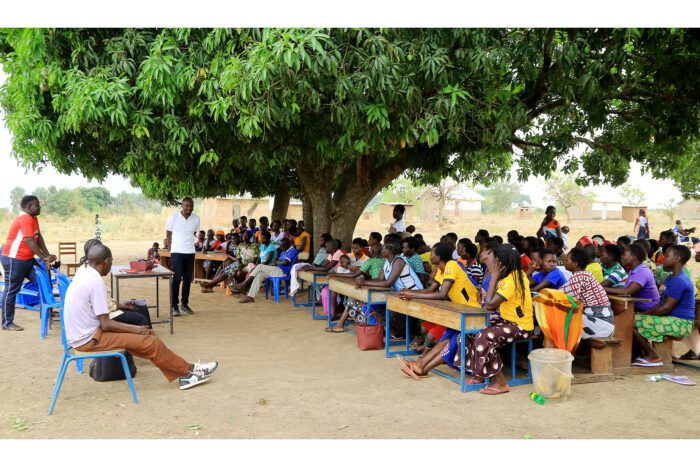
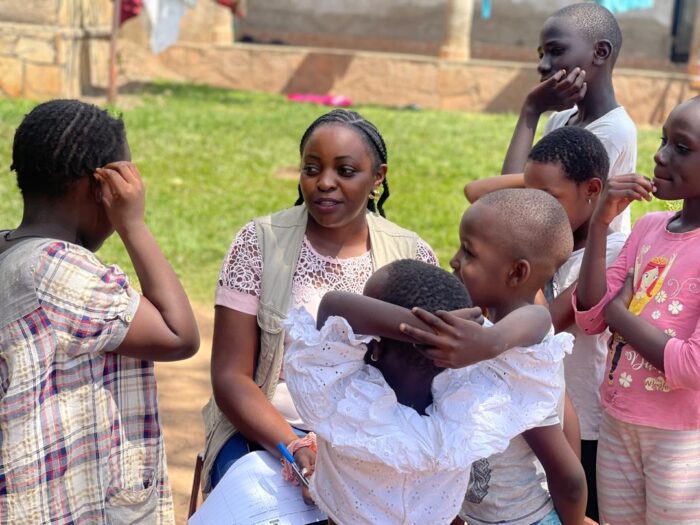
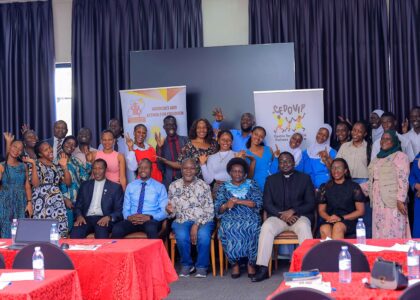
Executive Director speaking to a group of women and girls on International Women's Day 2025
Ensuring access to justice for women and girls has incredible social and economic benefits. When women can seek justice without fear, communities become safer, children grow up in more stable environments, and societies move closer to achieving gender equality. Understanding that justice is more than just punishment, contributes to restoring dignity, protecting rights, and preventing future violations
Action for All Women and Girls
To act means to take a stand. EVERY woman and girl has rights that must be respected and valued, EVERY woman and girl must access justice and EVERYONE must join the fight to ensure gender equality is achieved.
The conversation about justice must go beyond policy discussions and reach the communities where injustice often begins. More grassroots engagement, more legal awareness programs, and more safe spaces for women and girls to speak out are essential steps toward meaningful change.
Exploring where injustice lives is the first step toward dismantling it. By strengthening legal systems, empowering survivors, and addressing the social structures that enable abuse, societies can move closer to a future where justice is not a privilege, but a right accessible to all women and girls.