What Uganda's Early Childhood Care and Education (ECCE) Policy means for its Children
Uganda has made significant progress in expanding access to Universal Primary Education (UPE) and Universal Secondary Education (USE). However, this progress begins too late in a child’s development journey. Early Childhood Care and Education (ECCE), which serves children aged 0–6 years, is largely privatized and inaccessible for many families.
UNICEF states that only 1 in 10 children aged 3 to 5 are enrolled in formal early childhood education. This means the majority of Ugandan children enter Primary One without any structured early learning experience. Poverty continues to deepen inequality. The Uganda Bureau of Statistics Multidimensional Poverty Index (2026) estimates that about 12 million Ugandans live in poverty, with 15 million children experiencing multiple deprivations. For these households, ECCE is often viewed as an unaffordable luxury rather than a necessity.
This gap has created a silent crisis: children are starting formal schooling without the foundational skills needed for learning, development, and long-term success.
Why Early Childhood Care and Education (ECCE) Matters
Early Childhood Care and Education forms the foundation of human development. Research shows that the first five years of life are a period of rapid brain growth, where a child’s brain forms over one million neural connections every second. These early experiences shape cognitive ability, emotional stability, social behaviour, and future academic success. “Children who attend ECCE are more prepared emotionally, socially, and academically before entering Primary One. The children that start primary one without early education find it very difficult to adapt,” Sarah Nambusi, an early years teacher shared.
ECCE provides early literacy and numeracy foundations in the sense that before a child gets to Primary One, they can at least distinguish numbers from letters. It promotes emotional and social development, allowing children to navigate emotions such as anger, happiness, and friendships at an early age. ECCE also introduces children to safety and nurturing environments, further contributing to their emotional and social well-being.
It also provides cognitive stimulation through play-based learning. This means that a child’s mind is developed further through different games played at an ECCE centre. For example, in a game where there is a ring of coloured hoops, children are required to move around the hoops until the teacher calls out a colour. If the teacher mentions red, every child must quickly find and stand in a red hoop. This game is fun, interactive, and educational because children familiarize themselves with movement, colours, and listening skills.
Despite this evidence, many Ugandan children are still forced to stay at home until they are old enough for Primary One. This leads to them missing out on these critical developmental opportunities.
Existing Gaps in Early Childhood Care and Education
Before this policy, Uganda’s ECCE sector faced significant structural and access challenges. In the year 2016, Education Management Information System sited over 3.6 million children aged 3–5 were eligible for pre-primary education. However, only about 563,913 were enrolled, leaving more than 3 million children without access.
Several key gaps contributed to this, including:
Limited awareness: Many families, especially in underserved communities, underestimate the value of early childhood education, often viewing it as optional rather than essential.
High costs: ECCE services have largely been privatized, making them unaffordable for many families.
Lack of regulation: Many ECCE centres operated without standardized guidelines, leading to inconsistent quality of care and learning.
Weak child protection systems: Not all centres adhere to safety and safeguarding standards, a gap that has been starkly highlighted by recent attacks on school children across the country.
Fragmented data systems: Limited data on ECCE made planning, monitoring, and investment difficult.
Untrained caregivers: Limited professional training frameworks resulted in gaps in the quality of teaching and child support.
What the ECCE Policy Launch Means for Uganda’s Children
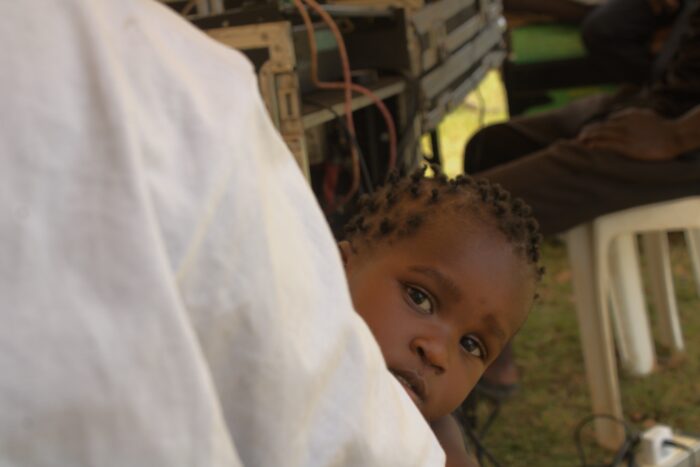
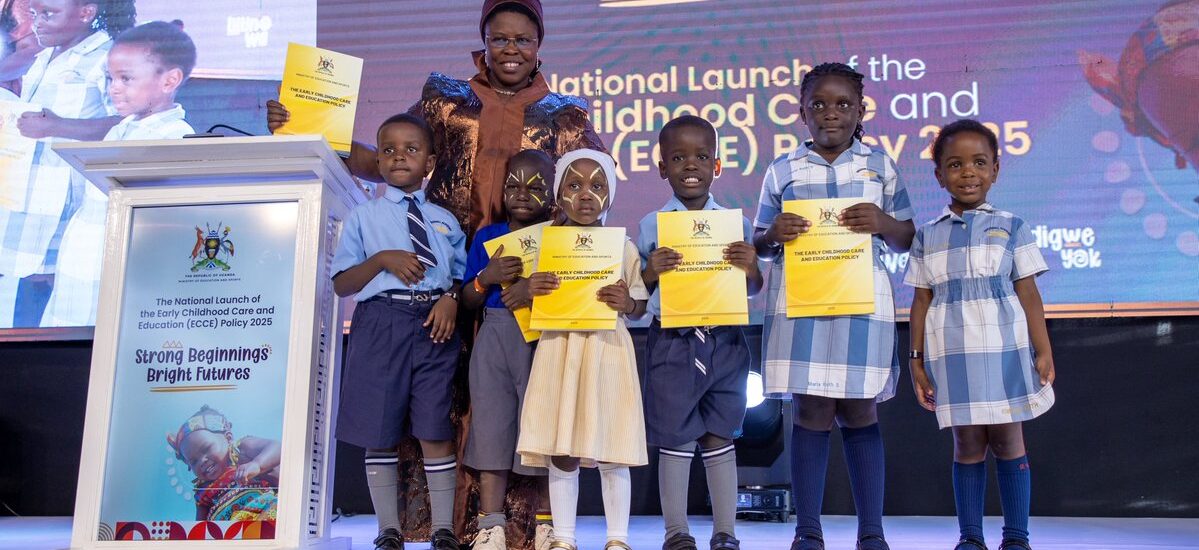
The month of April marked a significant milestone for Uganda. Beyond notable national events and conversations, the Ministry of Education and Sports officially launched the Early Childhood Care and Education (ECCE) Policy, an important step toward addressing long-standing gaps in early childhood education in Uganda.
The policy’s mission is to support, standardize, regulate, and promote quality, relevant, and affordable ECCE services, ensuring increased access, equitable enrolment, and smooth transition to primary education for all children.
For the first time, Uganda has a comprehensive national framework dedicated to early childhood development, signalling a stronger commitment to “Strong Beginnings, Bright Futures.” The policy emphasizes that children need more than just schooling; they also need nurturing care, safe environments, proper nutrition, responsive caregiving, health services, and play-based learning.
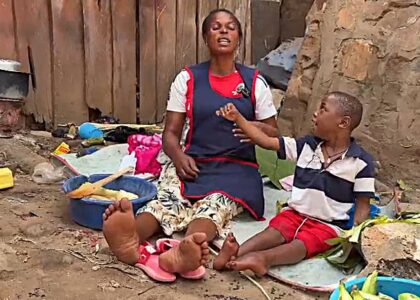
Mama Ray, as she requested to be called, felt relief with the policy launch. She was reassured of safety in ECCE centers for her children. With the recent brutal attacks on children in schools, she and a number of other parents have been at the edge of their seats, ready to pull their children out of school and adopt homeschooling.
With this new policy, families, caregivers and parents, like mama Ray, are recognized as the child’s first educators, making parental involvement a central pillar of the policy. As Hon. Joyce M. Kaducu emphasized during the policy launch, the ECCE Policy signals a renewed national commitment to investing in the earliest years of a child’s life.
Key Pillars of the New ECCE Policy
1. Standardized and Structured ECCE Services
The policy introduces a clear structure:
- 0–3 years: Daycare and childcare services
- 3–6 years: Pre-primary education (nursery, kindergarten, and other approved models)
This removes ambiguity and creates a more organized early learning system in Uganda.
2. Regulation, Licensing, and Quality Assurance
All ECCE centres will now be required to:
- Operate under official licensing systems
- Meet minimum quality standards
- Undergo inspection and compliance monitoring
- Align with national standards through regulatory bodies
This aims to eliminate unregulated centres and improve the quality of care and learning.
3. Expansion of Access in Underserved Areas
The government will take a more active role in providing ECCE services where private providers are absent, especially in rural and low-income communities. This marks a major shift toward equity in early childhood education.
4. Professionalization of Caregivers and Teachers
The policy introduces:
- Qualification frameworks for ECCE teachers
- Accreditation and certification systems
- Continuous professional development programs
This ensures that children are supported by trained professionals during their most formative years.
5. Stronger Child Protection and Safety Standards
To safeguard children’s well-being, the policy:
- Prohibits boarding facilities for young children
- Enforces uniform safeguarding measures across ECCE centres
- Strengthens child protection systems in both formal and informal settings
This reinforces the importance of emotional and physical security and family-based care.
6. Increased Parental and Community Engagement
The policy integrates parenting programmes into ECCE systems, equipping parents with skills to support early learning at home. Learning does not start at school; it begins at home.
7. Improved Data and Accountability Systems
ECCE indicators will now be integrated into national education systems, strengthening:
- Planning
- Monitoring
- Resource allocation
- Policy decision-making
This addresses long-standing challenges of fragmented ECCE data.
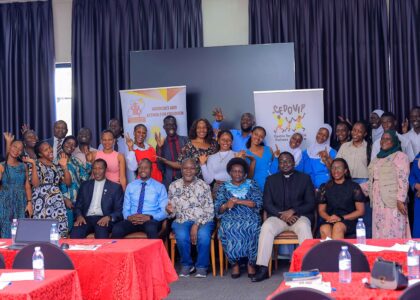
While the policy presents a strong framework for change, its success will depend on the collective efforts of all stakeholders, including civil society organizations such as Joy for Children Uganda.
Why We Support Uganda’s ECCE Policy
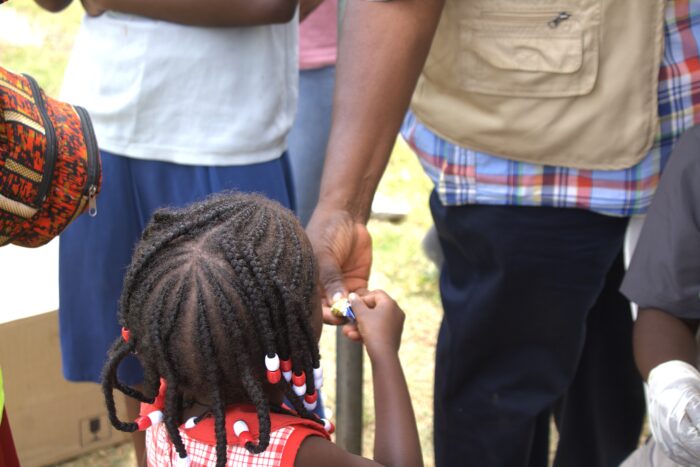
For nearly two decades, we have championed the rights and well-being of children, advocating for a society where every child has the opportunity to grow, learn, and thrive. We strongly believe that every child, regardless of their background or economic status, deserves equal access to quality education from the earliest stages of life. Our support for the ECCE Policy is deeply rooted in this commitment.
One of our core objectives is to increase children’s enrolment, retention, and learning outcomes within schools and communities. We recognize that achieving these outcomes begins long before a child enters Primary One.
The launch of the ECCE Policy is therefore a significant and timely step toward addressing long-standing inequalities in access to early learning opportunities in Uganda. We commend the Ministry of Education and Sports, together with all stakeholders and partners whose collaborative efforts brought this policy to life. The policy reflects a shared commitment to ensuring that children receive the nurturing care, protection, and quality learning experiences they need during their formative years.
We also recognize that policy development is not a one-off event, but a gradual and continuous process that requires sustained commitment, investment, and accountability. The true impact of the ECCE Policy will depend on effective implementation, increased awareness among communities, adequate financing, and collective action from government institutions, civil society, development partners, schools, caregivers, and parents.
As an organization, we remain committed to supporting advocacy, community sensitization, child protection, and stakeholder engagement efforts that contribute to the successful implementation of the policy and the realization of “Strong Beginnings, Bright Futures” for every child in Uganda.
A Collective Step Forward
The ECCE Policy represents a major step forward in addressing long-standing inequities in early childhood education in Uganda. Its successful implementation has the potential to transform the lives of millions of children by ensuring they start school ready to learn and succeed.
The need for pre-primary education in Uganda has never been more urgent. No child should be denied the opportunity to learn, grow, and thrive simply because they cannot afford early education.
We call upon the Government to ensure that the 19.74 billion allocated to ECCE interventions is properly utilized. Communities and parents are urged to embrace and invest in early childhood education since it contributes to the holistic development of a child. Development partners, private sector actors, and Civil Society Organizations should support scalable and inclusive ECCE solutions and continue advocating for equitable access and accountability.
Early childhood is not a luxury; it is a necessity. The new ECCE Policy presents a critical opportunity to transform the current state of early childhood education in Uganda. If effectively implemented, it can ensure that every child in Uganda, regardless of background, has access to strong beginnings and the opportunity for a brighter future.