Empowering Women in Kampala’s Informal Settlements: Building Brighter Futures for Vulnerable Children
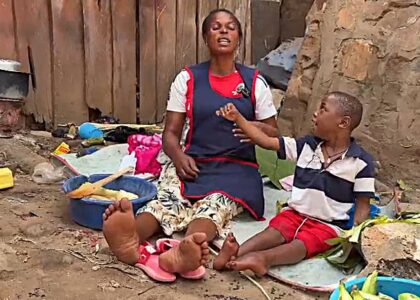
Across Kampala, more than 60 informal settlements, commonly referred to as slums or ghettos, including Bukoto, Bwaise, Kivulu, and Mulago, are home to thousands of vulnerable families. Many residents face persistent poverty, limited access to clean water and sanitation, inadequate healthcare, and unstable livelihoods. In these challenging environments, women often carry the responsibility of providing for and protecting their children despite having limited economic opportunities.
At Joy for Children Uganda (JFCU), we believe that empowering women is one of the most effective ways to improve the lives of children. Through the Slum Women Development Project, we work directly with women in informal settlements to strengthen their economic independence, improve family well-being, and create safer and more supportive environments for children to thrive.
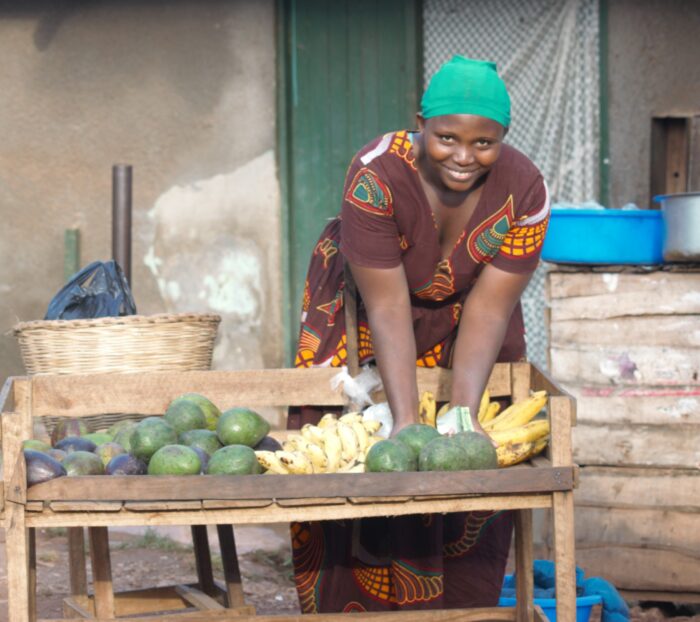
The Slum Women Development Project
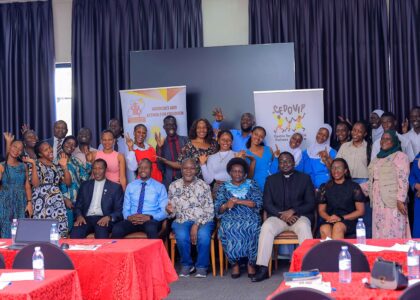
The Slum Women Development Project was established in 2010 following community outreach activities conducted in four informal settlements in Kampala: Mulago, Bukoto, Bwaise, and Makerere-Kivulu. The project was designed with the overall goal of improving the living conditions of vulnerable children through a multidimensional and community-centered approach. The project is implemented through four key components: Women’s empowerment and savings groups, Children’s learning and development activities, support for children with disabilities and child sponsorship and education support.
A Story of Sustainability: Bukoto Empower Women’s Group
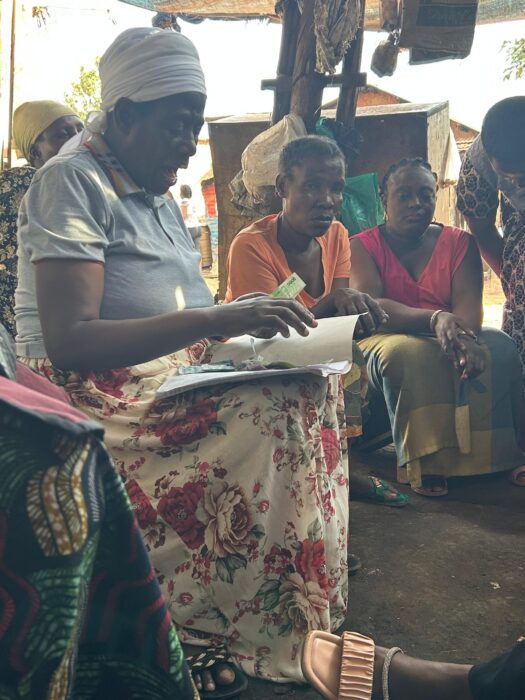
A recent monitoring visit to the Bukoto Empower Women’s Group revealed the remarkable long-term impact of women’s economic empowerment. 13 years ago, we established a savings group in Bukoto. Starting off with 8 founders, only two have stood the test of time. On the other hand, the group has grown over the years, from 26 members to now 46 members. It has become a dependable support system that helps members withstand financial hardships, pay school fees, and provide essential needs such as food, shelter, and healthcare for their families.
With a grant from JFCU, the Bukoto Empower Women’s group was able to establish a catering business that has been operational for approximately 11 years. This catering service can feed over 1000 people and has enough equipment to set up 5 serving points. The income generated from this business enabled the women to purchase chairs for hire and later expand into poultry farming. Today, the group manages more than 150 birds, creating an additional and sustainable source of income for them.
The Bukoto Empower Women’s Group continues to extend its impact beyond its own membership by mentoring and supporting other women within the community. The group stands as a powerful example of sustainability, community ownership, and the lasting impact that can be achieved when women are equipped with knowledge, skills, and opportunity. As commonly expressed within the community, the group is truly “gumitte,” resilient, united, and enduring through the challenges of time.
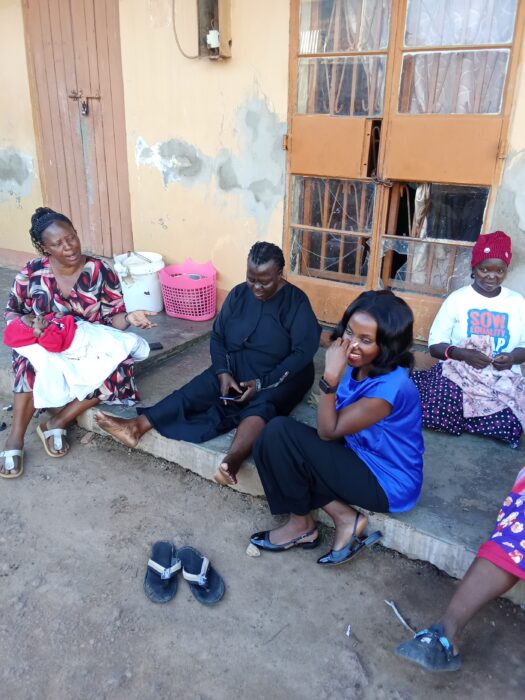
A Story of Sustenance: Kampala Women’s Development Slum Kivulu
In Makerere-Kivulu, the women’s savings group named Kampala Women’s Development Slum was established over 12 years ago with support from Joy for Children Uganda. Unlike other groups we support, this one receives full support from us. We have been able to sponsor some of their children, make in-kind donations including a sewing machine, and equip the women with knowledge and skills in book making, tailoring, and financial education.
This women’s group has collectively managed to purchase 120 chairs, which they hire out at UGX 500 each. The money earned from this business is then banked for safekeeping. Additionally, they run a very active black book-making project that has further contributed to the success and growth of the group.
However, regular attendance among members remains low, leading to inconsistencies and challenges in tracking progress and participation. Their chair-hiring business also faces a limited market, as many customers prefer providers who offer tents alongside chairs. Yet, despite these challenges, the women continue to prove themselves as fierce, dedicated, and driven.
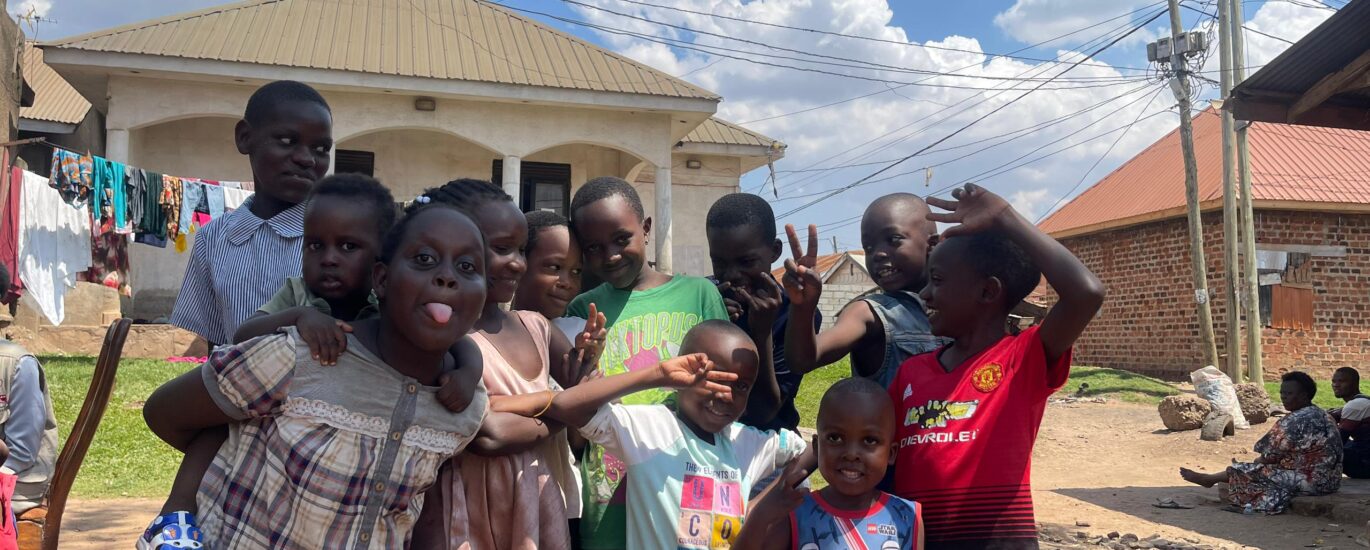
The positive impact of women’s empowerment is reflected in the lives of children. Increased household stability means that children are more likely to stay in school, access basic needs, and grow up in safer, healthier, and more supportive environments. Rather than being burdened by the pressures of survival at an early age, children are given the opportunity to learn, play, dream, and fully experience their childhood.
Supporting women in informal settlements has played a vital role in sustaining brighter, healthier, and more hopeful futures for vulnerable children and their communities.