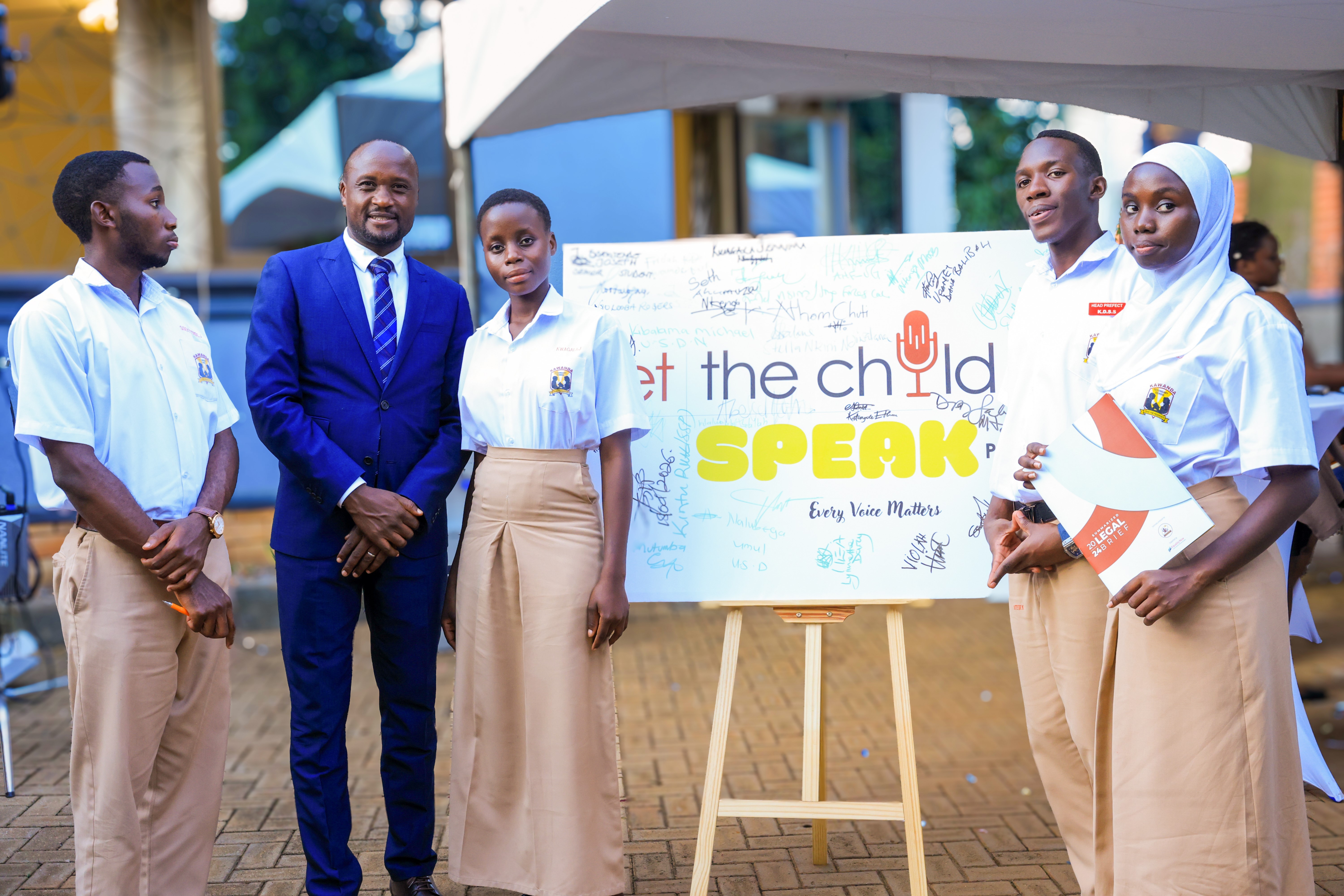
Children are often at the center of conversations about their rights, protection, education and wellbeing. Yet, how often are they given the opportunity to shape those conversations themselves?
For many years, decisions affecting children have largely been discussed and made by adults, sometimes without meaningfully considering the perspectives of the children those decisions are intended to serve. Recognizing the importance of changing this, Joy for Children Uganda (JFCU) has launched Let the Child Speak, a child-centered advocacy audio-visual podcast designed to amplify children's voices and create opportunities for them to participate in conversations and decisions affecting their lives.
The podcast was officially launched on 15 October 2026 during JFCU's post–International Day of the Girl Child celebrations, bringing together children, government representatives and civil society organizations to discuss girls' rights, ending child marriage and the importance of meaningful child participation.

20 Years of Championing Children's Rights
Joy for Children Uganda is a non-profit children's rights advocacy organization committed to promoting and protecting the rights and wellbeing of children in Uganda. For 20 years, we have championed children's rights guided by the principles of non-discrimination, participation, the best interests of the child, and the right to life, survival and development.
The launch of Let the Child Speak builds on this commitment, recognizing that children are not merely beneficiaries of policies and programs but individuals with experiences, perspectives and ideas that should contribute to shaping their present and future.
The initiative is guided by Article 12 of the United Nations Convention on the Rights of the Child (UNCRC), which recognizes every child capable of forming their own views as having the right to express those views freely in all matters affecting them, with due consideration given to their age and maturity.
It also draws inspiration from the Sustainable Development Goals, particularly SDG 5 on gender equality and eliminating harmful practices such as child marriage and female genital mutilation; SDG 2 on zero hunger; SDG 3 on good health and wellbeing; SDG 4 on quality education; and SDG 6 on clean water and sanitation.
Through these commitments, JFCU seeks to strengthen the understanding that children's participation is not an optional gesture but a fundamental right that must be respected and upheld.
From Speaking to Children, to Listening to Them
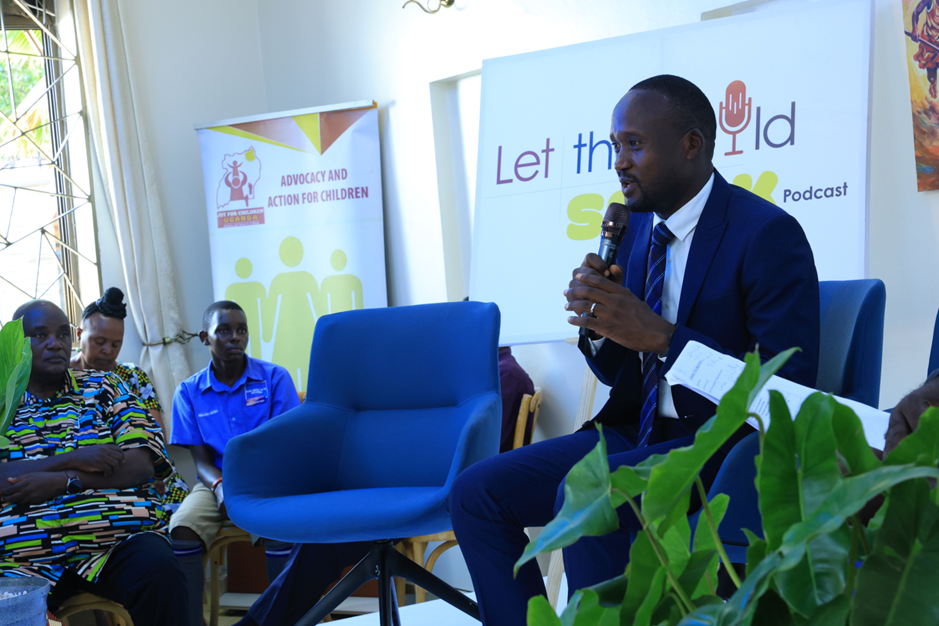 Opening the launch event, Moses Ntenga, Founder and Executive Director of JFCU, emphasized the need to move beyond discussing children's issues to actively involving children in conversations and decisions concerning their wellbeing and future.
His remarks reinforced the importance of creating spaces where children can express themselves, contribute ideas and engage with the people and institutions responsible for their protection.
Representing the Guest of Honor, Dr. Mercy Faith Lakisa, Minister of State for Youth and Children’s Affairs, Rodgers Golooba, Senior Welfare and Probation Officer at the Ministry of Gender, Labor and Social Development, highlighted government efforts to empower girls with resources and knowledge.
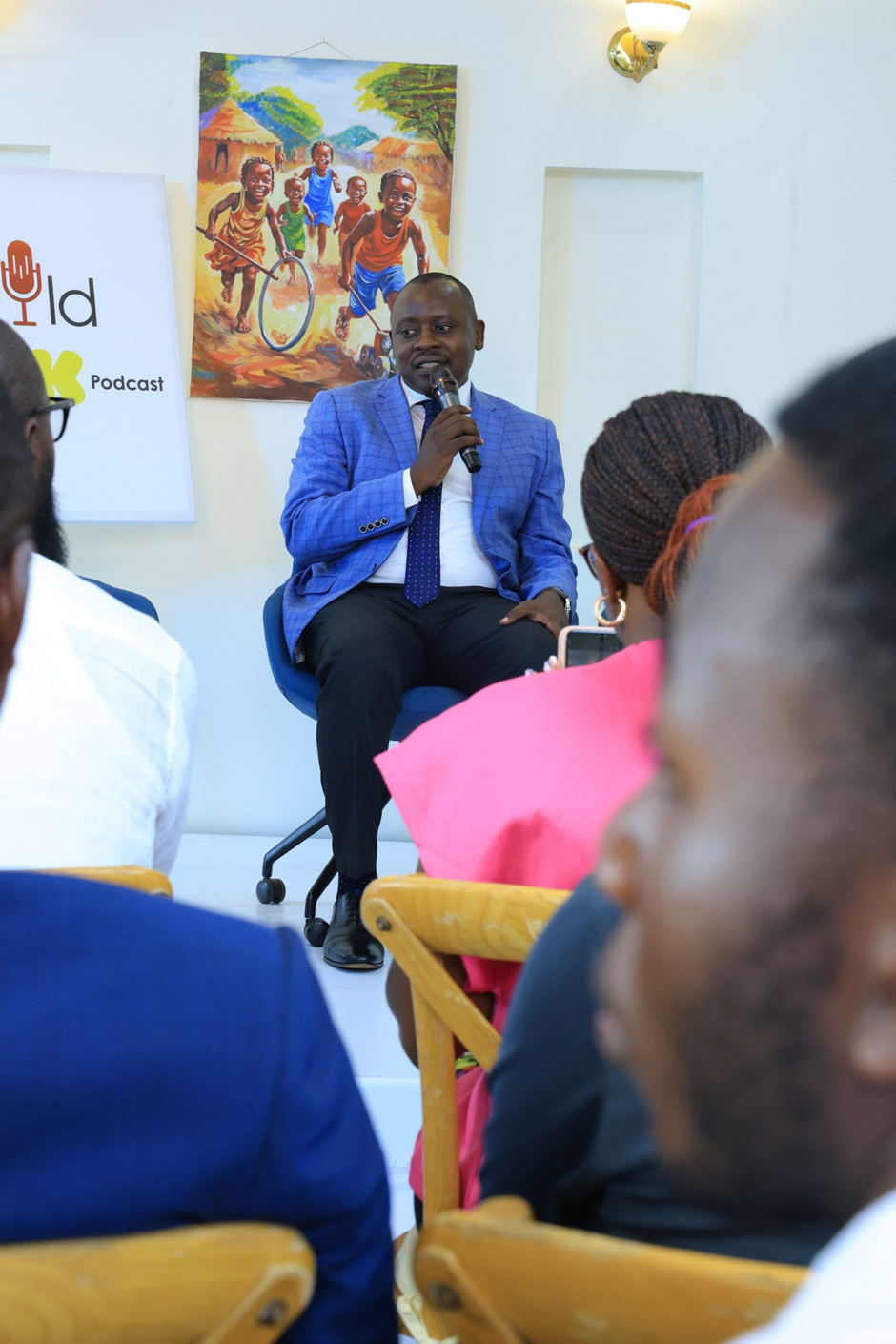 He also pointed to existing Government collaborations with cultural leaders to challenge practices that promote child marriage, while emphasizing the importance of stronger partnerships in achieving lasting change.
Golooba further highlighted the pressure population growth places on public services, noting that “the growing number of children in Uganda places increasing demands on an already challenged service delivery system.” His remarks reinforced the need for collective efforts to ensure children can access the services and protection they need.
Children Take Center Stage in Conversations About Their Rights

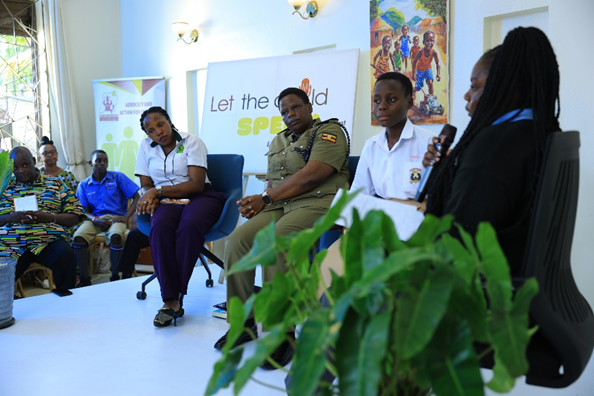
A panel discussion brought together Ruth Kintu, Deputy Commissioner of the Child and Family Protection Department at Naguru Police Headquarters; Joyce Nakato, Team Lead at the Uganda Youth and Adolescents Health Forum and Co-Chair of Girls Not Brides Uganda; and Kwagala Jemimah, a student from Kawanda Secondary School. The discussion was moderated by Joan Ndagire, a Digital Security Ambassador at Taibah International School.
The discussion explored some of the factors contributing to the continued prevalence of child marriage and teenage pregnancy, including limited awareness of children's rights and the need for stronger protection and accountability mechanisms.
Kintu highlighted the importance of “a clear legal framework in addressing child marriage,” referring to the National Strategy to End Child Marriage and Teenage Pregnancy, which recognizes both formal and informal unions as forms of marriage.
Nakato commended the government's National Strategy to End Child Marriage and Teenage Pregnancy, noting that approximately 38 per cent of the strategy had been rolled out within the country. Her remarks highlighted the importance of translating policy commitments into meaningful action that protects girls, prevents child marriage and teenage pregnancy, and expands opportunities for young people.
Beyond the contributions of adult stakeholders, children's participation remained central to the discussions.
Recognizing that advancing girls' rights requires the involvement of everyone, a separate panel featuring boys from Kawanda Secondary School explored the role boys can play in preventing child marriage and teenage pregnancy.
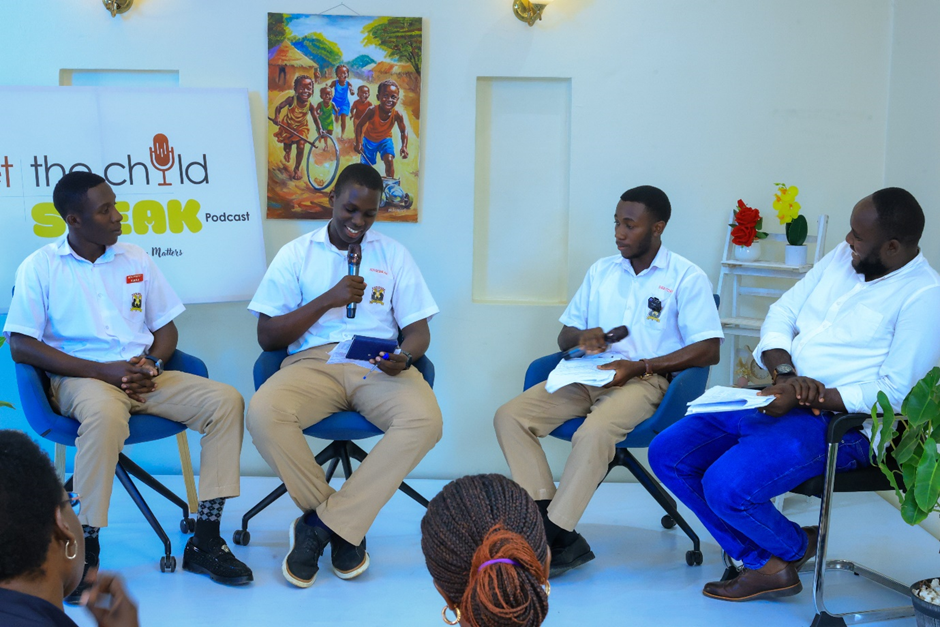
Katongole Ethan emphasized the importance of education and sexual and reproductive health and rights awareness in equipping girls with the knowledge to make informed decisions about their lives and futures. His contribution highlighted the need to involve boys in challenging harmful gender norms and championing girls' rights.
Another memorable moment came through a poem by Athem Nshuti, a student from Kawanda Secondary School, who reminded participants that protecting children is so much more than promises and policies.
"Protection is more than words we say, it is the action we take every day," she said.
Her words captured the essence of child protection, challenging adults, institutions and communities to turn their commitments to children's rights into meaningful action.
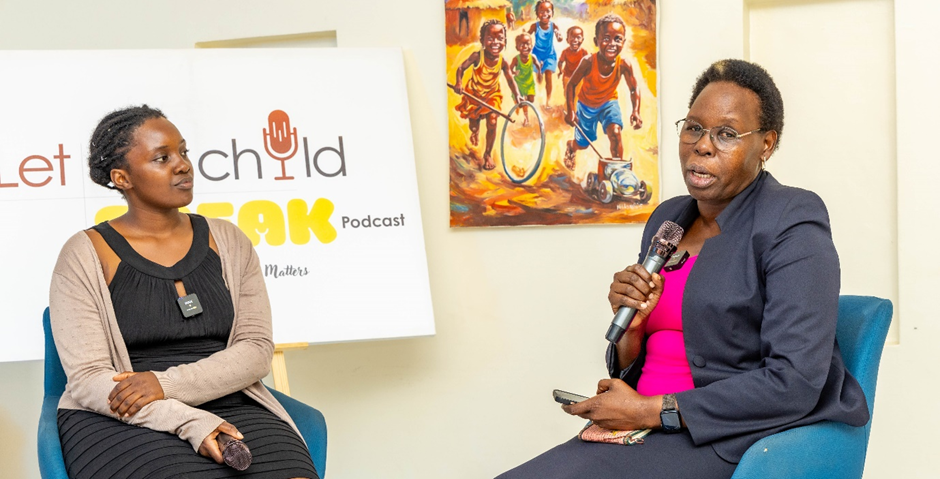
Chief Guest Stella Ayo-Odongo reflected on the evolution of child rights advocacy, highlighting milestones such as the establishment of children's parliament. She emphasized the importance of building on these achievements to ensure advocacy translates into tangible improvements in children's lives.
Extending Children's Voices Beyond the Podcast Launch
In an increasingly digital and interconnected world, technology presents new opportunities for children to express themselves, exchange ideas and participate in conversations that shape their lives and communities.
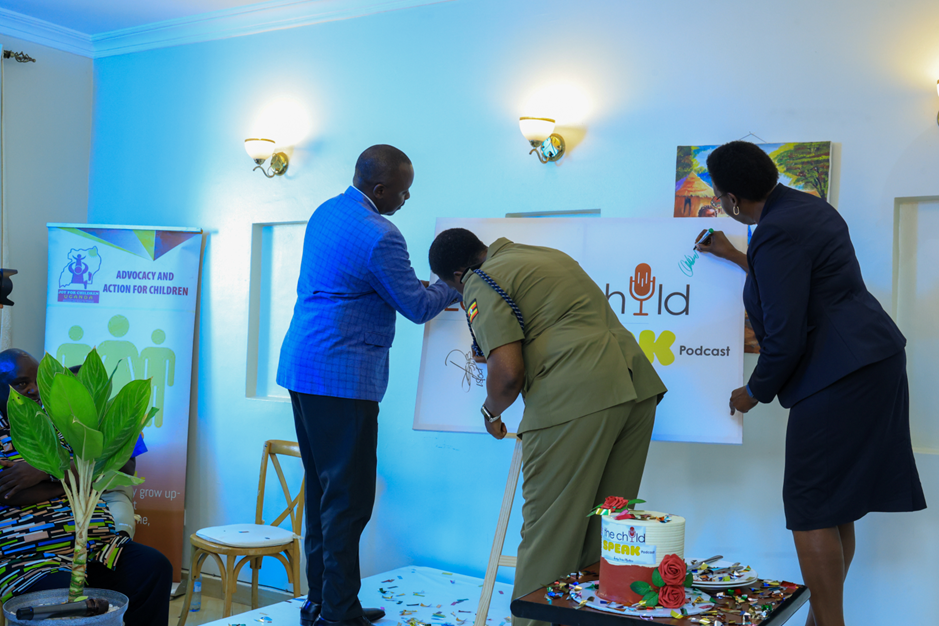 Through Let the Child Speak, JFCU seeks to harness these opportunities by creating an accessible, safe and inclusive platform where children can share their lived experiences, express their views, explore solutions and engage with adults on issues affecting their wellbeing.
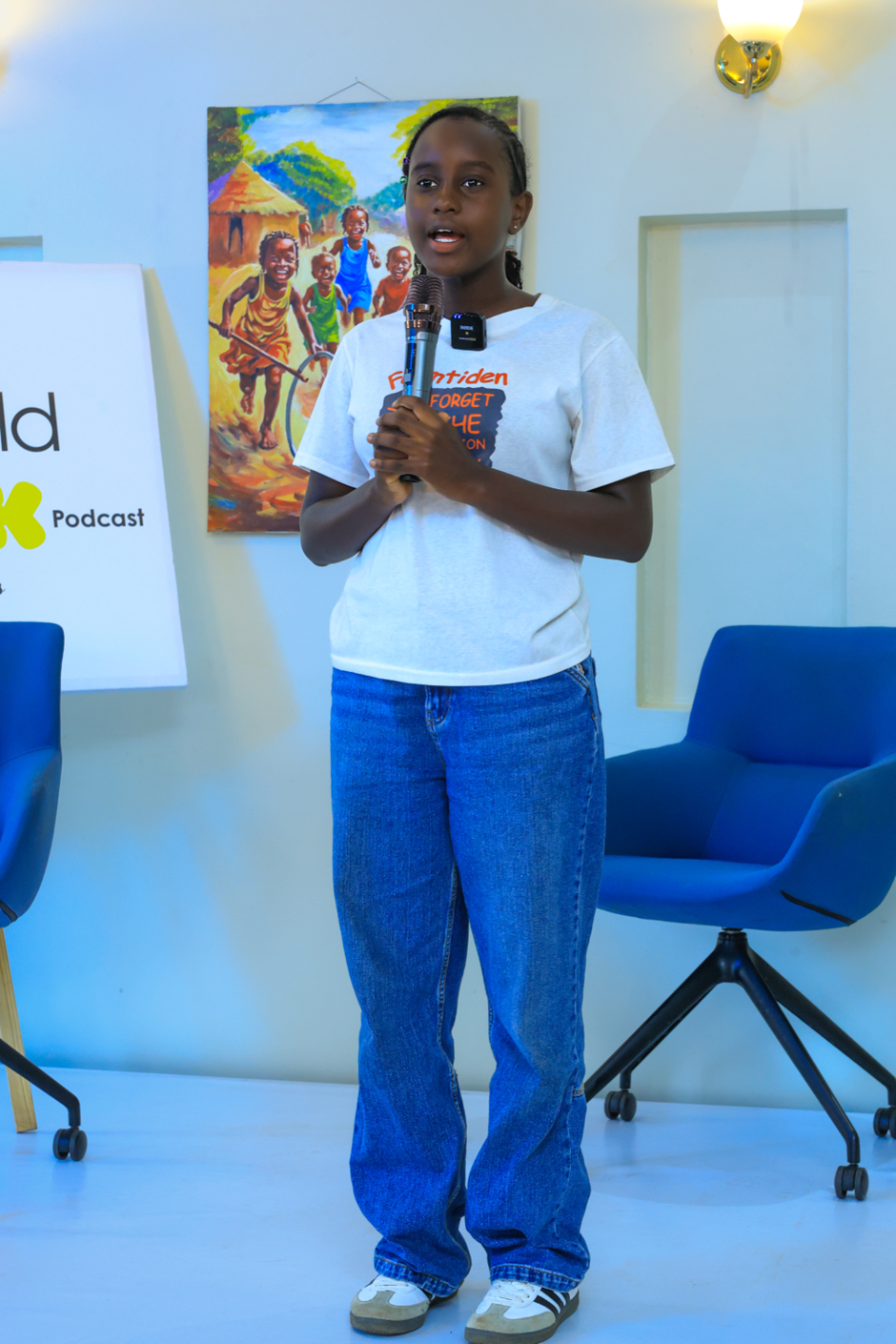 The podcast will extend beyond traditional studio conversations through school and community-based engagements, connecting children from different parts of Uganda, including underserved communities, refugee-hosting areas and minority groups.
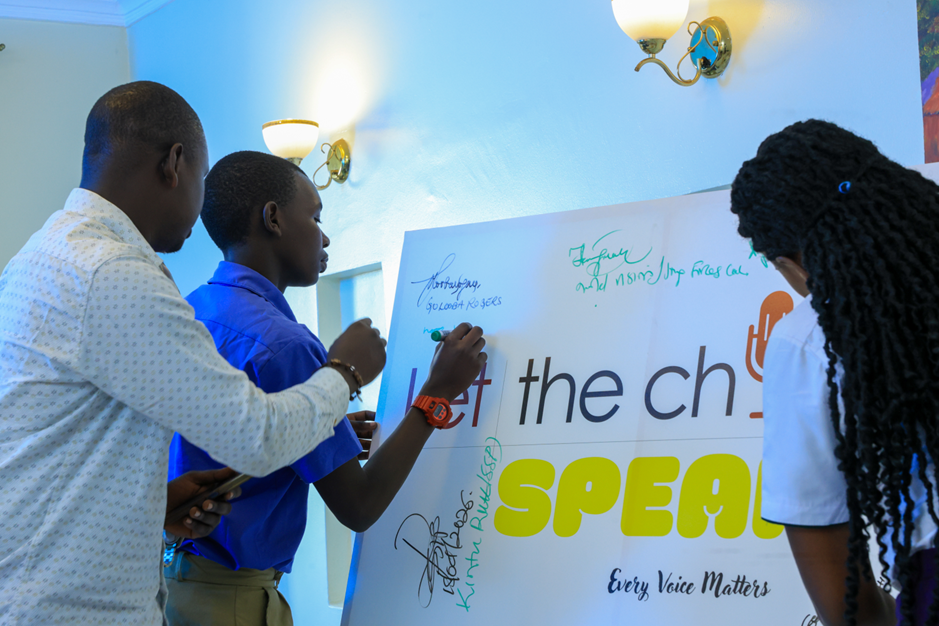 It will bring together children, parents, educators, child rights advocates, professionals and policymakers to encourage intergenerational dialogue and deepen understanding of children's experiences, needs and aspirations.
Conversations will explore a range of issues affecting children's lives, including child protection, violence against children, child marriage, education, health, nutrition, water and sanitation, inclusion, leadership and digital safety.
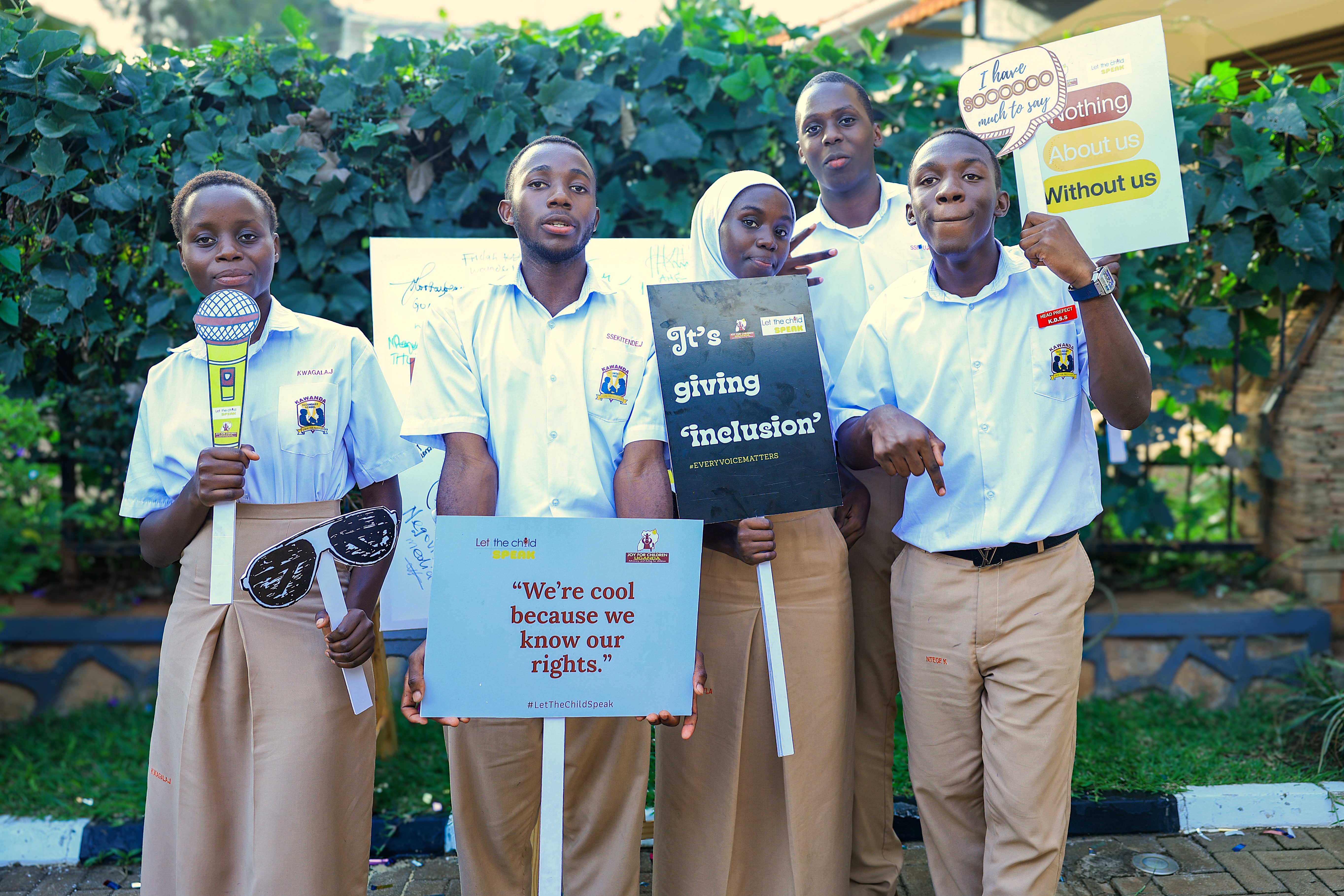
The launch of Let the Child Speak marks another milestone in JFCU's 20-year journey of championing children's rights and strengthening child participation in Uganda.
Ultimately, the podcast seeks to challenge the perception that children are simply recipients of decisions made by adults. Instead, it recognizes them as active contributors to conversations, ideas and solutions concerning their rights, protection and future.
As the platform takes conversations into schools, communities and digital spaces, JFCU hopes to nurture a culture where listening to children becomes an essential part of decision-making, rather than an occasional gesture.
Nothing about children should be decided without meaningfully involving them!
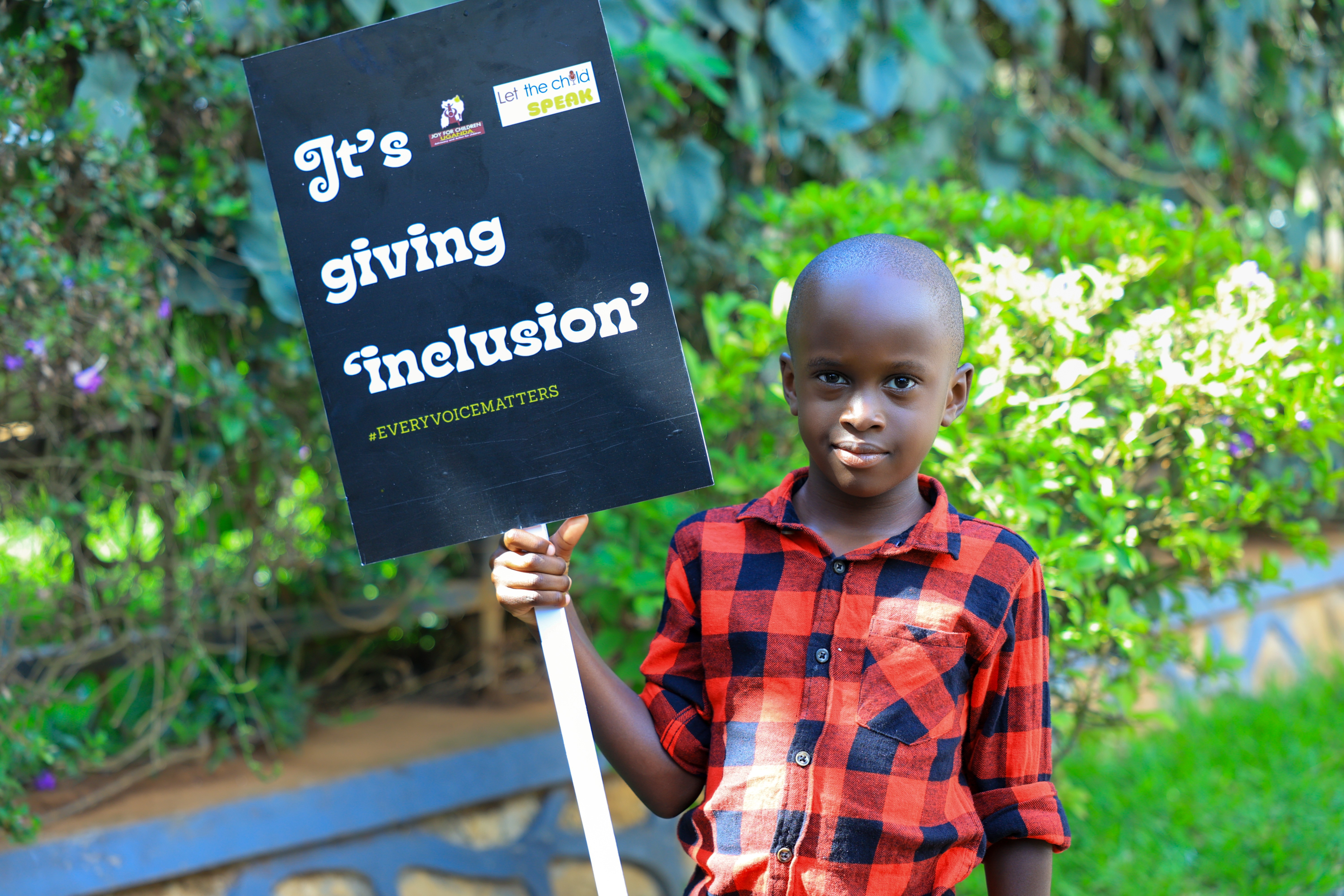
Every child has a voice, every voice matters, and every child deserves to be heard.