Mental health is an important part of every child’s wellbeing. It influences how children learn, build relationships, cope with challenges, participate in their communities, and grow into their full potential. Yet, children’s mental health is often overlooked, despite UNICEF estimating that approximately one in seven children and adolescents globally experience a mental health condition.
For children and adolescents living with HIV, the conversation around mental wellbeing is even more critical. Beyond taking antiretroviral therapy (ART) and attending regular clinic appointments, they may have to navigate stigma and discrimination, concerns about disclosure, treatment fatigue, social isolation, frequent illness, and anxiety about their future. These experiences can affect not only their emotional wellbeing but also their ability to remain engaged in HIV care and adhere to treatment.
The challenges do not exist in isolation. Poverty, family stress, violence, neglect, discrimination, and difficulties accessing appropriate psychosocial support can further affect the mental wellbeing of children living with HIV. For some children, the burden of living with HIV may therefore extend far beyond managing the virus itself.
In Uganda, access to specialized child and adolescent mental health services remains a challenge, particularly for children and families in underserved communities. Limited specialized personnel and infrastructure, stigma surrounding mental health, inadequate referral pathways, and the cost of accessing care can prevent children from receiving timely and appropriate support. Without the support they need, some children may resort to unhealthy or harmful coping mechanisms, further affecting their emotional wellbeing and overall development.
It is within this context that we continue to advocate for a holistic approach to the wellbeing of children living with HIV. Through the Babies Living Optimally and Opportunely with their Mothers (BLOOM) Project being implemented in Kampala, we integrate community and facility-based interventions to support young mothers aged 10-24 and their children with HIV testing, treatment, care, and support. Guided by the Kids to Care Model, a community-based and family-centred approach developed by Aidsfonds, the project follows the Find, Test, Treat and Stay framework to strengthen the HIV care journey and support lifelong treatment. However, supporting children to live well with HIV requires more than medication and clinic visits.
As JFCU works alongside children and families through the HIV care journey, there is a need to also consider the emotional and psychosocial realities that can shape their wellbeing. A child may be receiving treatment while silently struggling with stigma, anxiety, isolation, low self-esteem, treatment fatigue, or concerns about disclosure.
As we work towards ending HIV transmission and achieving the goal of ending AIDS by 2030, are we doing enough to ensure that children living with HIV are also mentally and emotionally well? This calls for an HIV response that looks beyond treatment outcomes and viral suppression to consider the whole child, ensuring they are not only supported to survive with HIV, but empowered to thrive.
Bringing the Conversation to the Forefront
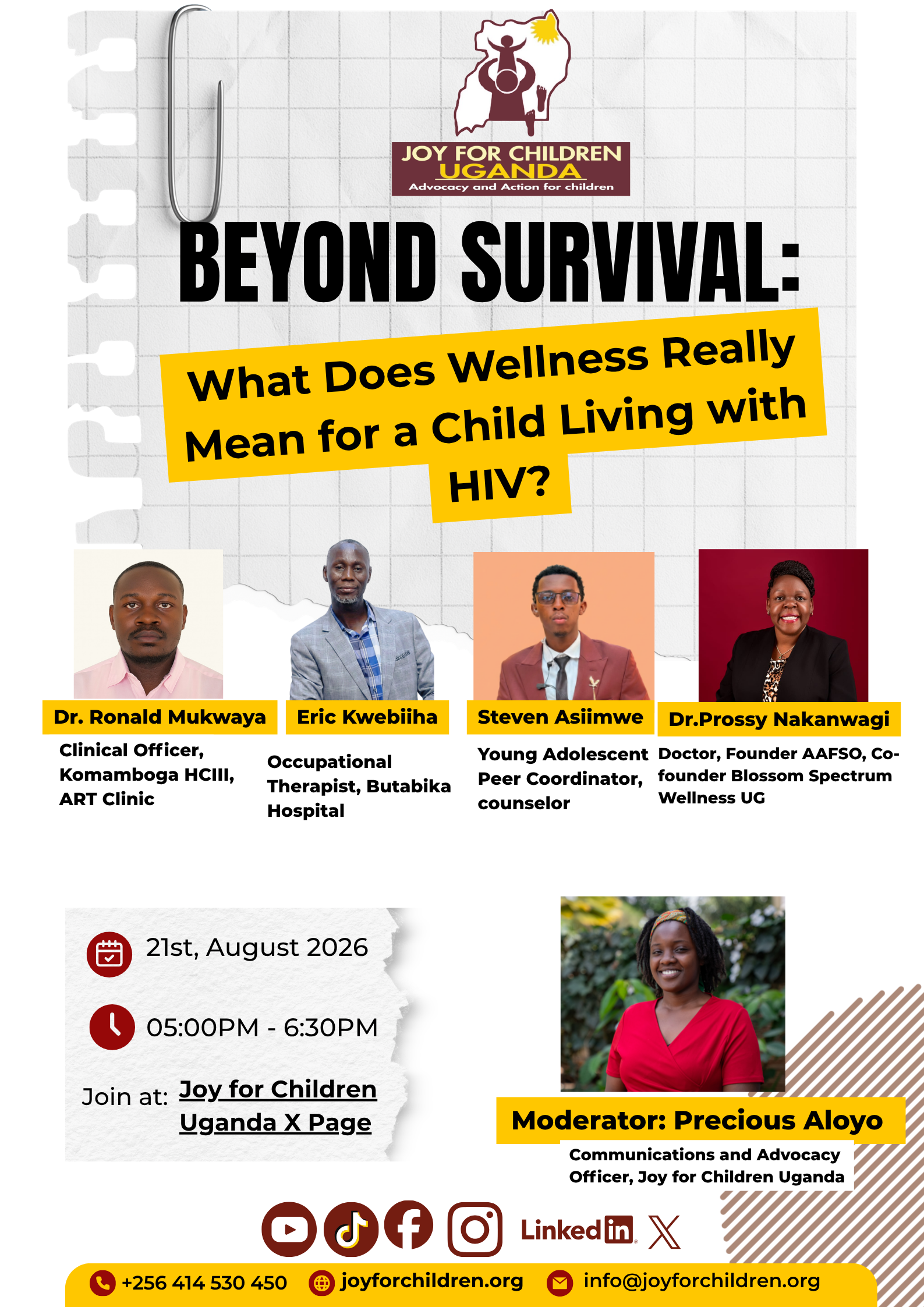
To create space for this often-overlooked conversation, Joy for Children Uganda hosted an X Space under the theme, “Mental Wellness in Children: Protecting Young Minds, Building Resilient Futures.” The discussion, titled “Beyond Survival: What Does Wellness Really Mean for a Child?”, brought together diverse voices from the health, mental health, HIV, and psychosocial support sectors.
The conversation featured Ronald Mukwaya, Clinical Officer at Komamboga Health Centre III, who brought a frontline healthcare perspective; Eric Kwebiiha, an Occupational Therapist at Butabika Hospital, who shared insights on mental health and rehabilitation; Steven Jasper Asiimwe, Young Adolescent Peer (YAP) Coordinator for Kampala, who brought the experiences and perspectives of young people; and Dr. Prossy Nakanwagi, Director of AAFSO and Co-founder of Blossom Spectrum Wellness UG, who contributed her expertise in mental health and psychosocial wellbeing in children.
The discussion explored how stigma and discrimination affect mental wellbeing, the connection between mental health and treatment adherence, the role of families and schools, access to psychosocial and mental health services, and the gaps within existing policies and programs.
Panel Contributions
Dr. Ronald Mukwaya
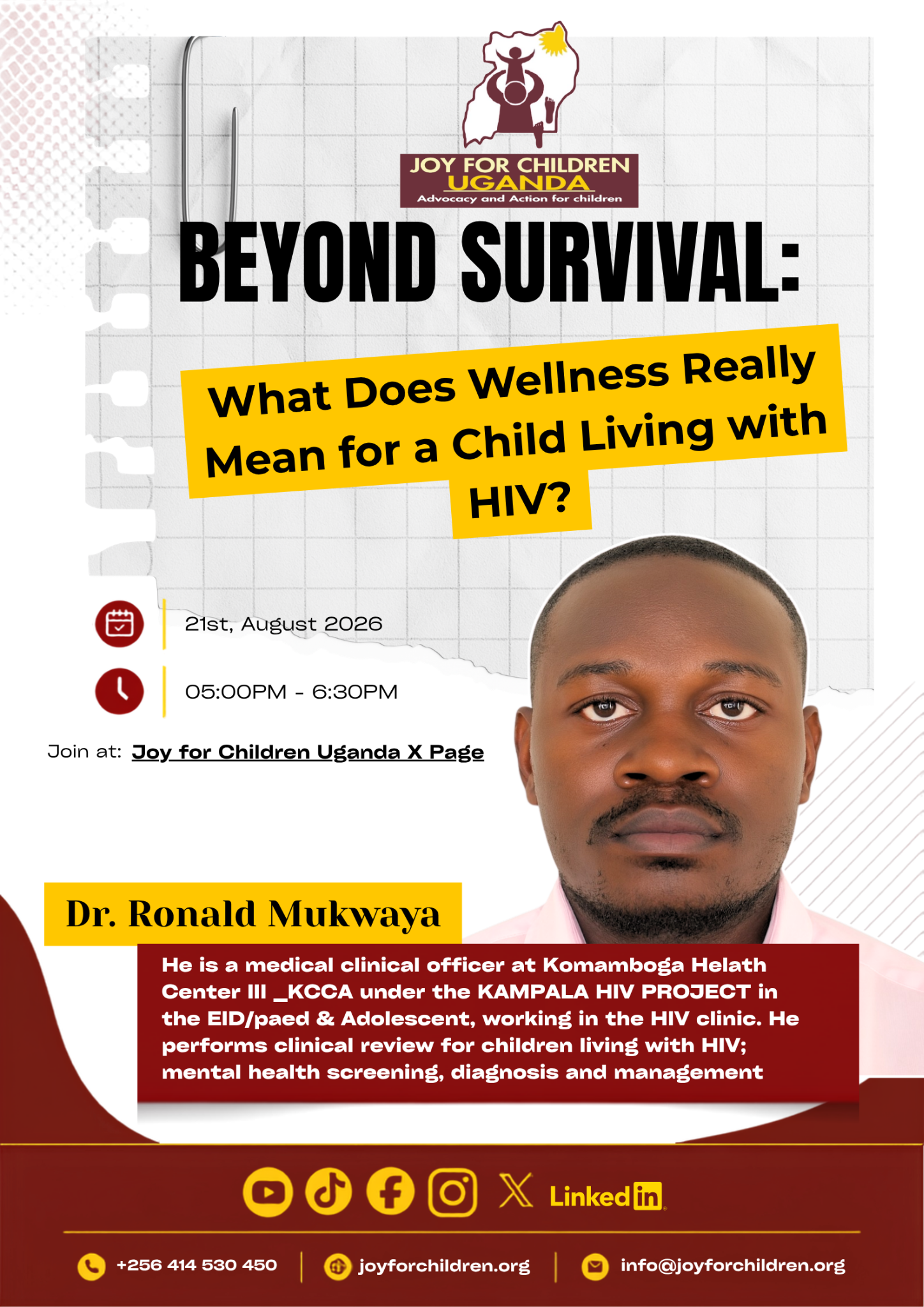
Ronald Mukwaya opened the conversation with an in-depth look at what healthcare looks like at the different health facilities. He specifically supports Komamboga in the Antiretroviral Treatment (ART) department, where they have a spectrum of activities and provide holistic services for mothers, children, and adolescents living with HIV. Ronald pointed out how Uganda seeks to control the HIV epidemic by 2040. He mentioned that the government mandates HIV screening, diagnosis, and management that incorporates mental health assessment, diagnosis, and management. The health facilities also do tracking through identification, surveillance, and prevention; the VHT arm carries out the referrals of cases identified in the community.
As Kampala Capital City Authority (KCCA), on behalf of the Ministry of Health, service provision is usually cascaded to guidance from standard policies drafted by the Ministry of Health and its stakeholders. Ronald mentioned that the most embraced is the Child and Adolescent Mental Health Policy Guideline, which is continuously cited in treatment manuals that are used to extend services to children and adolescents. This policy seeks to provide guidance to ensure that Uganda has children who are mentally sound.
Ronald highlighted two of KCCA’s main objectives in relation to HIV healthcare is the prevention of neurological and substance use disorders in children and adolescents, and improving access while building capacity. This is a very sensitive population that needs continued support either at the facility or at the community level.
Dr. Nakanwagi Prossy
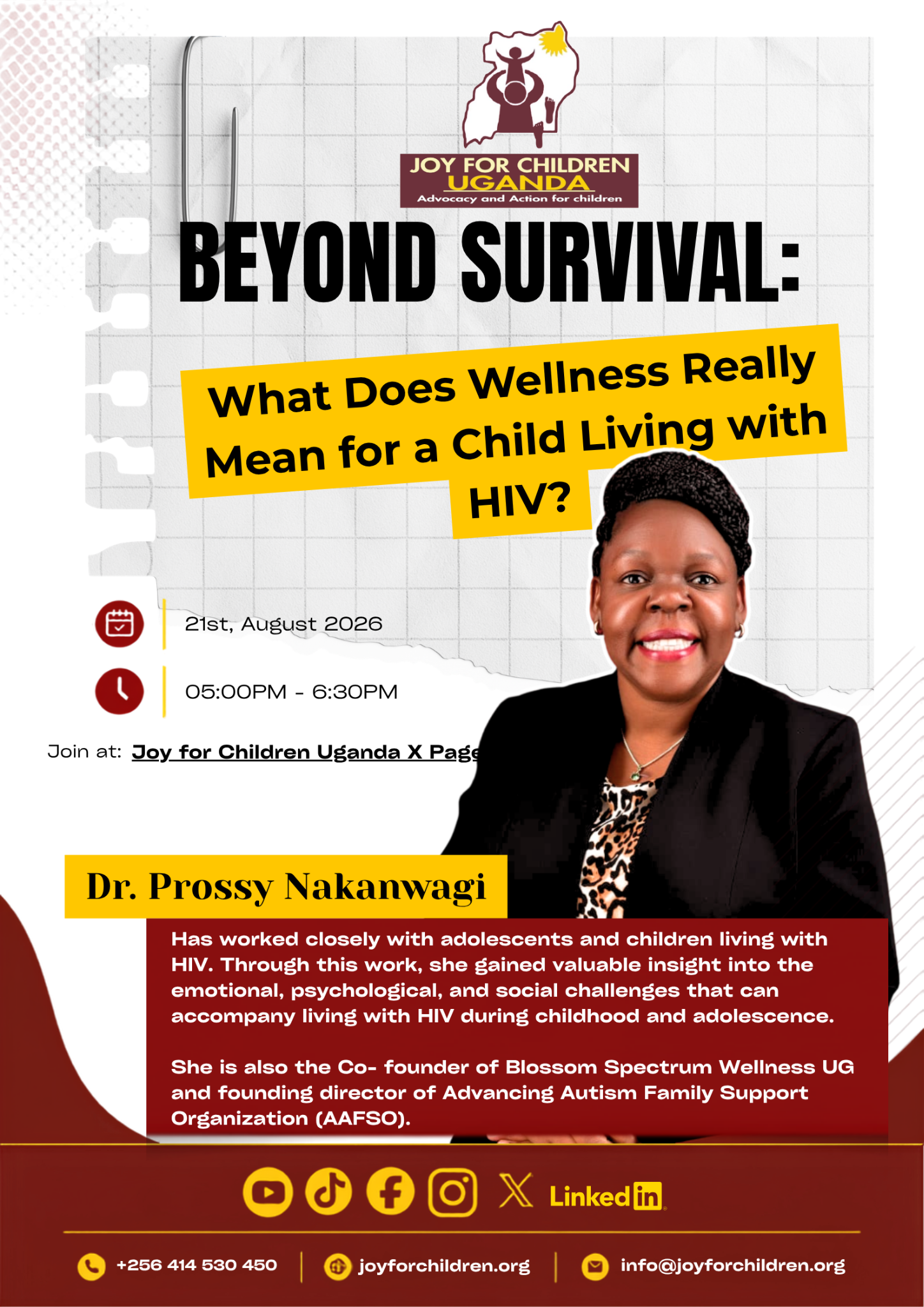
The first question directed to her required her to share what signs a parent, guardian, teacher, health practitioner, or member of the community should look for in a psychologically distressed child. Sometimes the signs that a child is psychologically distressed aren't so specific, and they cut across all children regardless of their HIV status. These signs include: anxiety, declining academic performance, irritability, loss of interest in activities they once found interesting, reduced or zero participation, and difficulties in sleep. For children living with HIV, Dr. Prossy mentioned that the signs that tell you they need help include repeated missed clinical visits, changes in medication, and a general sense of unworthiness. She encouraged parents to use these signs as an entry point for them to support their child, rather than blaming or shaming them.
As a proud mother to a son with autism, if she did find her son displaying any signs of psychological distress, she would definitely be worried. However, despite the initial worry, she advises parents and caregivers to support the child by seeking to understand what it is they are dealing with.
“While trying to understand why your child may be isolating themselves, always angry or declining academically,” Dr. Prossy states. She emphasises that adolescents and children should be matched with people they are comfortable with, saying that such people don't even have to be health practitioners, as long as the child or adolescent opens up comfortably with them. Because it can be hard to open up, children often isolate themselves.
Dr. Prossy additionally mentioned that these signs and symptoms of psychological distress are often amplified when these children are angry. Angry that they weren't told their status until it is too late, angry that they are hiding so much from the world around them, angry that they are always taking medication, or even angry at themselves. This anger should be and can be avoided by being open with these children. Telling them the necessary information attached to the HIV they are living with goes a long way in stabilizing them. Caretakers should not take for granted that these children are exposed and have received knowledge that is beyond them or that could destabilize them.
She went on to highlight that caretakers should adopt more creative ways of communicating with the children in their care. HIV is not just a medical condition; it has the power to affect their identity. Poor communication can lead to delayed understanding, increased isolation, and increased anxiety.
Steven Assimwe
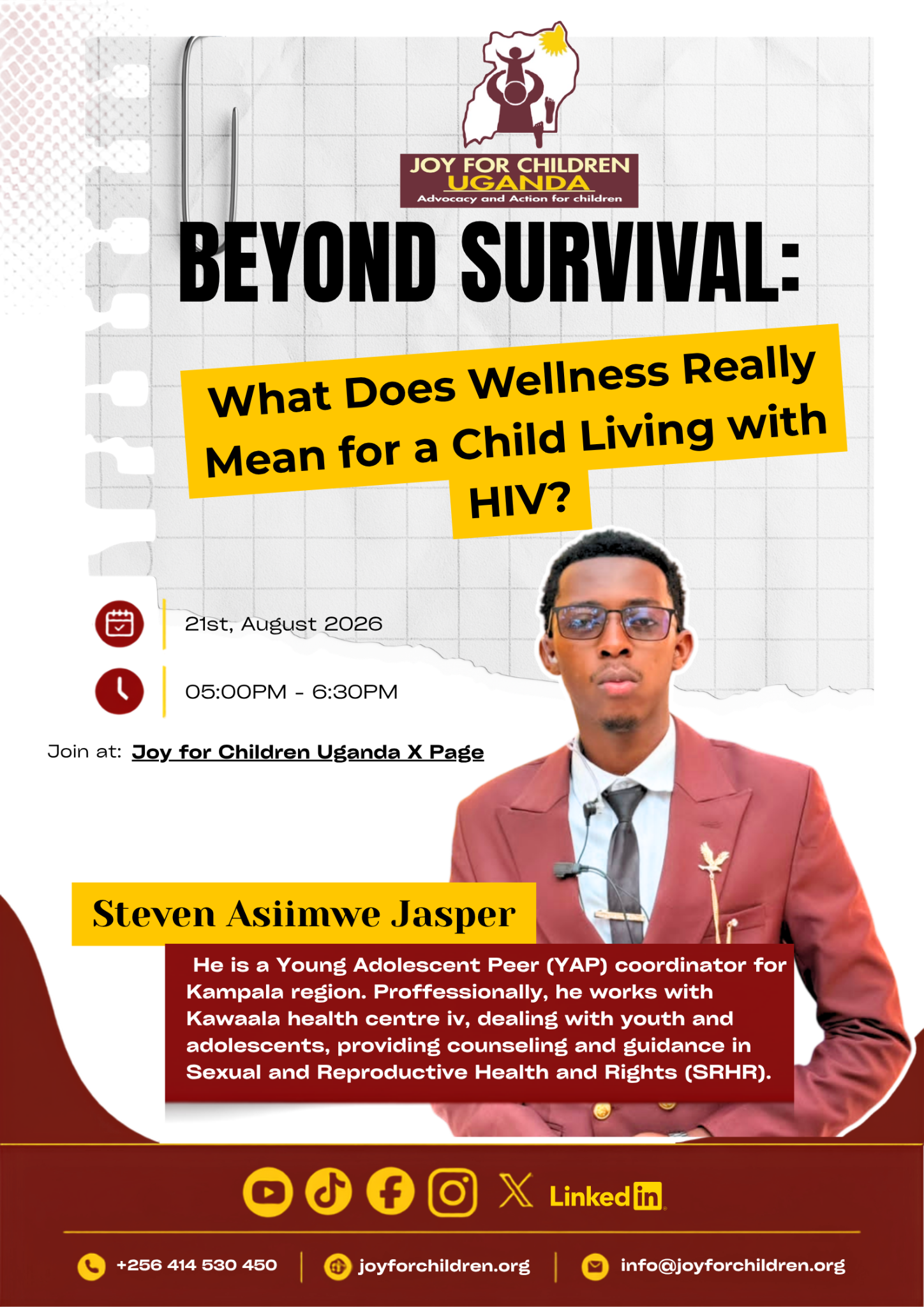
Steven Assimwe, the Young Adolescent Peer (YAP) coordinator for the whole of Kampala, mentioned that in his time working with adolescents and children living with HIV, they often fear seeking help or opening up about their mental health because they find it embarrassing and uncomfortable. Steven mentioned that adolescents like peer-to-peer support because then they are able to deal directly with individuals who somewhat understand them. He emphasized that both adolescents and children need safe spaces that are welcoming and filled with young people like them. This allows for them not to feel like they are alone, but rather to feel like they belong to a community of children who face the same challenges as they do. Steven further emphasized that safe spaces also include non-judgmental clinicians or doctors. Often, these young people face harsh judgements, rude and insensitive questions and statements from these health practitioners that often lead to missed visits and low self-esteem.
Eric Kwebiiha
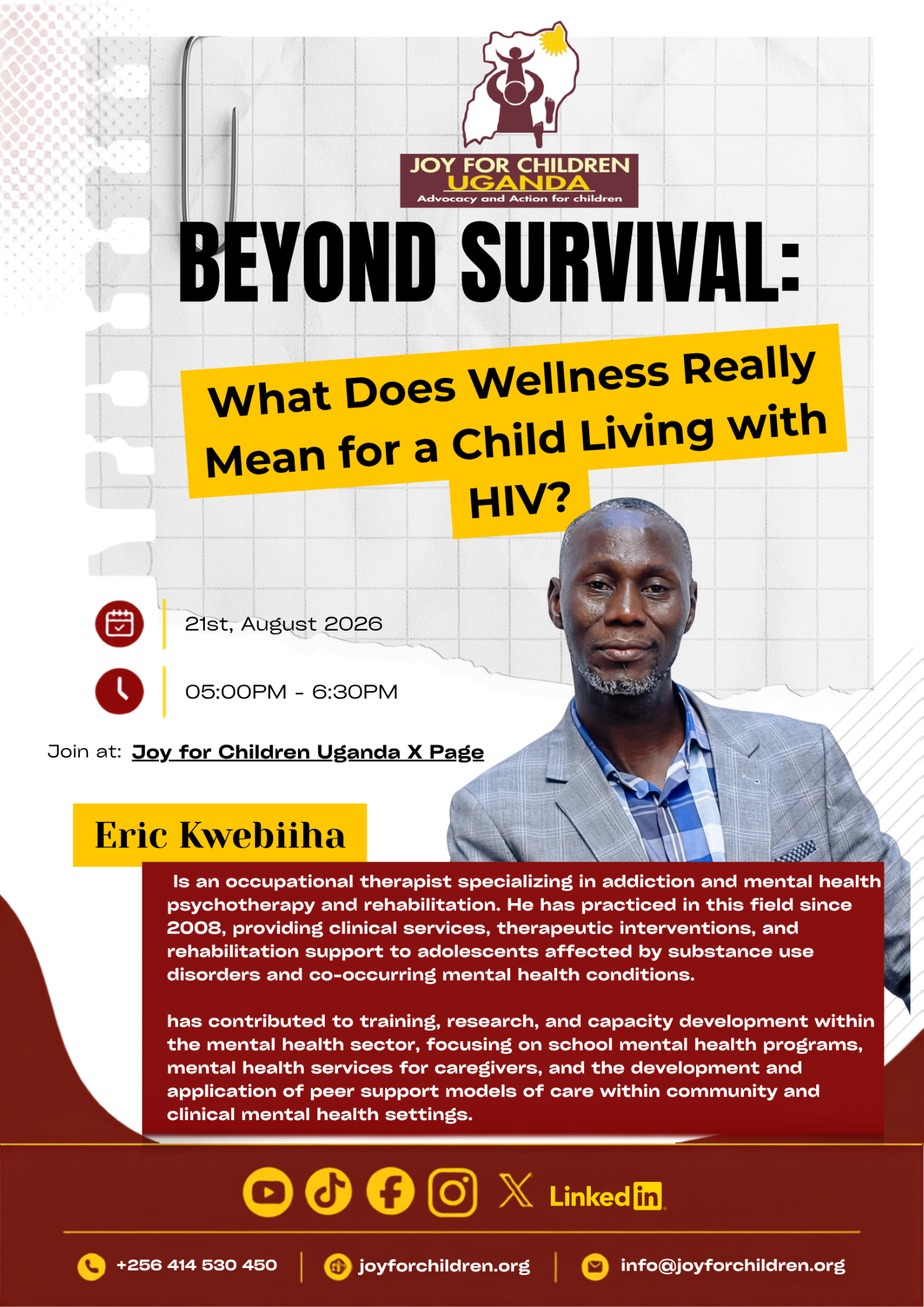
As one who has closely worked with adolescents, Eric Kwebiiha highlights that just as coping is difficult for adults, it is so for children as well. Dealing with significant change causes mental strain, and if one doesn't have the right means to cope, the brain naturally finds an alternative. He mentions that young people often find challenges with disclosure, saying things like, ‘My mom knows, but make sure my dad doesn’t find out.’ Additionally, if their medication has been found through accidental disclosure, it can lead to increased anxiety or a severe panic attack. He tells a story about a child who refused to return to their school because one of their classmates found out they were positive.
Due to stigma, these children are forced to live lives of secrecy, thus affecting their social and emotional development. All these, the secrecy and panic often result in the development of common health challenges: anxiety and depression. Eric emphasized that mental health services must be integrated into HIV treatment.
The common unhealthy coping habits include drinking alcohol, smoking marijuana, and consuming meth. All are harmful substances to the body when taken excessively for a lengthy period. Mr. Eric mentioned that caretakers should not be quick to condemn the bad behavior and label the child as defiant; rather, they should understand the why behind the action. It could be a means of coping with all that is overwhelming them. He says that it is important to relate emotions to behaviors.
The issues a child living with HIV faces can change their self-identity. Mr. Eric gave an example of a girl who thought she was ugly because she was HIV positive. Some struggle with loneliness; some don't feel fit to enjoy life, so they deprive themselves of fun and happiness. Other children and adolescents feel embarrassed to be seen taking HIV medication, so they either do it in hiding or change the packaging.
Another harmful coping mechanism adolescents and children have adopted is self-harm. He mentioned that anger and frustration are common in children and adolescents living with HIV. The ‘why me’ question is recurring amongst them, and as a way to cope with the frustration, some go on to infect others as well. A harmful and dangerous cycle that can be curbed before it grows out of control. Moreover, suicidal thoughts prevail, and worst when they are surrounded by death, they often think they are next. Mr. Eric stresses that at such points, their mental state is very fragile and they need as much support as possible.
Key Recommendations
The panelists also listed some practical solutions that could improve our outlook and reception towards children dealing with psychological distress. These solutions include;
Stronger mental health support within healthcare settings, schools, families, and communities.
Greater collaboration among government, health professionals, civil society, educators, parents, and young people.
Confidentiality should be upheld within and outside health facilities
Establish clinics that are fully youth-led, so that it is more comfortable for adolescents and children to seek and receive services.
Segregation of information to ensure that no category is left out in discussions
Increased guidance and support from caretakers
More awareness of HIV and increased advocacy on creating behavioral change for young people living with HIV.
Infrastructure
Increased safe spaces in communities
Strengthen staff capacity to ensure they maintain professionalism regardless of the age of their client
The health centers should maintain and establish relations with various hospitals, like Butabiika, for easy referral
Adoption of fun activities in the ART clinics, so that when the adolescents and children meet, they aren't just speaking of HIV, but are engaged in things like chess, dramas, movies, and robotics.
Child Support
Involve children living with HIV in the modalities of care and support rather than using force.
Support children to discover better and healthier coping mechanisms.
Children living with HIV who are suffering from psychological distress should embrace reading positive books that don't necessarily have anything to do with HIV; they should also engage in physical activities like sports or exercise.
Supporting young people in career advancement and education, encouraging them that they can still pursue education and achieve their dreams.
Monitoring to ensure they stay on medication at all times.
Empathize with these children who have to take medication for something don't fully understand yet.
At the heart of the conversation was a simple but important message: children living with HIV deserve more than survival. They deserve to thrive. Their wellbeing must be understood beyond their HIV status and measured not only by treatment outcomes, but also by whether they feel safe, supported, valued, included, and able to envision a healthy and fulfilling future.