International Day of Play: Championing Children's Right to Learn, Grow, and Play.
“1, 2, 3… 98, 99, 100! Ready or not, here I come!”
“Hey! You weren’t even closing your eyes!”
This is the kind of exchange that instantly transports you to a playground filled with laughter, running feet, and boundless imagination. Children darting between trees during a game of hide-and-seek, counting turns on the swings, or racing across a field in spirited games of tag. Every so often, a scraped knee, a burst of tears, or a disagreement over the rules interrupts the fun, but that’s all part of play.
To many, play is simply about having fun. The Cambridge Dictionary defines play as participating in a game, sport, or activity for enjoyment. For children, however, play is far more than entertainment. It is how they learn, build friendships, develop confidence, solve problems, stay active, and make sense of the world around them. For children, play is not a luxury or a reward, it is a fundamental right and an essential part of every child’s healthy development.
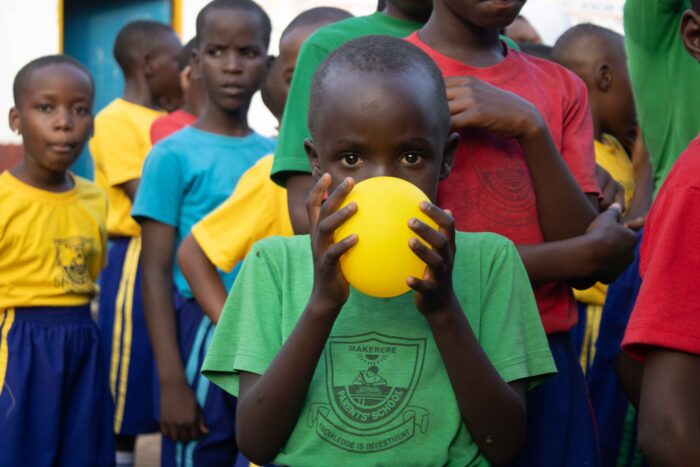
The International Day of Play, commemorated annually on 11 June following its adoption by the United Nations General Assembly, serves as a global reminder that play is recreational, but also a fundamental right of every child. This right is enshrined in Article 31 of the United Nations Convention on the Rights of the Child (UNCRC), which guarantees every child the right to rest, leisure, recreation, and participation in play and cultural activities. Beyond recognizing children’s rights, the observance also reinforces global commitments to sustainable development, particularly Sustainable Development Goal (SDG) 4.2, which calls for inclusive and equitable quality education by promoting the holistic development of every child.
Play is critical to a child’s holistic development. It strengthens cognitive abilities, builds emotional resilience, enhances creativity, improves physical health, and nurtures social skills. Yet around the world, this essential right is denied to millions of children due to poverty, violence, child labour, displacement, malice and unsafe environments.
According to the International Labour Organization approximately 160 million children are engaged in child labour globally, depriving many of both education and the opportunity to play. In Uganda, the situation remains equally concerning. The Uganda Bureau of Statistics estimates that approximately 6.2 million children aged 5–17 years are engaged in child labour, particularly in agriculture, domestic work, fishing, street vending, and small-scale trade. These realities not only expose children to exploitation but also rob them of the chance to experience a healthy and fulfilling childhood.
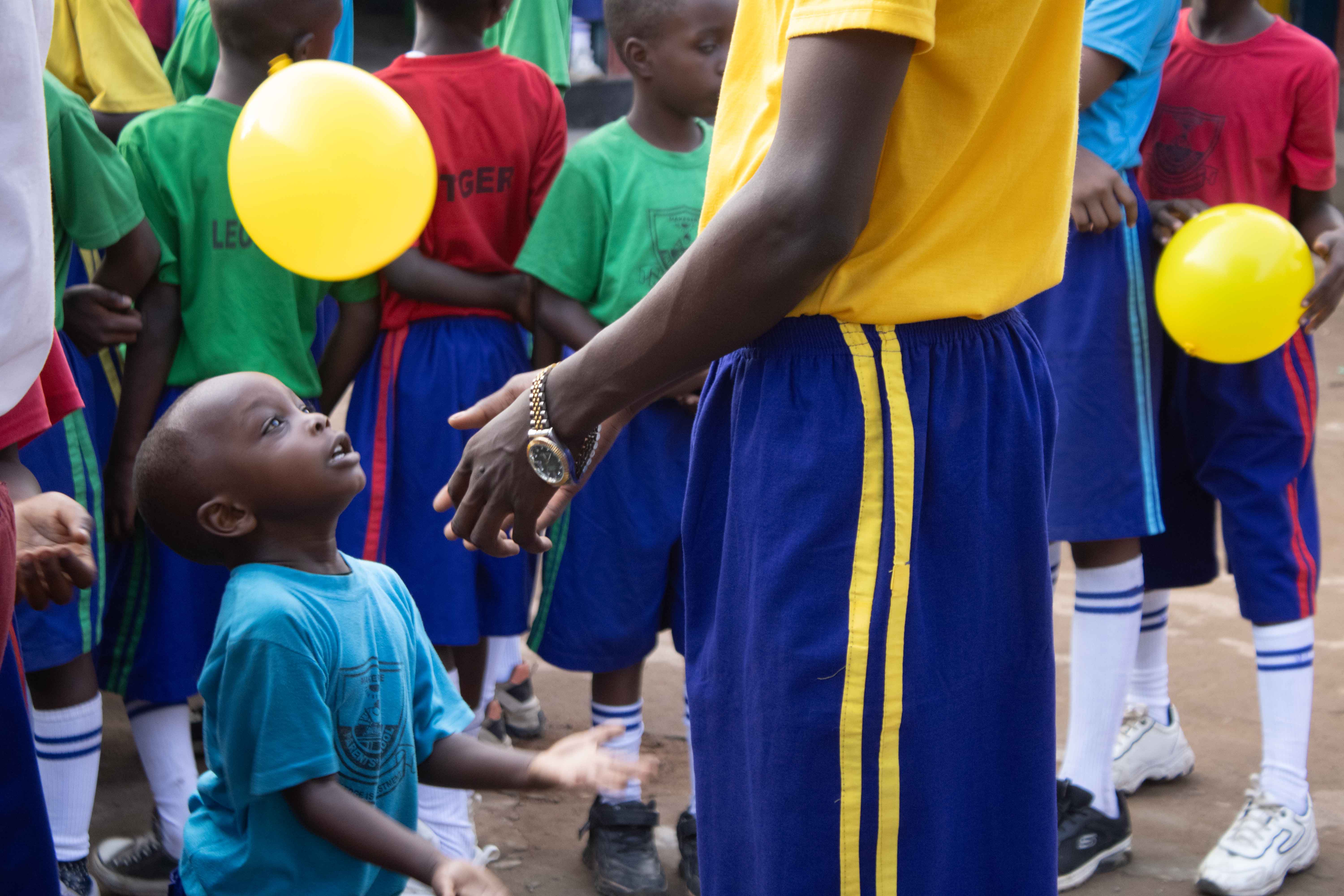
Recognizing these challenges, Joy for Children Uganda commemorated the International Day of Play through an interactive, child-centred play-filled afternoon at Makerere Parents School. Located in Kawempe, one of Kampala’s most vulnerable communities, the school serves children growing up in an environment characterized by high population density, economic hardship, poor drainage systems, and frequent flooding due to its low-lying terrain.
Despite these challenges, the school represents a commitment to ensuring children have access to education and opportunities to thrive. Through this engagement, JFCU reinforced that education and play are not competing priorities, but complementary elements of a child’s holistic development. By creating a safe and engaging space for children to play, learn, and express themselves, the activity emphasized that every child, regardless of their circumstances, deserves the opportunity to enjoy childhood while developing essential skills for the future.
The event began with an interactive session involving pupils from upper primary. In his opening remarks, Joy for Children Uganda’s Executive Director, Moses Ntenga, introduced the organization and highlighted the vital role that play plays in every child’s development, learning, and overall well-being.
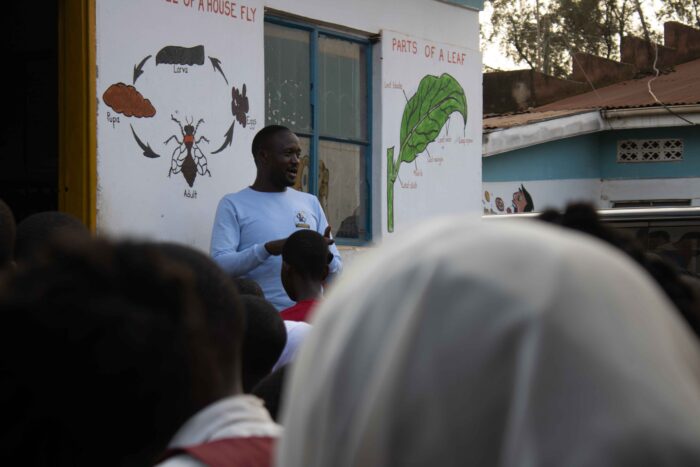
Rather than simply speaking to the children, the team encouraged them to actively participate in discussions. Divided into smaller groups, the learners reflected on why play matters. Their responses demonstrated a clear understanding of its value.
“It helps us exercise and keep our minds active,” one child shared.
Another child revealed that, at times, teachers withhold play as a form of punishment, explaining how upsetting it makes them feel. This conversation highlighted just how meaningful play is in promoting children’s happiness, alertness, and overall well-being, while also reinforcing that play should never be viewed as a privilege but as a right.
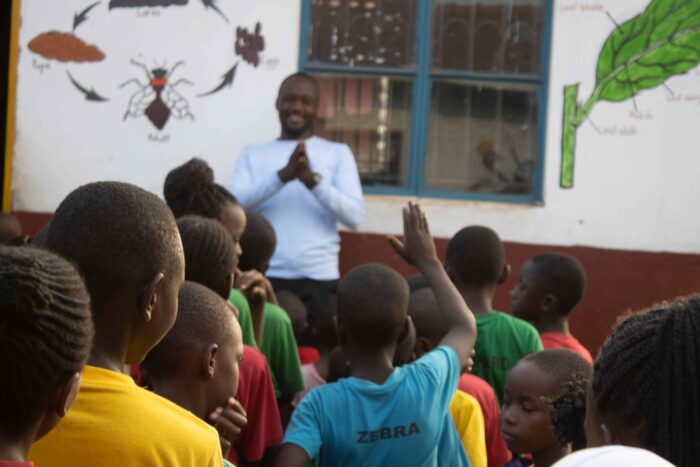
The discussions also explored how games improve critical thinking, coordination, teamwork, and problem-solving skills. Football quickly became the example many pupils related to, with children explaining how players must think quickly, make strategic decisions, and work together to score goals.
After the discussions, learning transitioned into action.
Children participated in a variety of fun and engaging games designed to reinforce teamwork, confidence, communication, and coordination. One group played a hand-and-ball coordination game that challenged participants to clap before bouncing the ball to the next player, encouraging concentration and rhythm.
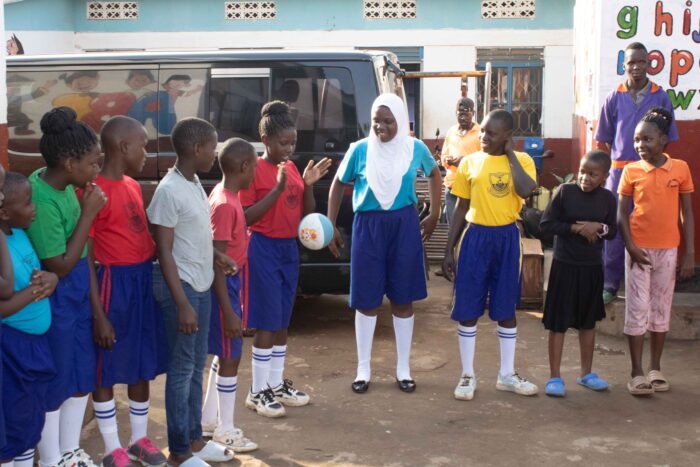
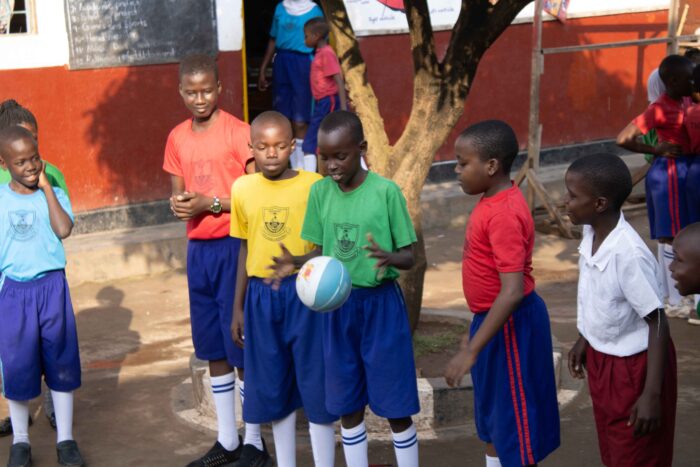
Another group took part in a public speaking game where children passed a ball around while music played. Whenever the music stopped, the child holding the ball stepped into the centre, introduced themselves, and shared an interesting fact about themselves. The activity built confidence while creating an inclusive environment where every child had an opportunity to be seen and heard.
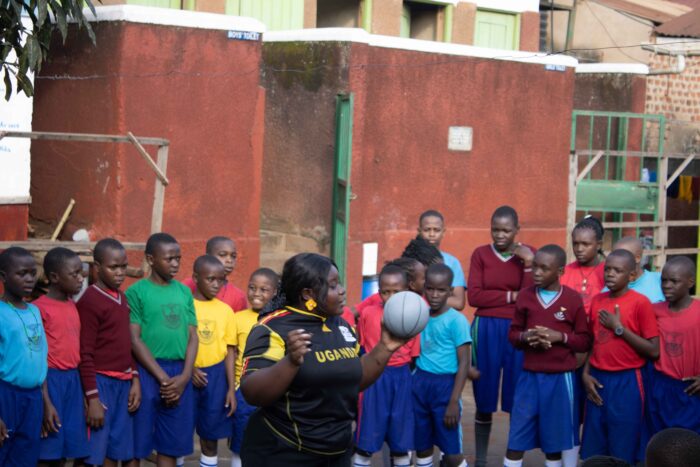
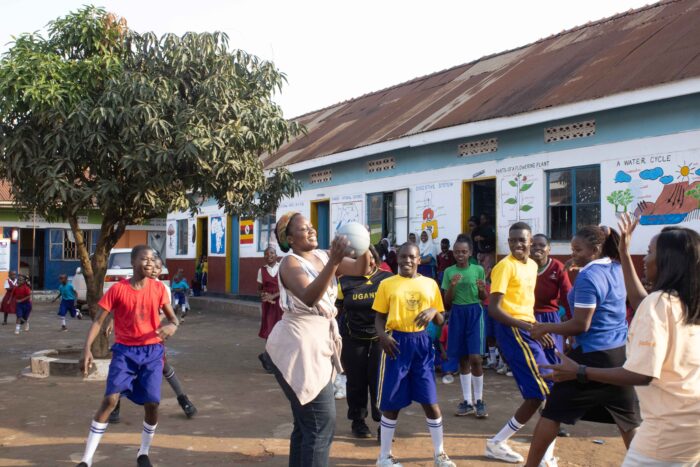
The excitement continued with a team coordination game similar to netball, where the JFCU team, together with teachers and selected pupils, worked together to keep possession of the ball while preventing the opposing team from intercepting it. Laughter, cheering, and teamwork filled the playground as children demonstrated remarkable enthusiasm and cooperation.
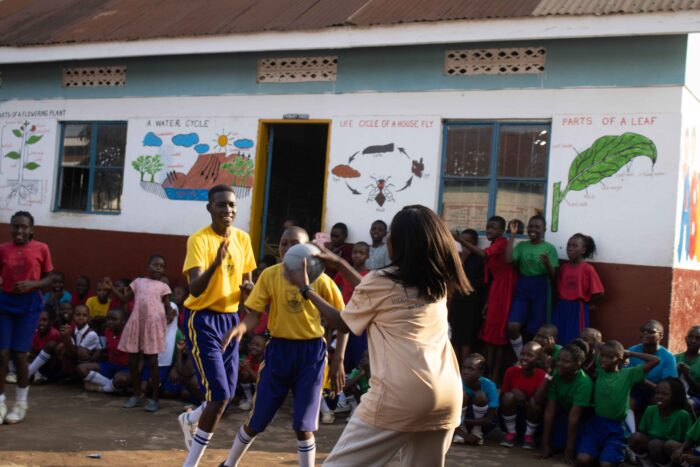
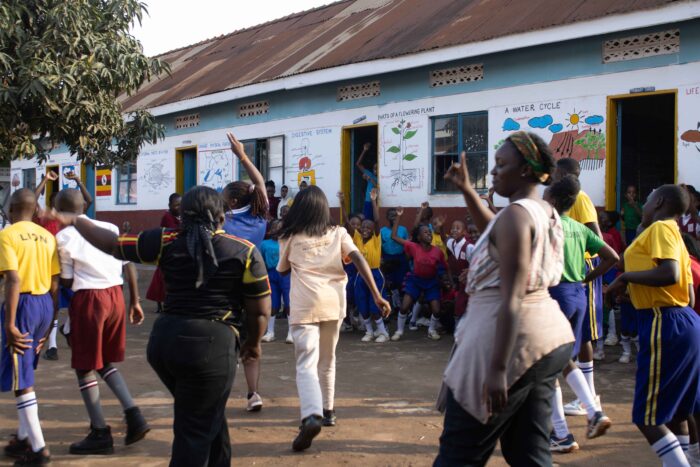
The highlight of the day was undoubtedly the sack race. In a spirited competition, the JFCU team competed against teachers and pupils from Makerere Parents School. The race featured a creative twist: participants hopped across the finish line carrying a balloon, inflated it upon reaching the opposite side, and raced back with the fully blown balloon. The unique challenge sparked endless laughter and enthusiastic cheers from children watching from the sidelines, creating memorable moments for everyone involved.
Beyond the excitement, the activities reinforced an important lesson: Play is a powerful tool for learning.
Throughout the engagement, children were reminded of their rights and that when those rights are violated, they should seek support from trusted adults and report incidents to appropriate authorities within their schools or communities. The discussions strengthened children’s understanding of available reporting mechanisms while empowering them to speak up whenever they feel unsafe.
The activity concluded with appreciation from both the Joy for Children Uganda team and Makerere Parents School. As part of its commitment to promoting children’s right to play, JFCU donated sports balls to the school and pledged to return for an even bigger celebration in the future.
Children experienced a safe environment where they could freely express themselves through play while gaining a deeper appreciation of their right to recreation. Many learned for the first time that there is a global day dedicated to celebrating play, prompting one curious pupil to ask whether children only get one day to play each year. The response from the JFCU team was simple but powerful: while one day is set aside globally to celebrate the right to play, every day should provide children with opportunities to learn, grow, and play.
As Uganda continues to address challenges such as child labour, violence against children, and school dropout, creating opportunities for children to play remains an investment in their future. Through initiatives like this, Joy for Children Uganda continues to champion children’s rights by ensuring that every child is given the opportunity not only to survive, but to learn, grow, thrive, and simply enjoy being a child.