Sponsoring Children in Uganda: James’s Story
Every child deserves the opportunity to learn, play, and thrive. Yet for many children living in Uganda’s informal settlements, poverty and disability create barriers that make these basic rights difficult to realize.
At six years, James (not his real name) should be in school, learning, playing, and growing alongside his classmates. Instead, he spends most of his days at home, waiting for an opportunity to enter a classroom.
His story reflects a reality faced by many children living in Uganda’s informal settlements, where poverty and disability often create barriers to education, healthcare, and other essential services.
The World Bank describes disability and poverty as sharing a vicious, cyclical relationship, where each reinforces the other. While disability can result from genetics, postnatal illnesses, environmental conditions, and complications during pregnancy and childbirth, poverty can significantly increase the challenges faced by children and families living with disabilities by limiting access to healthcare, rehabilitation, education, and social support.
For families living in Uganda’s underserved informal settlements, this cycle of disability and poverty is a daily reality.
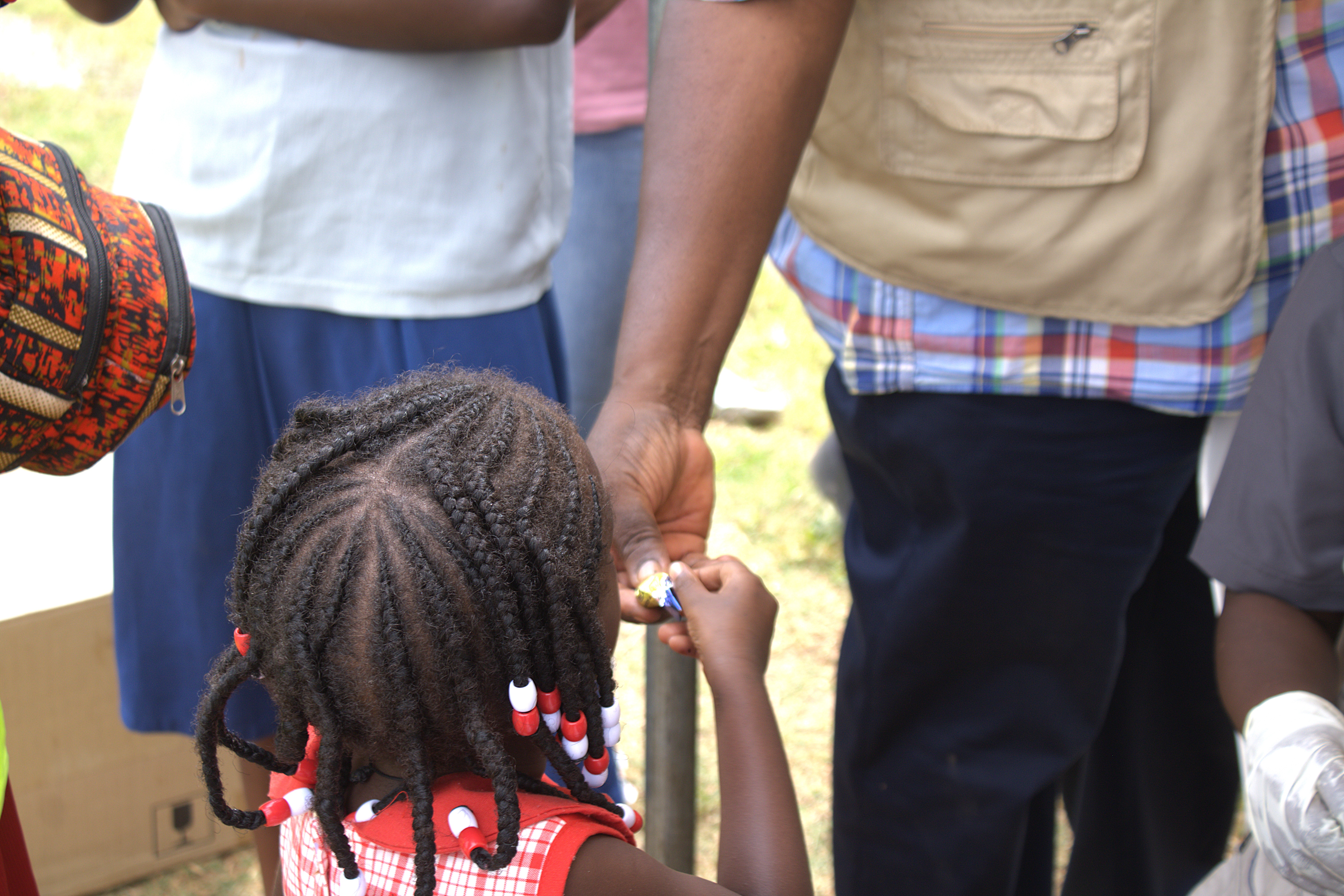
During a community outreach in Bwaise, one of Kampala’s densely populated informal settlements, A team from Joy for Children Uganda (JFCU), together with a community leader, meet James, a young boy living with cerebral palsy.
Cerebral palsy is a neurological condition that affects movement, muscle coordination, speech and posture due to damage or disruption in the developing brain. Its impact varies from person to person; for some individuals, it may affect mobility, balance, communication, or the ability to carry out daily activities independently. (National Institute for Neurological Disorders and Stroke)
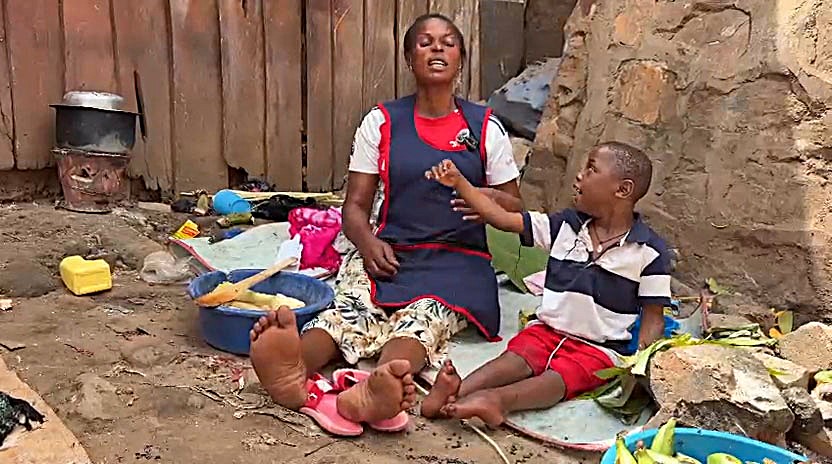
Inside a small, modest one-room home, James sat quietly at the doorway, watching as life continued around him. His home is shared with his mother, who lives with monocular vision loss, and his five siblings.
Despite her visual impairment and the many challenges facing her family, James’s mother has remained determined to provide for her children. She previously earned a living through food vending on the streets, working hard to meet the needs of her family and support her children’s education. However, after the recent trade order, she now has to sell her food door to door, which has led to a huge reduction in the profits she makes.
This story reflects the difficult reality of families caught between disability and poverty. Limited financial resources have affected their ability to access healthcare, rehabilitation services, education, and other essential services. At the same time, caring for a child with additional needs has made it harder for the family to overcome economic hardship. Not only is James constrained by his mother’s financial situation, but by his physical condition as well. Research states that all children with disabilities are roughly two to four times more likely to be out of school than non-disabled children.
James’s experience highlights the vulnerability of children whose education is interrupted by disability and health challenges, particularly in low-income communities where families may struggle to access timely medical care, rehabilitation, and educational support.
However, behind the challenges is a mother’s resilience and hope. James’s mother believes that through support from Joy for Children Uganda’s Sponsor a Child Programme, her son can receive the assistance needed to improve his mobility, return to school, and continue his education.
Joy for Children Uganda Restores Hope
Stories like James’s are why Joy for Children Uganda remains committed to advancing children’s rights through the principles of non-discrimination, participation, the best interests of the child, and every child’s right to life, survival, and development.
Through the Child Sponsorship Programme and the Kampala Slum Women Project, JFCU works to provide sustainable, community-driven solutions that restore dignity, strengthen families, and create opportunities for vulnerable children and women.
Today, James’s story carries renewed hope.
James has been enrolled in the Joy for Children Uganda Child Sponsorship Programme, giving him an opportunity to access the support he needs to continue his education and improve his quality of life. His mother has also joined the Kampala Slum Women Project, where she will receive support to rebuild her livelihood and strengthen her family’s future.
How Your Support Can Help James
Through your support, James can receive:
- Educational support to help him start and stay in school.
- Medical follow-up and rehabilitation services to improve his mobility and overall well-being.
- Nutritional support to strengthen his health and recovery.
- Psychosocial support to support his emotional and social development.
- Household livelihood assistance to help his mother rebuild a sustainable source of income.
These interventions go beyond addressing immediate needs, they help strengthen families and create opportunities for children to thrive.
Sponsor a Child and Save a Life
Your support can help a child access education, healthcare, rehabilitation, protection, and the opportunity to thrive. By sponsoring a child, you also help strengthen families by supporting caregivers with sustainable livelihood opportunities.
Every contribution, big or small, can help transform a child’s future.
You can support children like James through the Donate button and support our campaigns including: “Empower Children and Women in the Slums of Kampala” and “Sponsor a Child in Uganda.”
Together, we can help break the cycle where poverty limits opportunity and disability becomes a barrier to a child’s dreams.