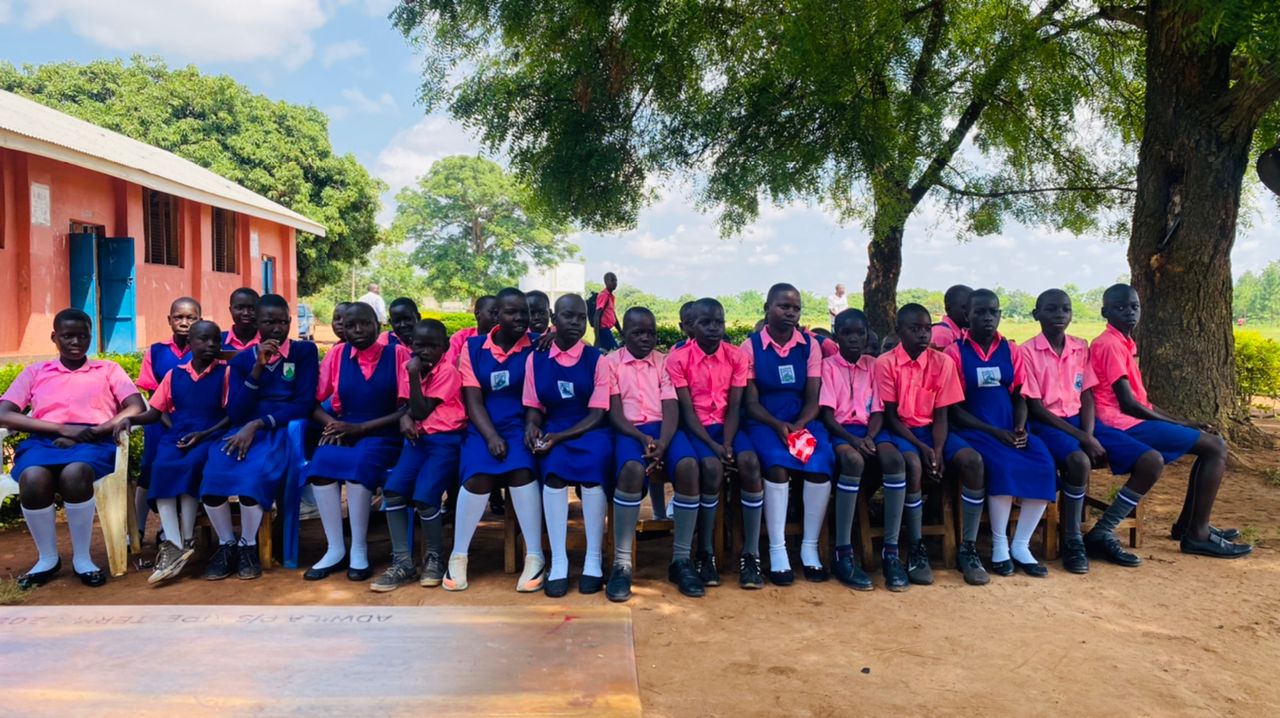
At Joy for Children Uganda, we recognize education as a fundamental human right and one of the most powerful tools for transforming the lives of children, families, and communities. Education equips children with the knowledge, skills, values, and confidence they need to make informed decisions, realize their full potential, exercise their rights, and contribute meaningfully to society. It lays the foundation for lifelong learning, personal growth, and economic empowerment, while fostering resilience and hope for a better future.
Despite its importance, access to quality education remains a challenge for many children in Uganda. According to Human Rights Watch, nearly 70% of children do not complete primary education, while only 40% of all students successfully finish primary school. Millions of children continue to face significant barriers that limit their ability to enroll, attend, and remain in school. These barriers include poverty, child labour, child marriage, teenage pregnancy, gender inequality, inadequate learning resources, and other forms of social and economic vulnerability. Such challenges disproportionately affect children from marginalized and low-income households, placing them at greater risk of exclusion from educational opportunities.
Access to quality education enables children to acquire essential life skills, build self-confidence, and develop the critical thinking abilities needed to navigate everyday challenges. Education also serves as a protective factor, reducing children's vulnerability to abuse, exploitation, child marriage, teenage pregnancy, and other harmful practices. Children who stay in school are more likely to enjoy improved health outcomes, secure better livelihood opportunities, and break cycles of poverty and vulnerability.
We believe that ensuring children remain in school requires more than simply providing access to classrooms. It demands supportive families, safe learning environments, empowered communities, and systems that address the social and economic barriers that prevent children from learning and succeeding. By working with children, parents, caregivers, schools, and community stakeholders, we strive to create safe and supportive environments that promote educational attainment and enable every child to reach their fullest potential.
GOAL
To increase enrollment, retention and achieved learning outcomes of children in schools.
STRATEGIC INTERVENTIONS
Promoting Safe and Inclusive Learning Environments
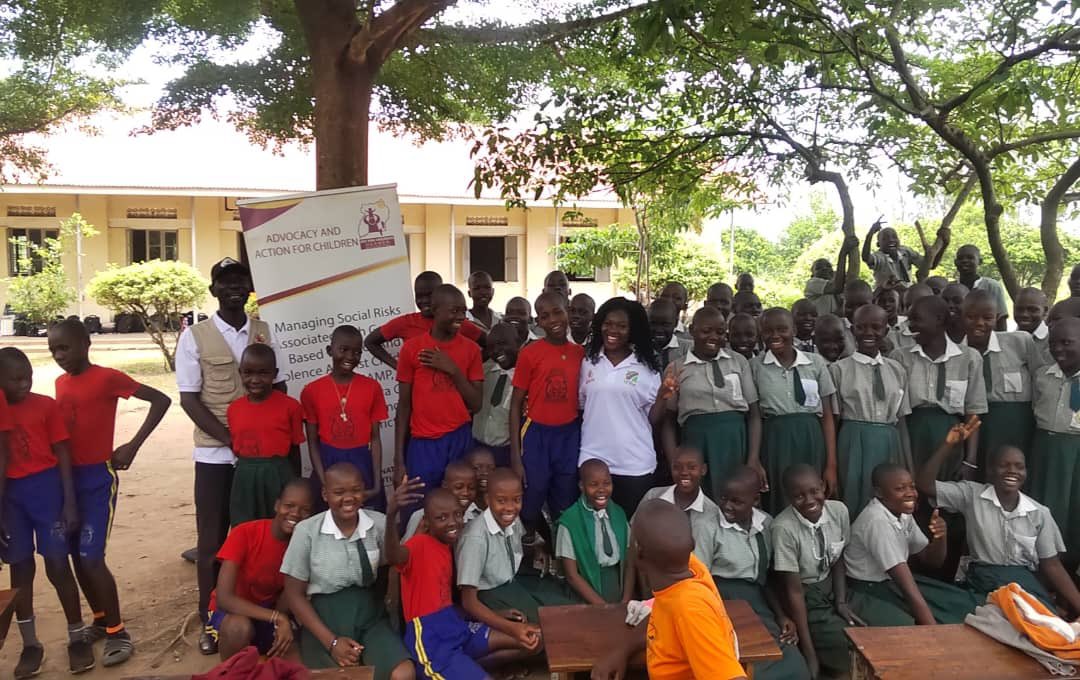
JFCU works with teachers and school administrators to create child-friendly school environments that encourage enrolment, participation, and retention. Through targeted capacity-building initiatives, teachers are equipped with skills in positive discipline, alternatives to corporal punishment, and menstrual hygiene management to ensure that schools are safe and supportive spaces for all learners.
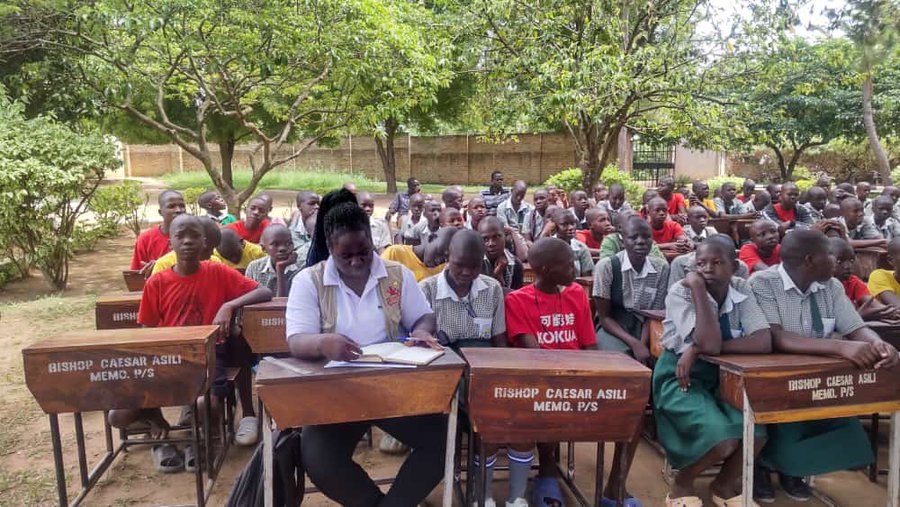
Strengthening Child Guidance and Counseling
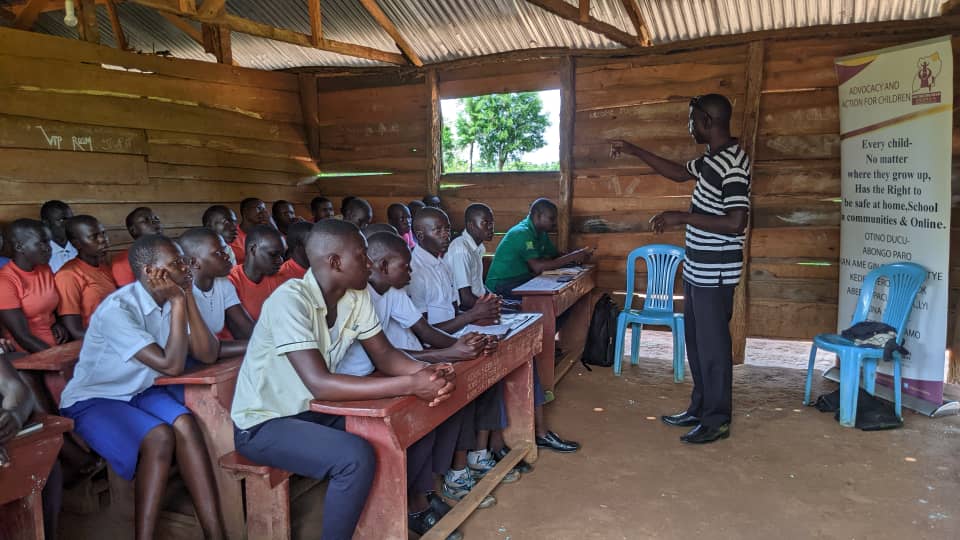
We train senior men and women teachers, matrons, and other school-based mentors in child counseling and psychosocial support. This helps children navigate school-related challenges, improve their well-being, and reduce the risk of school dropout.
Empowering Children Through Rights Awareness
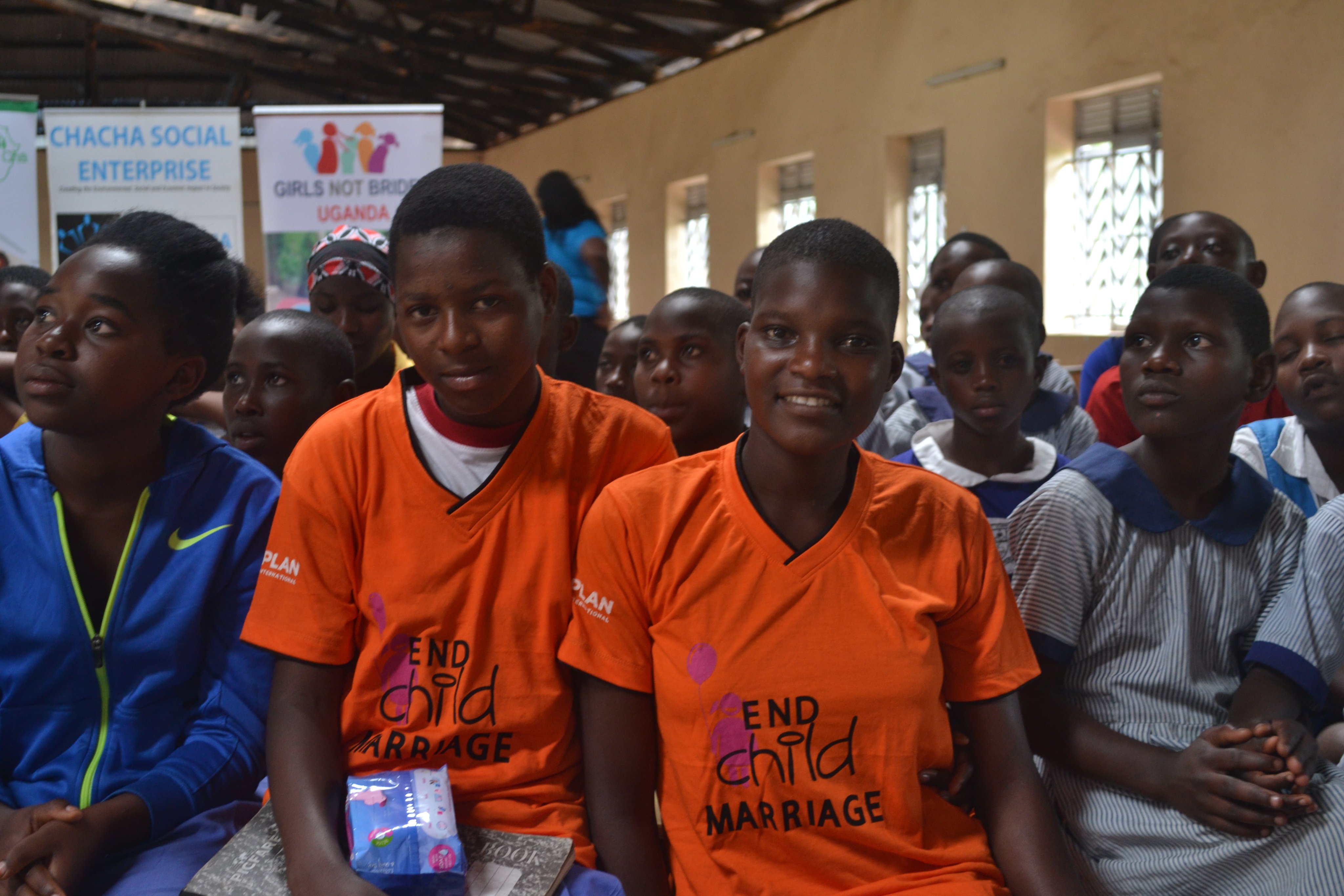
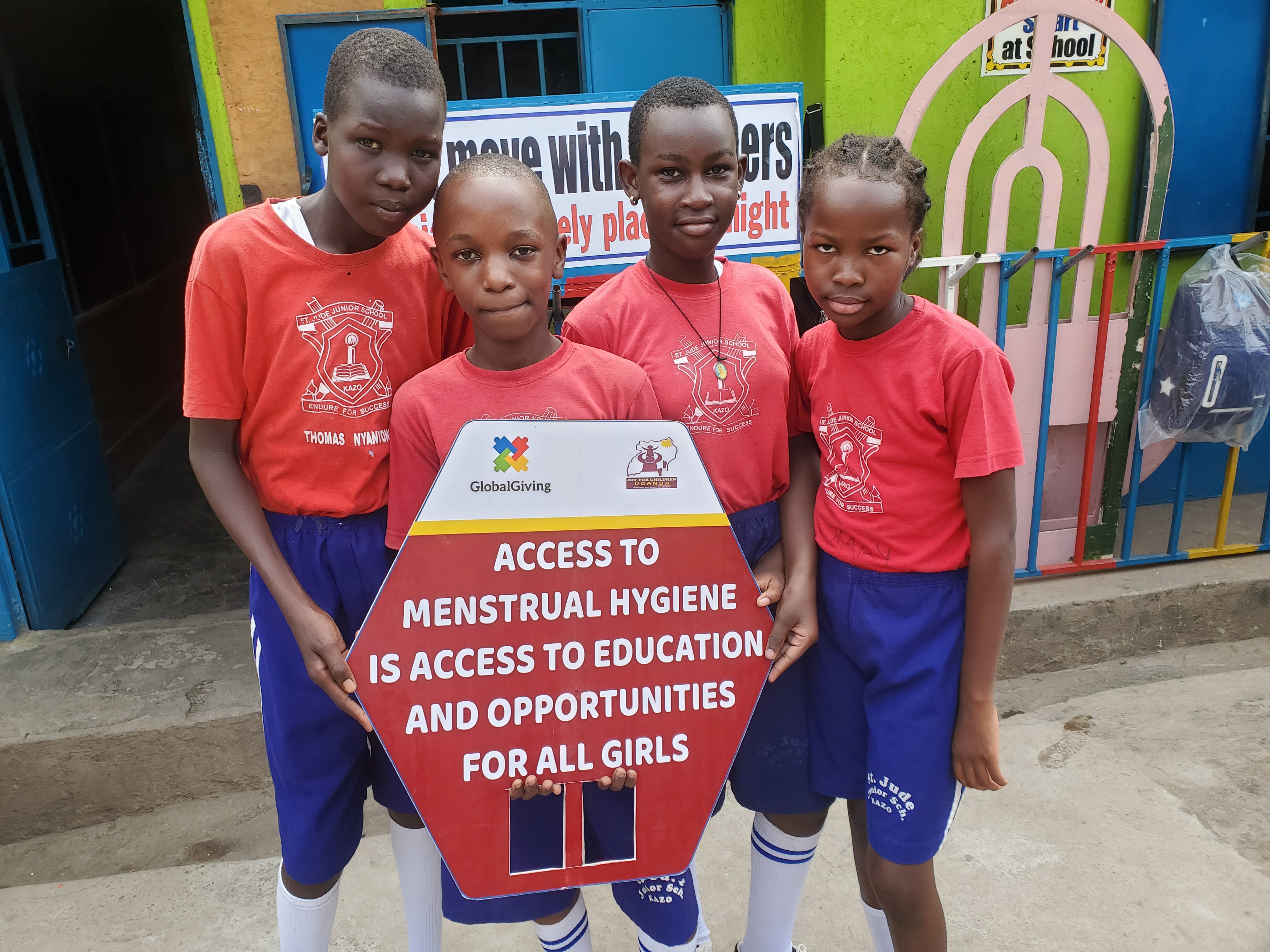
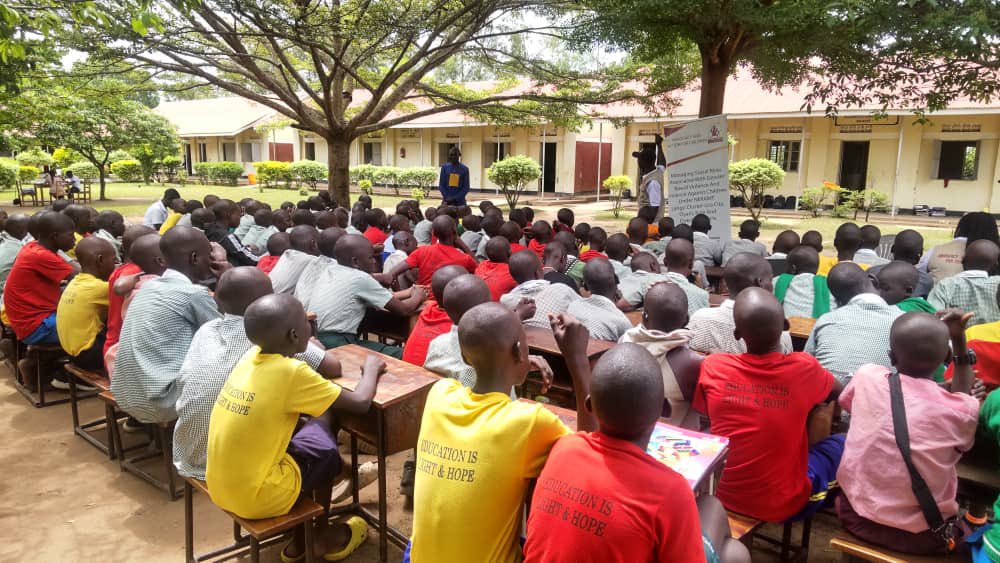
JFCU empowers children with knowledge about their right to education and the importance of staying in school. We also support children to develop life skills and confidence to report cases of violence, abuse, and other child rights violations. Peer educators and child role models are identified and trained to inspire positive behaviour and influence among their fellow learners.
Supporting Vulnerable Children to Stay in School
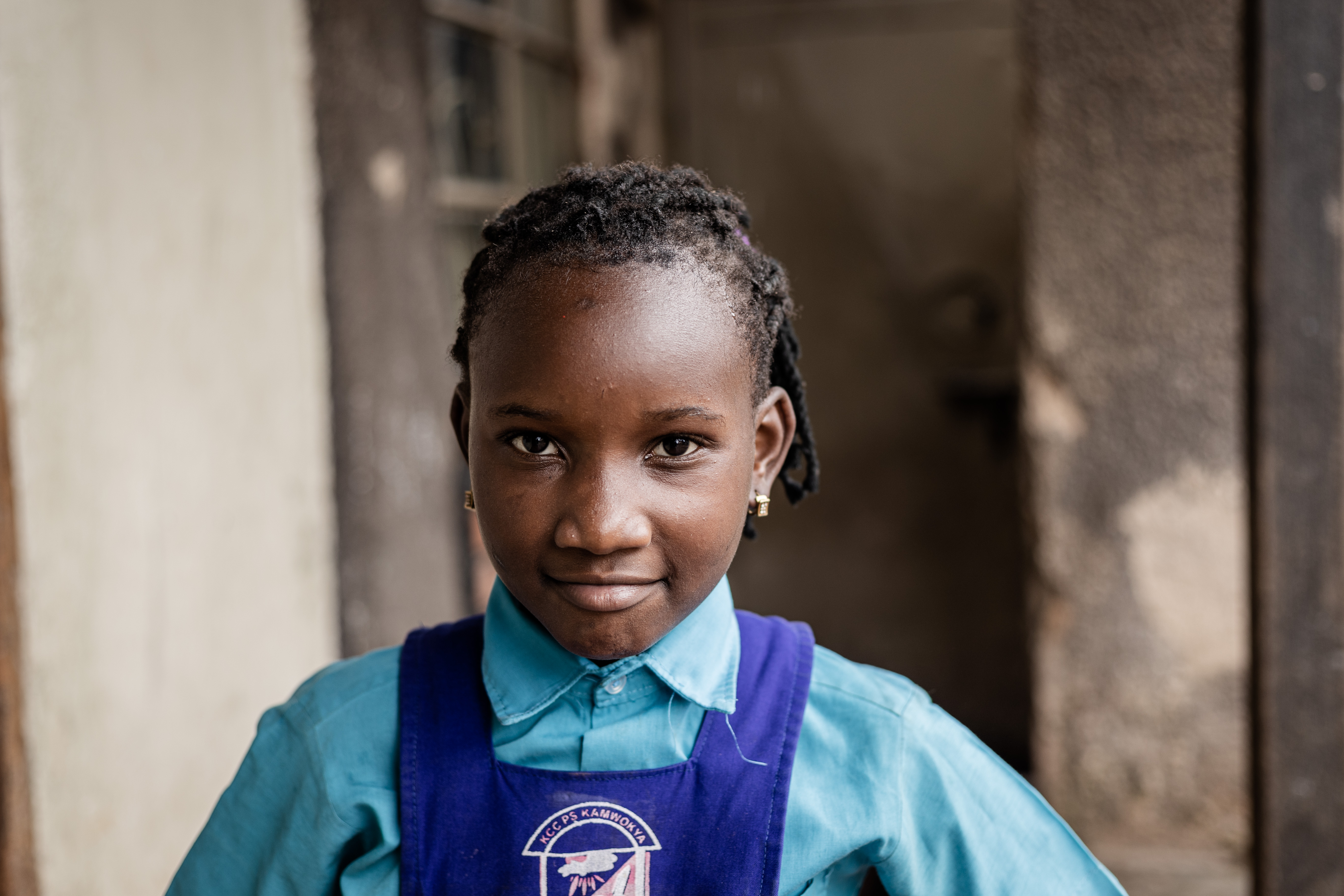
To address barriers to education, JFCU identifies children from vulnerable households and provides educational support, including school fees and scholastic materials. This enables children to remain in school and successfully complete their education.
Promoting Vocational and Skills-Based Training
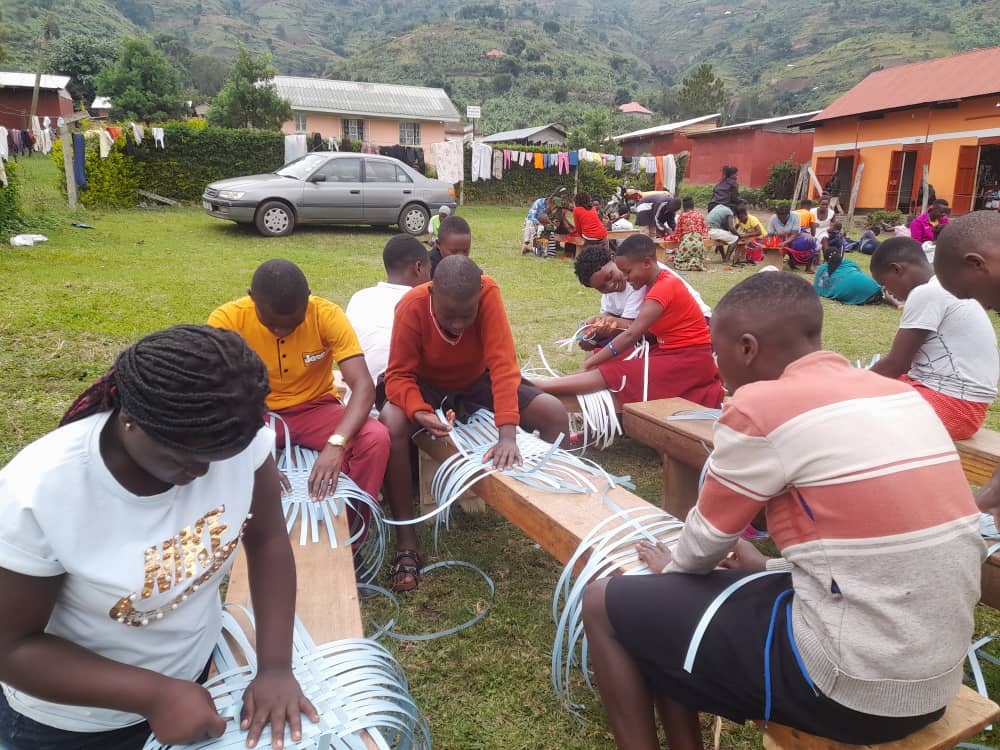
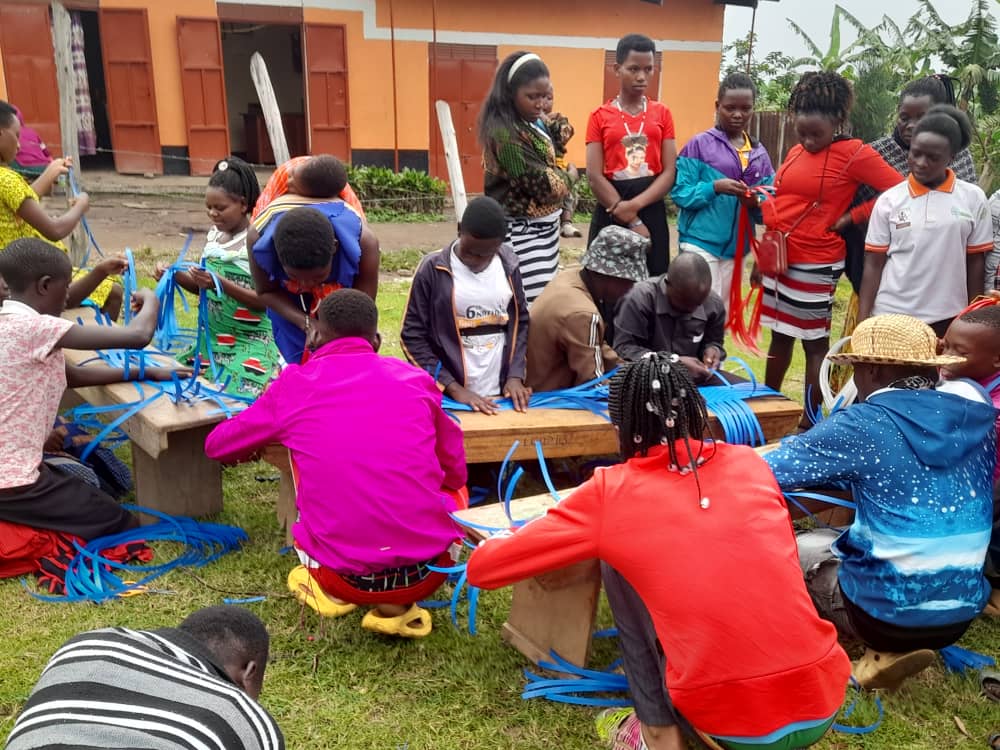
For children and young people who have dropped out of formal education, JFCU facilitates access to vocational and skills development opportunities. These programmes equip beneficiaries with practical skills that enhance their employability, self-reliance, and economic empowerment.