Assessing Uganda's National Pediatric and Adolescent HIV Strategy (2022–2026): Progress, Gaps, and the Way Forward
“A child’s survival cannot wait for a perfect health system. If our policies do not reach the mother in the village today, our targets for 2030 are just empty numbers.”
Assessing Progress Towards Ending Pediatric HIV in Uganda
As the global HIV community gathered at the International AIDS Conference to share innovations, celebrate progress, and strengthen commitments towards ending AIDS as a public health threat by 2030, national conversations remain just as important. While world leaders and health experts discuss global strategies, Joy For Children Uganda continues to reflect on its own progress in improving the lives of children and adolescents living with HIV.
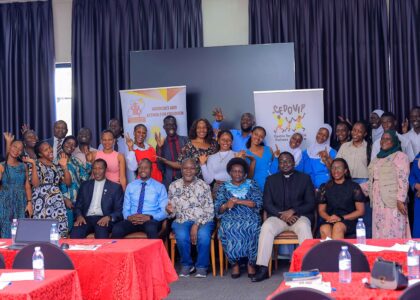
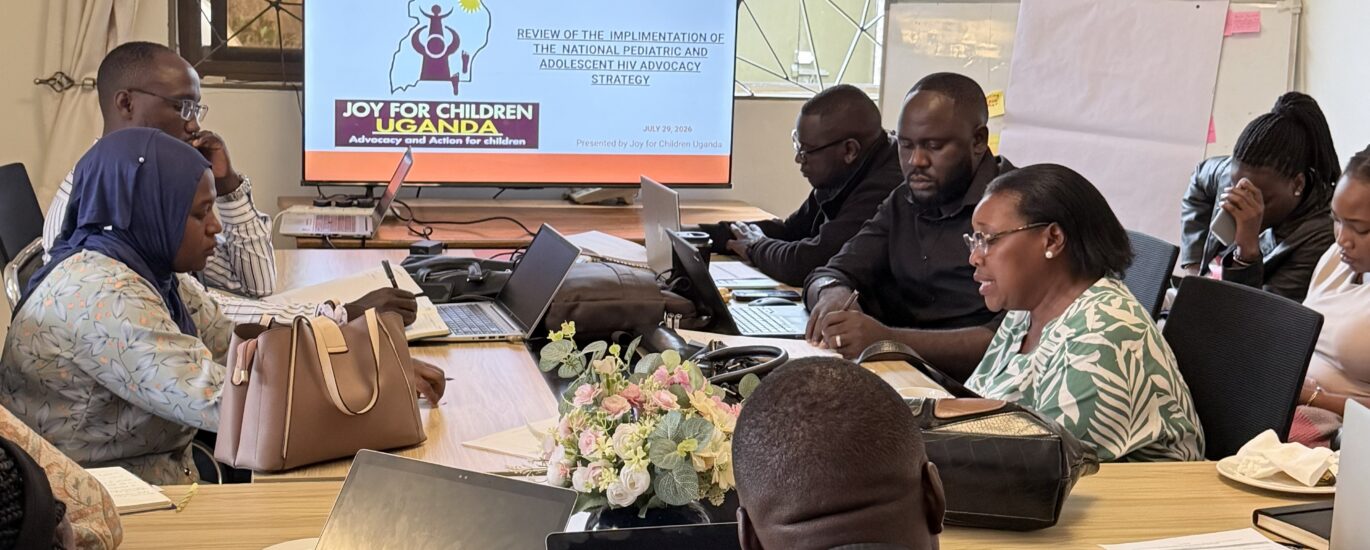
Joy for Children Uganda convened a multi-stakeholder dialogue to assess the implementation of Uganda’s National Pediatric and Adolescent HIV Advocacy Strategy and Road Map (2022–2026). The meeting created an opportunity to reflect on achievements, identify persistent challenges, and recommend priorities for the next phase of pediatric HIV advocacy.
Background
In April 2022, the Ministry of Health, in partnership with UNICEF and the Elizabeth Glaser Pediatric AIDS Foundation convened the National Pediatric HIV Advocacy Consultation Workshop. The consultation sought to identify and prioritize urgent advocacy issues needed to accelerate the elimination of pediatric HIV/AIDS by 2030.
One of the key outcomes of the consultation was the development of the National Pediatric and Adolescent HIV Advocacy Strategy and Road Map (2022–2026), launched by the Ministry of Health in October 2022. The Strategy provides a coordinated framework for advocacy aimed at improving health outcomes for children and adolescents living with HIV across Uganda.
As the Strategy reaches the end of its implementation period, an important opportunity to evaluate progress presents itself. Additionally, through evaluation, policy and resource allocation gaps will be identified, and stronger interventions that will sustain gains in pediatric HIV prevention, treatment, care, and support will be developed.
The BLOOM Project: Strengthening the HIV Response for Young Mothers and Children
Joy for Children Uganda, in collaboration with Community Health Alliance Uganda and Joy Initiatives, with support from Aidsfonds is implementing the Babies Living Optimally and Opportunely with their Mothers (BLOOM) Project across all five divisions of Kampala.
Guided by the Kids to care model which is a four-stage (Find, Test, Treat, Stay) community-based model that empowers communities to strengthen the links between them and health facilities, with the guiding principle being, “Nothing for us without us.” The project seeks to improve the health outcomes and overall wellbeing of young mothers aged 10–24 living with HIV and their children.
Since its implementation, the BLOOM Project has reached more than 300 young mothers as well as more than 130 children with life-saving HIV treatment, health information, and psychosocial support, empowering them to make informed decisions about their health and that of their children. Through strengthened linkages to care, community engagement, and advocacy, the project has contributed to improving treatment adherence, promoting early access to essential health services, and reducing barriers that prevent young mothers and their children from receiving quality HIV care.
As a whole, Uganda has made significant progress in expanding Antiretroviral Therapy (ART) coverage, reducing mother-to-child transmission, improving treatment adherence, and lowering lost to follow-up. However, important challenges remain, many young mothers continue to experience stigma, discrimination, social isolation, poverty, and economic dependence, all of which negatively affect retention in care and ultimately impact the health and wellbeing of their children.
Recognizing these realities, Joy for Children Uganda organized an advocacy meeting to assess the implementation of the National Pediatric and Adolescent HIV Advocacy Strategy and Road Map (2022–2026). The meeting brought together representatives from government institutions, healthcare facilities, civil society organizations, networks of people living with HIV, and community members to reflect on lessons learned and identify actionable recommendations for the future.
Key Discussion Highlights
The discussions focused on how best children living with HIV can be supported throughout different stages of their lives.
Dr. Tuhumwire Douglas, a Medical Officer with Kampala Capital City Authority, emphasized the importance of preparing children for the transition into adolescence and eventually adulthood. He noted that many children living with HIV grow up without fully understanding their diagnosis or the reasons behind their daily medication. As they mature, discovering their HIV status without adequate preparation can be emotionally overwhelming and negatively affect treatment adherence.
Participants agreed that children should receive age-appropriate information about HIV from an early age, enabling them to understand their health, build resilience, and make informed decisions as they grow.
Dr. Tuhumwire also highlighted persistent unprofessional practices in some schools and health facilities that continue to undermine the dignity and wellbeing of children living with HIV. Participants emphasized the need for more child-friendly, rights-based approaches in education and healthcare settings.
Salome Atim, Board Chairperson of the National Forum of People Living with HIV/AIDS Networks in Uganda (NAFOPHANU), drew attention to the structural inequalities that continue to place girls at greater risk of HIV infection. She observed that many girls are not adequately empowered to assert themselves or refuse unsafe sexual advances. As a result, many are exposed to sexual violence, exploitation, and transactional sex driven by poverty and economic vulnerability. These realities continue to contribute to the disproportionate burden of HIV among adolescent girls and young women.
In her closing remarks, Salome challenged participants to distinguish between the availability and accessibility of healthcare services. While HIV medication and treatment services are available across the country, barriers such as poverty, corruption, transport costs, discrimination, and limited information often prevent vulnerable mothers and children from accessing the care they need.
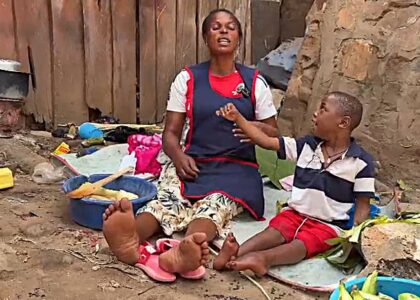
The discussion became even more powerful when one mother living with HIV shared her personal experience. Determined to protect her baby from acquiring HIV, she consistently attended antenatal care services. However, instead of receiving compassionate care, she encountered disrespect from healthcare workers, was referred from one facility to another without clear guidance, and was even asked to pay for services that should have been provided free of charge. Because of financial challenges, she sometimes delayed collecting her medication, placing both her health and her child’s wellbeing at risk.
Her testimony reflected the lived experiences of many young mothers across Uganda and emphasized why policy discussions must translate into practical action that improves people’s everyday lives.
In her remarks, Lilian Tatebwa from Uganda Aids Commission mentioned that one of the largest causes of spread in HIV cases, especially in rural parts of the country is societal norms, which then merge into cultural beliefs. Moving forward as the government there are 4 key areas Lilian highlighted that if looked into, would lead to HIV reduction by 73%;
- Mainstreaming Government and non-Government actors at local level.
- Vertical programming, which includes integration.
- Optimization of AI to target adolescents and involve them in the campaign to end HIV.
- Strengthen and extend the procurement of HIV commodities to guarantee a consistent and sustainable supply of antiretroviral medicines, HIV testing kits, viral load monitoring supplies, and other essential commodities, ensuring equitable access for all who need them.
Key Recommendations
Participants proposed several actions to strengthen Uganda’s pediatric HIV response:
- Increase government financing for HIV programmes through adequate allocation in the national budget.
- Strengthen child-centred health policies and ensure their effective implementation.
- Promote honest, age-appropriate HIV education that equips children and adolescents with accurate information instead of relying on fear or misinformation.
- Train teachers, matrons, wardens, and other school personnel to effectively support children living with HIV while addressing stigma within schools.
- Engage the media as a strategic partner in raising awareness, reducing stigma, and promoting accurate public information on pediatric HIV.
- Strengthen pediatric HIV services at community and primary healthcare levels to improve access for vulnerable families.
- Expand access to comprehensive sexual and reproductive health education as a critical strategy for HIV prevention and stigma reduction.
- Document and present the findings and recommendations from the dialogue to the Ministry of Health to inform future pediatric HIV policies and advocacy priorities.
Looking Ahead
As conversations around AIDS funding and pediatric HIV care continue internationally, Uganda’s experience reinforces an important lesson: ending pediatric HIV requires health systems that are compassionate, schools that are inclusive, communities that reject stigma, and policies that respond to the realities faced by children and young mothers.
The expiry of the National Pediatric and Adolescent HIV Advocacy Strategy and Road Map presents an opportunity to build a stronger, more inclusive roadmap that addresses existing gaps while safeguarding the rights and wellbeing of every child.
As a child rights and advocacy organization, Joy for Children Uganda remains committed to advancing policies that protect children living with HIV, eliminating HIV-related stigma, expanding equitable access to quality healthcare and treatment, and championing inclusive systems where every child has the opportunity to survive, thrive, and reach their full potential.